
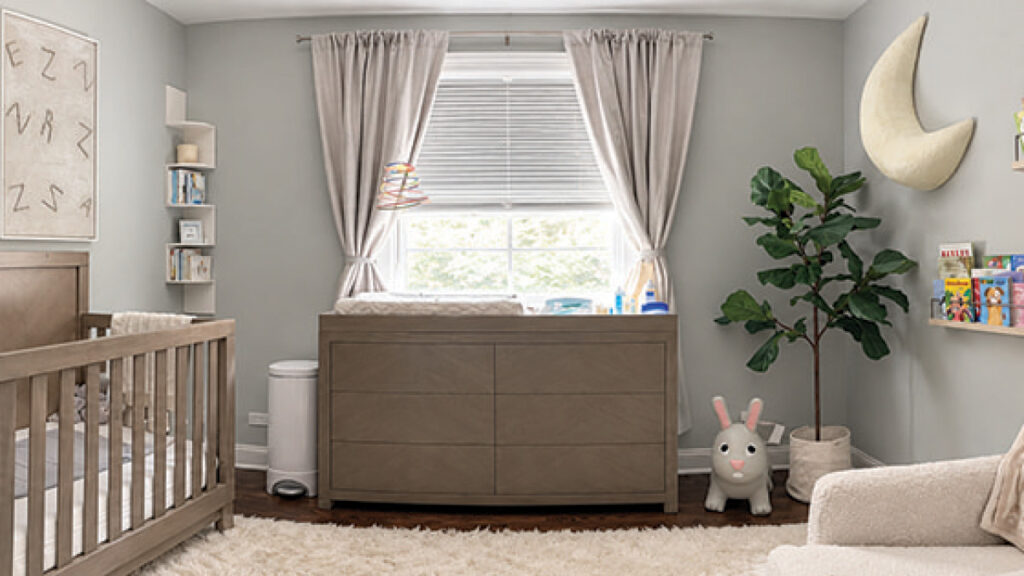
A child’s room should hold both wonder and calm. It is a place to sleep, imagine, study and retreat—a personal world that can evolve as the child does. It should do more than reflect a designer’s vision; it should help a child recognize their own ideas, interests and imagination in the space.
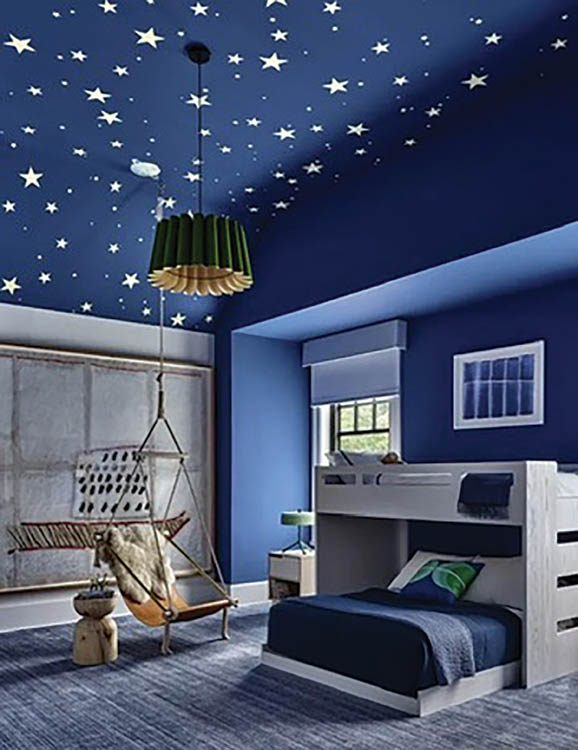
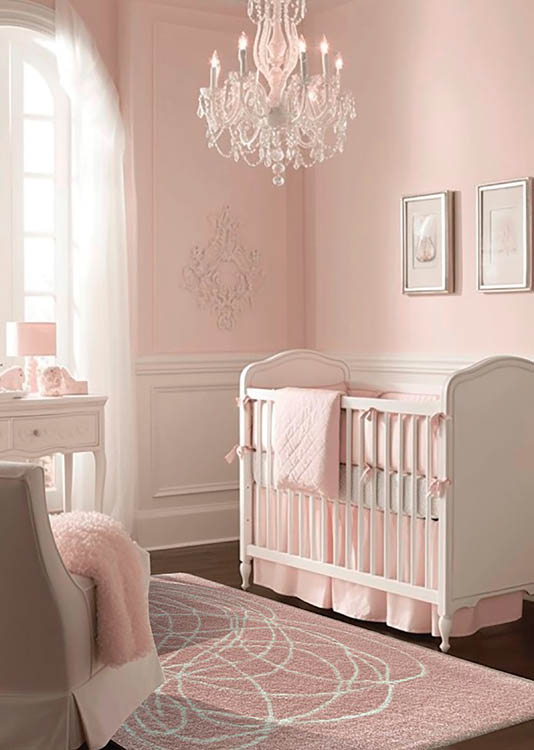
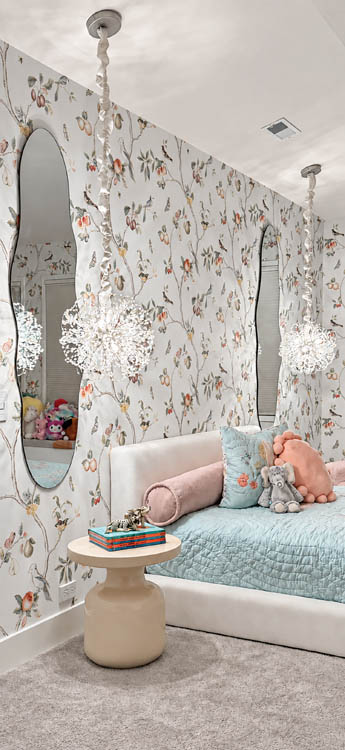
My approach begins with listening. What colors draw the child in? What do they love to look at? Where do they want to read, build, draw or work? Those answers guide the room’s palette, artwork and personal details, so it feels considered and individual.
A room that grows with a child is planned in layers. I start with comfortable, well-scaled furnishings and useful storage, then bring in personality through details that can evolve. A child may outgrow a favorite color or interest, but a thoughtful layout, a useful desk and quality furnishings can serve them through many stages.
In the rooms I design, pattern, color and texture create a sense of wonder without overwhelming the space. When choosing paint for walls, trim or ceiling, I look to a child’s interests for inspiration. A favorite color or subject can inform a nuanced palette that feels personal and can adapt over time.
Expressive wallpaper, a sculptural light, a striking piece of art or a custom rug can provide a memorable focal point. I balance that gesture with quieter surfaces and comfortable furnishings, creating a room with character that still feels restful.
Artwork is central to a child’s sense of belonging. Invite them to help choose a print, photograph or object that speaks to them, and make room for their own creations. A drawing doesn’t need to match the palette to belong. Framed or displayed on a ledge at the child’s eye level, their work becomes part of the design. As interests change, the display can change, too.
Beauty needs a practical plan. A comfortable bed supports rest; shelves and drawers keep books and belongings close at hand. As school demands growth, a well-lit desk offers a place to focus. Layered lighting supports homework and reading, then creates a softer evening mood. Clear pathways, accessible storage, safety and comfort all help the room feel more peaceful and manageable.
A standout room may include custom details, but families don’t need to recreate every element. Borrow one idea: a favorite color, a small reading nook, a special light or a thoughtful display. The memorable part is how the choices reflect the child—not how much they cost.
Faith’s Tips
- Mix price points. IKEA is useful for practical shelving and storage; Restoration Hardware offers select statement furnishings; Macy’s is a good place to shop for mattresses.
- Invest in comfort and daily-use pieces. Keep art, pillows and accessories flexible as the child grows.
- Mix pattern and texture with intention. Balance a lively element with quieter choices.
- Let children help choose the art. Display their selections alongside their own creations.
Faith Berger is a St. Louis-based artist, working in acrylic, mixed medium collage, and the co-author of It’s About Time, No. 1 on Amazon in Woman’s Survival. Visit her website at faithberger.com, find her on Instagram faithberger.art, or reach her via email at faith@faithberger.com.