
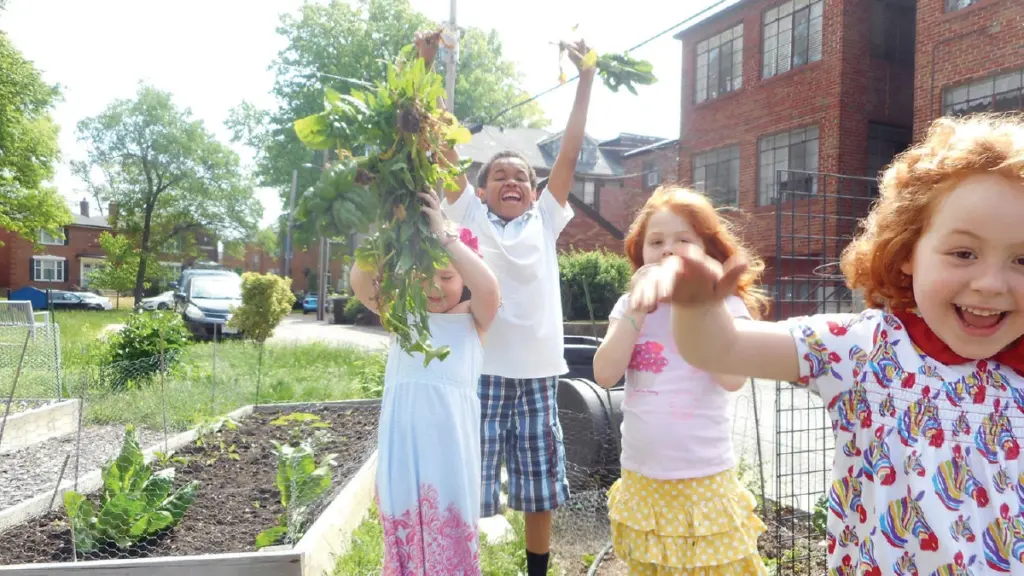

Anyone who’s eaten a tomato fresh from the vine knows how rewarding gardening can be—and those benefits only multiply when applied to a community. For more than four decades, Seed St. Louis has been engaging the community through urban agriculture, cultivating people and places to increase access to affordable fresh produce. T&S spoke with director of development Krista Chalise to learn more about the nonprofit and how it’s growing good in the region.
What is the mission of Seed St. Louis?
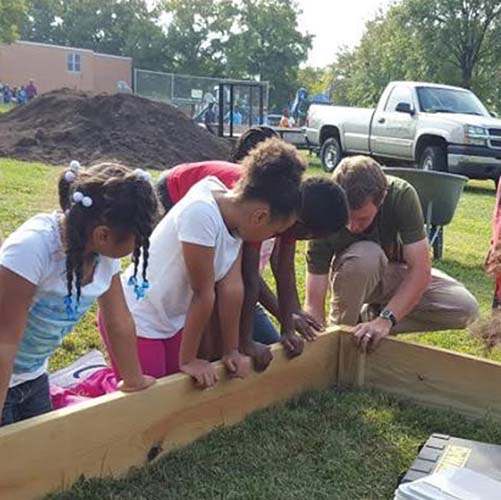
It’s simple. Our goal is to empower people and communities to grow food. To make that happen, we support a network of more than 250 community and school gardens as well as urban farms and orchards.
Where did the idea for the organization come from?
Seed St. Louis has been around for more than 40 years. Originally, we were called Gateway Greening, and the purpose was to beautify the region by taking vacant land and turning it into something vibrant and productive. Around four years ago, we became Seed St. Louis. The rebrand reflected our transition to focusing on growing food as opposed to just beautification projects.
Why is it important for students to learn about gardening and produce?
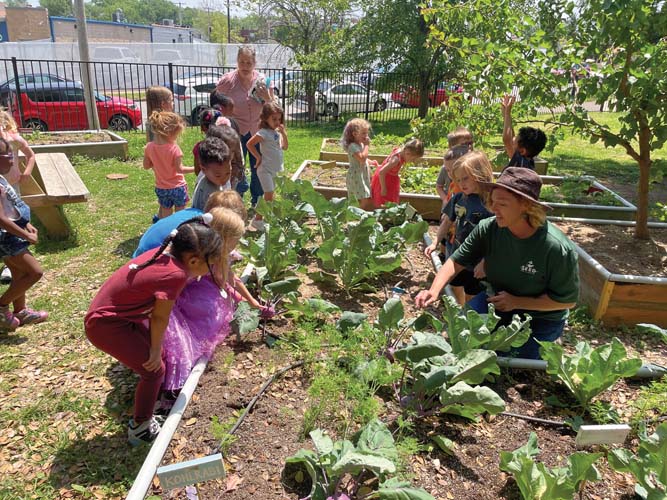
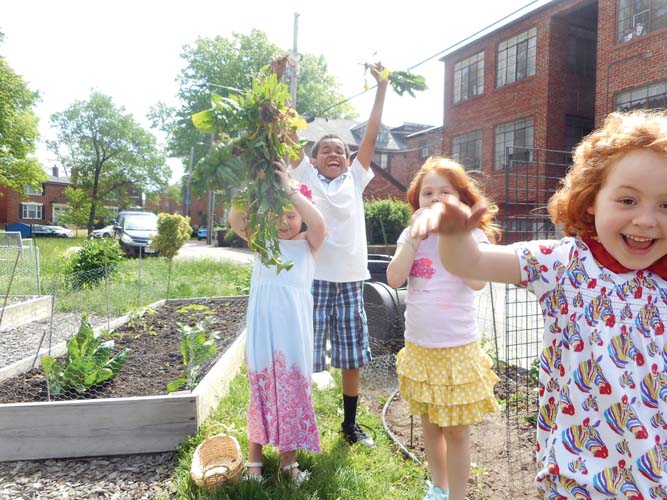
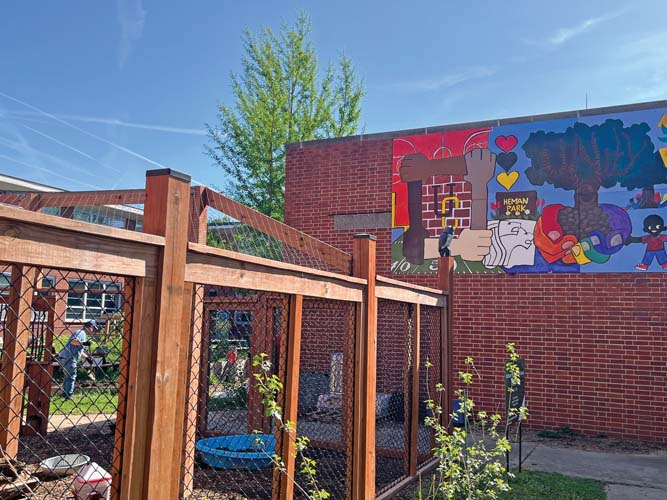
There are so many reasons, from education to food access to environmental stewardship. More than 80 of the gardens we support are in schools. Garden-based learning gets students outside and engaged in learning about fresh produce. That has big benefits for their mental and physical health. In and outside of school, a garden can be a catalyst for learning about the environment and promoting healthy eating. We also provide training and professional development for teachers as well as hands-on support in the garden. Our programs connect well to STEM curriculum and standardized testing while offering teachers a resource to get students involved in hands-on learning.
What are the benefits of community gardens?
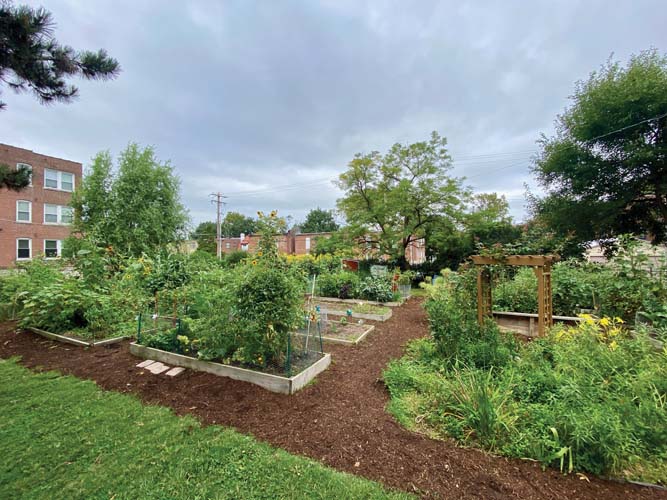
Many of our community gardens are run by residents and community partners like nonprofits and religious institutions. While we do not operate the gardens, we help people get started, provide volunteers to help with major planting and harvesting days, and offer the knowledge and support needed to navigate the process. It’s really amazing to see each garden build its capacity and impact its neighborhood. A garden can help fight food insecurity and create community. It can be especially beneficial for older adults, who may be dealing with isolation or not have access to transportation to visit a grocery store. A lot of connection and empowerment happens in a community garden.
How can people support Seed St. Louis?
There are a lot of ways. With a $25 donation, we can get a fruit tree, which in a few years will provide food, offer tree canopy and remediate the soil. Donations also support our programs, including building garden beds, providing seeds and offering online educational classes. We can also use volunteers who want to get their hands dirty and learn how to grow food.
What is next for Seed St. Louis?
We have a demonstration garden in the Central West End. It’s a space for growing food and crop experimentation, and it’s home to bats, chickens, bees and more. It’s exciting to serve as a hub for urban agriculture, especially since the neighborhood experienced storm damage in May. We’re looking forward to exciting things happening with that space. Urban agriculture is something we should be cultivating locally. It provides access to nutritious food, builds essential skills and creates beautiful green spaces. It’s critical to the health of our community and the health of the land.
For more information, visit seedstl.org.
Photos coutesy of Seed St. Louis