
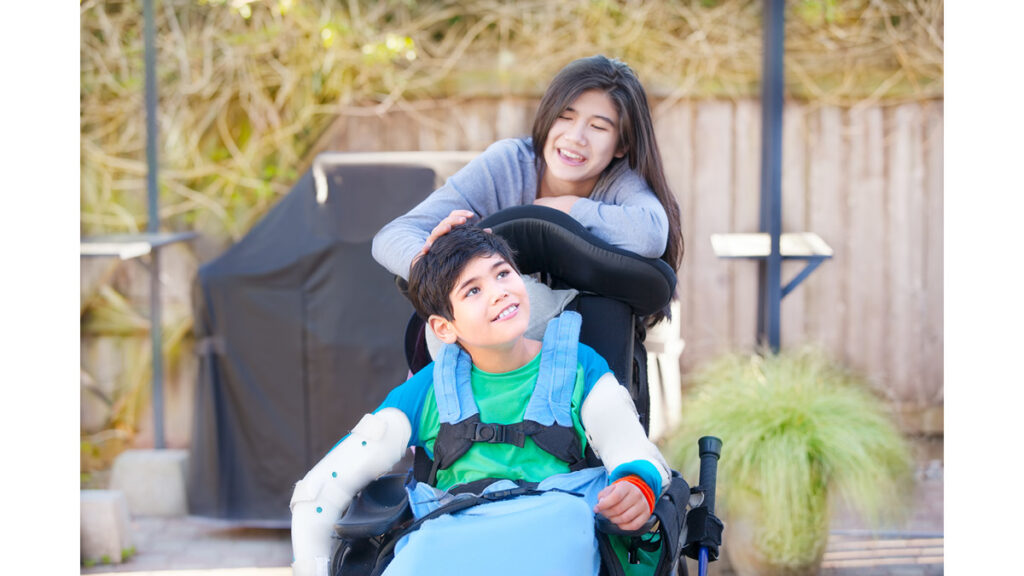
Chandler, a 7 year old, was brought to see me because of her increasing meltdowns and because she was becoming physical with her 12-year-old sister who has Down Syndrome. Despite her parents’ repeated attempts to explain that her sister struggled with understanding boundaries due to her condition, Chandler remained frustrated. When we spoke privately, away from her parents, she broke down in tears, sharing the immense difficulty of living with a sibling who has special needs.
At 17, Lucy has adopted the role of a caretaker, becoming the primary support system for friends struggling with mental health, often staying awake until 2 a.m. to counsel those dealing with depression or suicidal thoughts. Her own upbringing was shaped by an older sister’s long battle with an eating disorder and depression, which consumed most of her parents’ energy. Observing her parents’ exhaustion and stress, Lucy concluded that her own “minor” issues weren’t worth adding to their burden. Fearing she might push her parents to a breaking point, she suppressed her emotions and attempted to handle everything herself. Consequently, she developed the damaging belief that her own needs were secondary to others—or that she shouldn’t have needs at all.
In households focused on a child with significant requirements, it is quite easy to overlook the other siblings who seem to be fine. These kids too often suffer alone, suppressing their emotions. Resentment builds internally, and they often ask themselves this question: “What about me?” Let me offer some suggestions for how to deal with the siblings of kids with high needs.
Make sure you have a lot of one-on-one time with them, especially out of the home. This communicates the message that they too are important, as well as their needs. It’s best to have time out of the home so they won’t be interrupted by the sibling’s requirements.
Ask how their sibling’s issues are affecting them. This might include parent’s time and attention, dealing with kids at school who make fun of that sibling, and worries they may have about their sibling’s condition.
Teach them to ask for what they need and reassure them that you can handle their concerns. Teach them that reaching out for help does not mean they are selfish. Check in with them regularly by asking how you can support them. Tell them that you love how empathetic and caring they are, but it is equally important to also take care of themselves to avoid becoming depleted and empty.
Give enough information so that they understands what’s going on and don’t ruminate on worst case stories that aren’t true. And make sure they knows it’s not their fault.
Parents can model taking care of themselves and acknowledge their children when they do too. Relate that it’s also hard for you at times.
Many people in the helping professions have stories about taking care of parents, siblings or grandparents during their childhoods; it sensitizes them to the needs of others. These kids often develop high levels of empathy. A high school senior I counseled years ago had a brother with severe autism. She was sensitive to the underdogs in her school, motivating her to create a special prom for kids in her district with special needs. She glowed as she showed me photos of them all dressed up at the dance.
Make sure you regularly check in with the siblings of your high needs child. Encourage them to be honest about all of their feelings and to find healthy expressions for them. Teach them to ask for what they need and to know that their needs are just as valid and important as their sibling’s needs. That way they will reap the benefits of growing up with a sibling with special needs and avoid the pitfalls.
Tim Jordan, M.D., is a Behavioral Pediatrician who counsels girls aged grade school thru college. Listen to his weekly podcast, Raising Daughters, to gain information on raising strong, resilient girls. For more info on Dr. Jordan’s retreats, summer camps and books visit drtimjordan.com.