
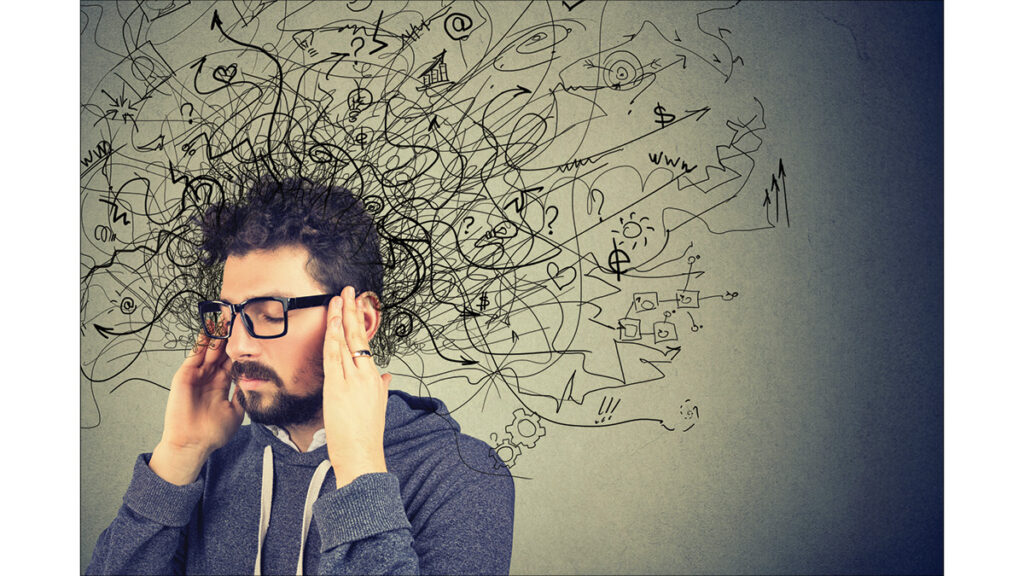
Have you ever been in a situation where it felt like there was just too much going on? Maybe it was the thunderous sound of a concert, the overpowering smells of a perfume counter or the blinking of countless lights during the holidays. It made you feel anxious, stressed and overwhelmed, and you might not be exactly sure why. That’s sensory overload.
What is sensory overload?
Also known as overstimulation, it occurs when the brain gets too much input at once. This can make it difficult to focus, think and stay calm. It can be triggered by input from any sense or multiple senses at once. Overstimulation is a physiological response from your sympathetic nervous system, alerting you that something is unusual or not right.
What are common sources of sensory overload?
As the name implies, sensory overload can be triggered by many different sensations. The impact is highly individualized. What overstimulates you may have no effect on the person next to you.
- Sound: Loud and persistent noises like a concert or a lot of people talking at once often can make people feel overstimulated.
- Sight: Bright, busy or moving environments are a major source of sensory overload. Overstimulation based on sight can make it feel like you don’t know where to look or what to focus on. Flashing lights can also make you feel this way.
- Smell: Perfumes and cleaning supplies are two common scents that people find overpowering.
- Touch: A common form of touch-related sensory overload is how fabrics feel. A scratchy fabric may make you feel overstimulated, and the same is true of tight or uncomfortable clothes.
- Taste: The scent, texture and heat may make you feel sensory overload. Overstimulation can occur if you are eating something new or very spicy.
How do you identify that you are overstimulated?
Physical symptoms may include head and body aches, tense muscles, dizziness, shaking, a flushed face, sweating and tightness in your chest. It also will impact your mental health. If you are experiencing sensory overload, you may feel:
- Irritated and easily annoyed: If you overstimulated, even small things that normally wouldn’t impact you, can leave you feeling aggravated and upset.
- Anxious: Sensory overload may make you feel restless or panicked.
- Unfocused: You may experience difficulties concentrating or making decisions. Your brain may feel foggy, causing you to struggle to recollect information.
- Emotionally drained: Overstimulation may leave you feeling drained. You might find yourself feeling more sensitive or crying more easily without fully understanding the cause.
Is overstimulation different for kids?
The causes of sensory overload are the same for kids as adults, but the impact can look different. Children may not have the words to explain what they’re feeling, but it will still affect how they behave. An overstimulated child might:
- Cover their ears around noise
- Meltdown in busy environments
- Avoid certain clothing or textures
- Become overwhelmed in new places
- Seem more sensitive than their peers
How can you manage sensory overload?
If sensory overload hits, you can take steps to calm down in the moment.
- Find a quiet space. Remove yourself from whatever is overstimulating you, at least temporarily. If you want to prevent sensory overload again, consider planning on periodic breaks.
- Do deep breathing exercises. Taking slow deep breaths can help both your mind and body relax.
- Limit sensory input. Try using earplugs or noise-cancelling headphones, dimming the lights and putting away your phone or other sources of distraction until you’ve calmed down.
- Ground yourself. Remind yourself you are safe. Sensory overload is a panic response. Reminding yourself that there is no danger can help mediate the impact.
Are there ways to avoid overstimulation?
You can take steps to prevent the impact of sensory overload.
- Identify your triggers. Pay attention to when you feel overstimulated. This will help you determine what causes it, so you work on addressing your reaction to specific triggers. For example, if you find yourself getting overstimulated at large concerts, you can try opting for smaller venues, choosing seats away from the stage or bringing earplugs.
- Stick to routines. A regular schedule can help you avoid surprises and stress.
- Practice coping strategies. Knowing how to self-soothe can help you overcome sensory overload. In the midst of overstimulation, even simple behaviors like taking a deep breath can be difficult. Practicing outside the context of being overwhelmed can better equip you to use these strategies when they’re needed most.
- Seek help if needed. If you find that sensory overload happens often or you can’t control it when it happens, you may want to speak with a medical provider. It may be especially useful to meet with a therapist or other mental health provider.
Sources: Healthline, Henry Ford Health, Mayo Clinic