
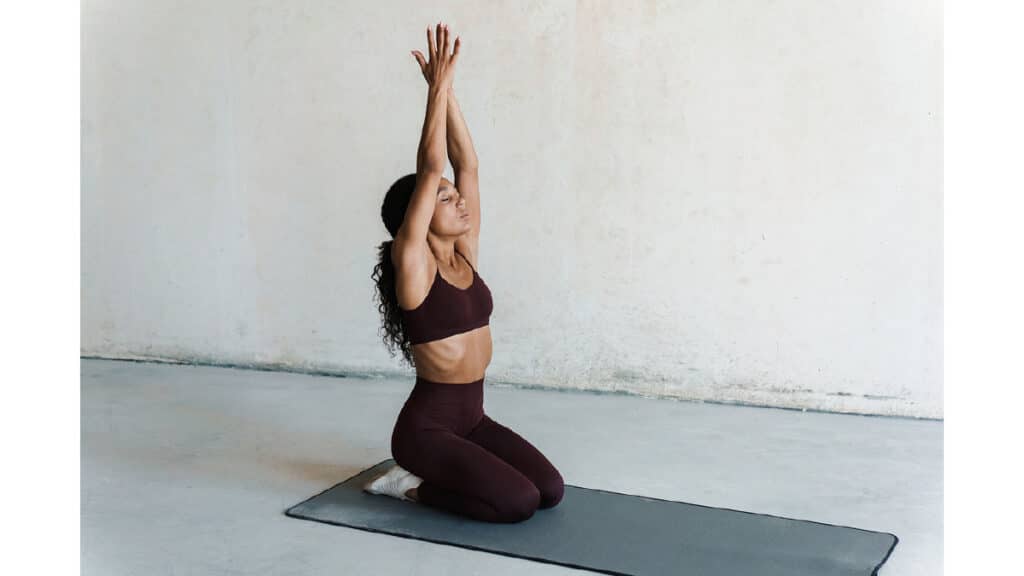
August is National Wellness Awareness Month. It’s a time to shine a light on self-care, stress management and building healthy routines. If you’re looking to make change for the better, now is a great opportunity.
STRESS LESS
None of us are strangers to stress. While it may be impossible to completely avoid it, research shows that long-term or chronic stress can impact the body in devastating ways—both mental and physical. A few little tweaks to your daily routine can help you manage stress more successfuly.
Take time for activities you enjoy. Even if it’s only for 10 or 15 minutes, doing something simple that makes you feel good can help relieve stress. Play with your kids or pets, catch up with a friend, stretch and move, garden or read a book.
Get active. No matter your athletic prowess, physical activity can be a stress reliever. It gets feel-good endorphins pumping along with other neural chemicals that boost your sense of well-being. Exercise also can help refocus your mind off of stressful situations.
Eat better. When we’re stressed, we may crave junk food or other comfort dishes. This can actually heighten the negative side effects of stress because our bodies are working overtime, so we need more nutritious food to meet the demand. Avoid stress eating and try to maintain a healthy diet of regular meals.
Defuse your stress in the moment. When faced with a stressful situation, take steps to calm yourself down. Try counting to 10, listening to chill music, taking three deep breaths using belly breathing or walking away from the situation for a while.
BUILD A BETTER ROUTINE
Be Flexible
Set firm, realistic goals to achieve. However, also give yourself some wiggle room. If your goal is to be more involved in the community, try fitting regular volunteering into your weekly schedule, but if you find it conflicts with other commitments, don’t be afraid to adjust. Weekly volunteering may not work, but scaling back to once or twice a month may be manageable. If you’re forgiving and flexible, it will mean less disappointment and frustration down the line. It’s also better than completely throwing out a new habit at the first setback.
Know the Challenges
Knowing what might get in your way can help you be more successful. Challenges might be physical or emotional. Proper planning will prepare you to overcome whatever may stand in your way. For example, if you want to quit smoking, research possible setbacks and how long it usually takes to kick the habit.
Track Your Progress
It can be easy to set a goal and then forget about it as life gets busy. Keeping track of your progress can help keep you focused. You can journal or use an app to follow any fitness or food-based lifestyle changes. On days when you’re struggling, it can be helpful to look back over how you’ve done and motivate you to keep going.
Get Support from Others
According to experts, social support is one of the top predictors in building a new routine. A goal set as a group may be more likely to succeed since you’re accountable to someone else. You also can find support from a professional like a health coach to help keep you on track and motivated.
5 WAYS TO PUT YOUR WELLNESS FIRST
- Start a journal. There may be a stereotype of journaling as juvenile, but the reality is it’s not just a place for teens to gush about crushes. A journal is a mental health tool. It allows an outlet for self expression and the exploration of emotion. Research shows that journaling can help manage anxiety, reduce stress, improve mood and allow you to identify and find solutions to problems. It can also help you sleep better. Write down what’s on your mind before bed and then set it aside for the next day.
- Pick up a sport. You don’t need us to tell you that physical activity is good for you. Regular exercise can prevent disease, improve mental health, support cognitive function and much more. Regular physical activity doesn’t have to mean just hitting the gym. Starting a sport can ignite your passion and offer opportunities for social engagement. Rock climbing, yoga, Pilates and, of course, pickleball are all popular options.
- Make time for friends. As adults, making new friends and maintaining older relationships can be difficult. There is just so much to balance in life, that socializing is often put on the back burner. However, social connection has big health benefits. It helps fight off cognitive decline, improves mental health and reduces stress.
- Get creative. Creative expression has been shown to have a positive impact on your mental health. Painting, drawing and crafting all are great ways to positively engage your mind. Participating in art classes or shows increases socialization while reducing stress, anxiety and depression. Art also has been linked to better cognitive function and memory. The visual arts aren’t the only way to get creative. Theater, dance and writing have been shown to have similar benefits.
- Talk with your health care provider. If you want to make changes to improve your physical and mental well-being, your doctor, therapist or other health care providers are invaluable resources. Take the time to consult with professionals who can help you take a holistic look at your lifestyle. They can help you incorporate good habits for a long and healthy life.
Sources: Harvard Health, Mayo Clinic, National Institutes of Health