
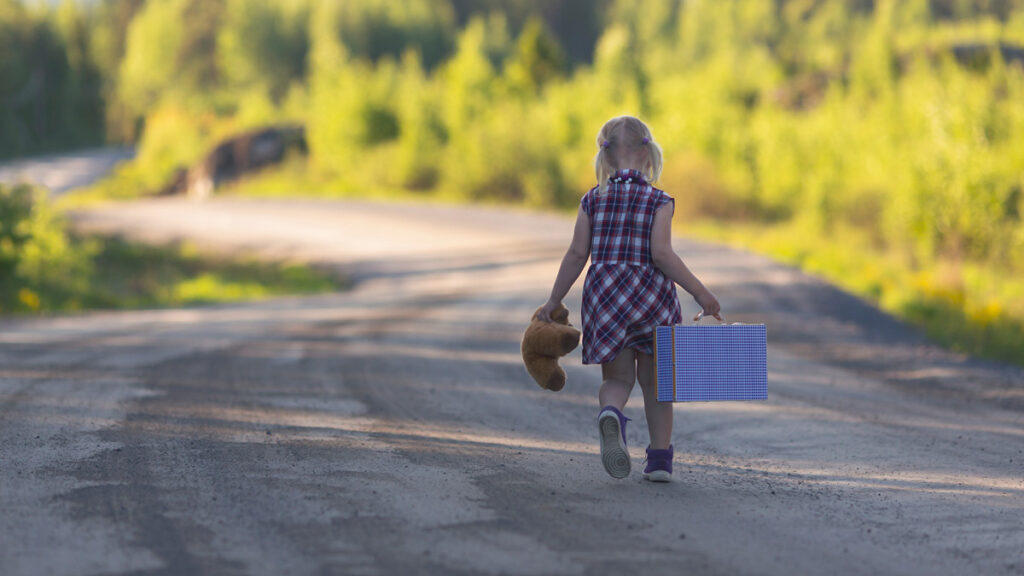
Natalia, a 7-year-old, came to see me in my counseling practice because she had run away three times in the past few weeks, and her parents couldn’t get her to explain why. When I spoke to her alone, she described through tears how much time her parents were spending with her 2-year-old sister and how she had been feeling sad, angry and left out. When I asked her why she’d run away, she answered, “I thought that maybe if I ran away then my parents would love me more.”
Jakaela came to see me because of recent anxiety and panic attacks. She shared how stressed out everyone at home was due to her older sister Ava’s struggles with drug addiction. Everyone walked on eggshells around Ava to avoid setting her off on one of her frequent rages. Jakaela was very independent and had grown up fast due to her family’s struggles, but when I asked her how she felt about her situation she said, “What about me and my needs? It’s always been about Ava, but I need support too!”
Girls today are still being conditioned to be “good girls” who are supposed to be selfless and passive. They also are left to grapple with mixed messages: Take care of yourself but put others’ needs first. The result is difficulty asking for what they want, expressing their needs and even knowing that they deserve to have needs. For many young people and especially girls, their concerns and needs are diminished with phrases like: you’re too sensitive, don’t be so dramatic, or be patient and it will get better. The following are suggestions about how to respond when your children come to you with complaints about being left out.
- Always listen, mirror back what you heard, try to see the situation from their point of view, validate their feelings, and tell them you are glad they felt safe telling you.
- Let them know that no matter how busy and stressed you are, that you are still there for them. You can provide the love and support that they need.
- Teach them to express their feelings and ask for what they want: “I’ve been feeling left out a lot lately and want some special time with you.”
- Brainstorm ways you could create time with each other. Jakaela shared through tears that she wished her dad would tuck her in at night. Time together could look like taking walks, going to breakfast before school or tuck-in’s at bedtime.
- Spend more special time with them without them having to ask.
- Let them know that no matter what’s going on at home that their needs are important too. You may not be able to drop everything in that moment, but you can acknowledge their needs and let them know when you can spend time together.
Learning to express feelings and needs with you will prepare your children to do the same with friends and romantic partners. Don’t leave them to grapple with unhealthy conditioning on their own. Even the strongest, most independent and competent amongst us has a need for love and support.
Tim Jordan, M.D., is a Behavioral Pediatrician who counsels girls aged grade school thru college. Listen to his weekly podcast, Raising Daughters, to gain information on raising strong, resilient girls. For more info on Dr. Jordan’s retreats, summer camps and books visit drtimjordan.com.