
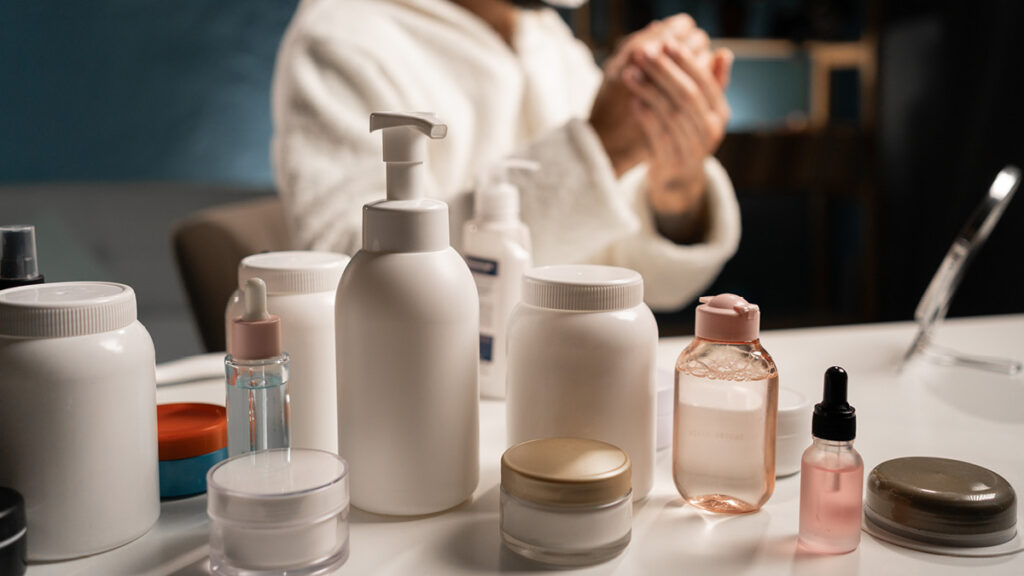
Trendy products and ingredients come and go, but real advancements in skin care come from scientific understanding through years of research. In 2026, science is at the center of emerging beauty trends. Caring for your skin is all about creating smarter routines with a better understanding of what your skin needs.
Focus on Menopause
Menopause and perimenopause come with their own skin care concerns, and you can expect to see more brands creating products specifically designed to address them. As hormone levels change, skin can become dry, slack and thin, and hyperpigmentation and bruising also becomes more common. One way to help address this concern is using estriol creams, which contain a weaker form of estrogen. While research is still determining their effectiveness, in theory, these products could improve discoloring, dryness, thinning and loss of elasticity because the skin is an estrogen-sensitive organ.
If you are concerned about the impact of menopause on your skin, specialized products aren’t the only solution. The American Academy of Dermatology suggests taking these steps to address menopause-related skin concerns:
Sun Spots and Hyperpigmentation
- Regularly apply, especially before going outside. This can stop new spots from forming and help old spots fade.
- Do regular self checks to check for new sun spots or marks. Your risk of skin cancer increases with age, so keep vigilant.
- Make an appointment with a dermatologist. If you apply a dark spot treatment on skin cancer, it can cause it to fade and ultimately delay treatment. Before targeting sun spots and other blemishes, consult with a professional.
Dry Skin
- Use a mild cleanser to wash your face. Also avoid washing your face with just soap, as it can be too drying for mature skin.
- Apply moisturizer throughout the day. Products that include hyaluronic acid or glycerin can be especially beneficial.
- Consider exfoliation or dermabrasion. You may want to consult a dermatologist before doing so because your skin will be thinner now, and these treatments could do more harm than good.
Wrinkles and Slack Skin
- Protect your skin from the sun.
- Use products that contain retinol or peptides because they can help increase collagen production.
Probiotics, Prebiotics & Postbiotics
Probiotics are known to keep your gut microbiome balanced, providing big health benefits. But these helpful bacteria aren’t just important for your stomach. Keeping your gut healthy is good for your skin because it means less inflammation, which leads to fewer breakouts and eczema flares. Ecosystems of bacteria also reside on your skin, and the good ones can form a natural barrier against bad bacteria, balance your skin’s pH levels and reduce inflammation. But using harsh cleansers on your face can strip the area of these healthy bacteria, leaving it dry and vulnerable to damage and breakouts. To combat this, skin care brands are now incorporating probiotics, prebiotics and postbiotics into their products.
- Probiotics: Microorganisms that are similar to the naturally occurring bacteria in your body. Products that include these introduce new live cultures to bolster the number of good bacteria on your skin.
- Prebiotics: Compounds that support the vitality of good bacteria in your body. Products with these essentially feed the bacteria that is already on your skin.
- Postbiotics: These are by-products of the bacteria’s functions, such as enzymes, peptides and organic acids. These ingredients fight acne and infections and kickstart your skin’s healing process without the need for an instigating injury.
Beauty & Neuroscience
“Neurocosmetics” explores the connection between the brain and the skin. Because the skin is linked to the central nervous system it’s considered a living sensory organ. Do you find that you break out more when experiencing stress? Well, the stress axis of the central nervous system also is found in the skin, and the skin and brain share the same neuromediators. Hormones produced in the brain, such as cortisol, impact the skin, including causing acne. Neurocosmetics is focused on improving skin health by influencing that connection to the nervous system. This includes modulating the levels of certain neuromediators as well as using sensory perceptions like the calming impact of applying lotion or using a face mist.
Choose “Skinimalism”
An intensive 10-step skin care routine not for you? Also called “skip care” in the K-beauty world, this approach pares down the process by using only two or three multiuse products. It goes hand and hand with “skin fasting,” which refers to reducing or forgoing your regular routine for a set amount of time to let your skin reset. With fewer products, you have to worry less about irritating ingredients, closed pores and sensitivity, which can improve the skin’s barrier.
If you’re looking to start a simple skin care routine, the Cleveland Clinic recommends:
- Sunscreen
- A mild cleanser in the morning and at night
- Moisturizer in the evening
Sources: Allure, American Academy of Dermatology, Cleveland Clinic