

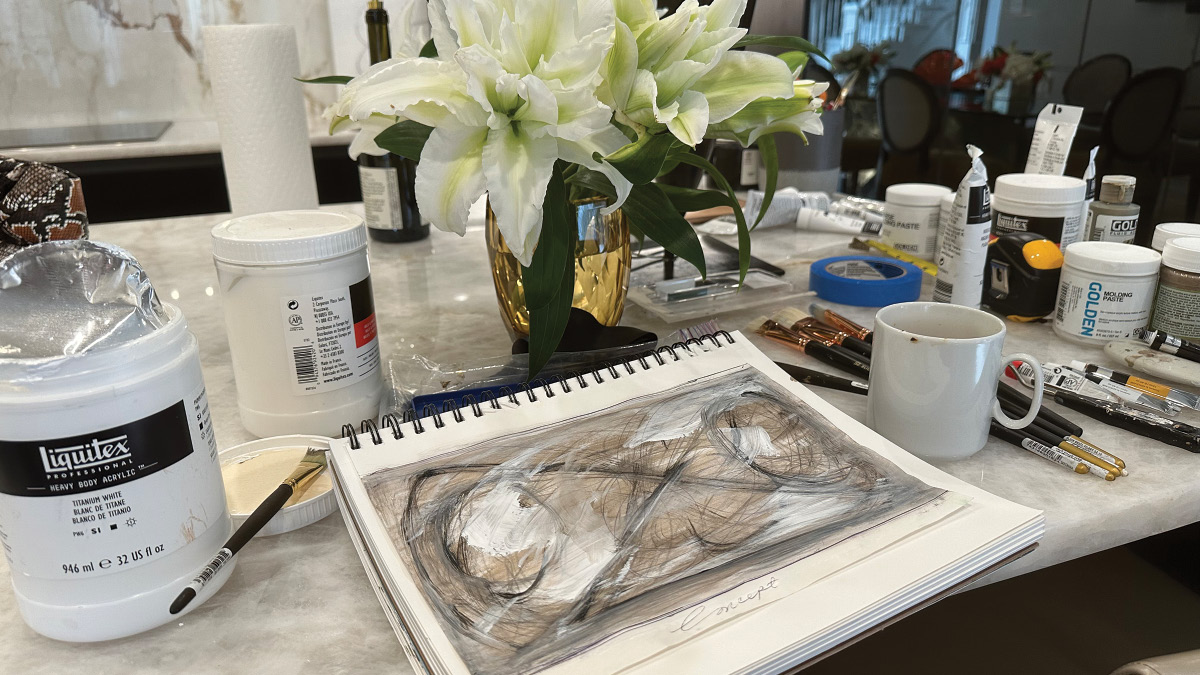
Technology can make the design process more efficient. Only people can make it meaningful. Artificial intelligence is changing the way we design—and I believe that’s a good thing. In fact, I use AI nearly every day.
It has become an invaluable assistant in my design studio, helping me organize my thoughts, compare materials, research products, solve technical questions and communicate concepts more efficiently. It frees me to spend more time listening, imagining and creating original environments uniquely tailored to the way my clients live.
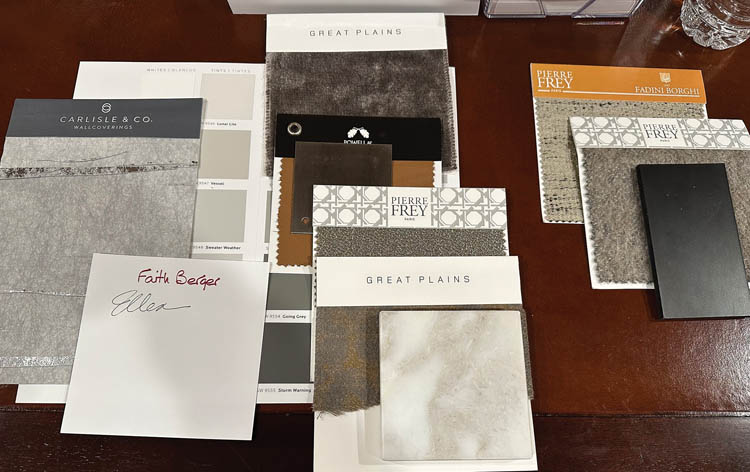
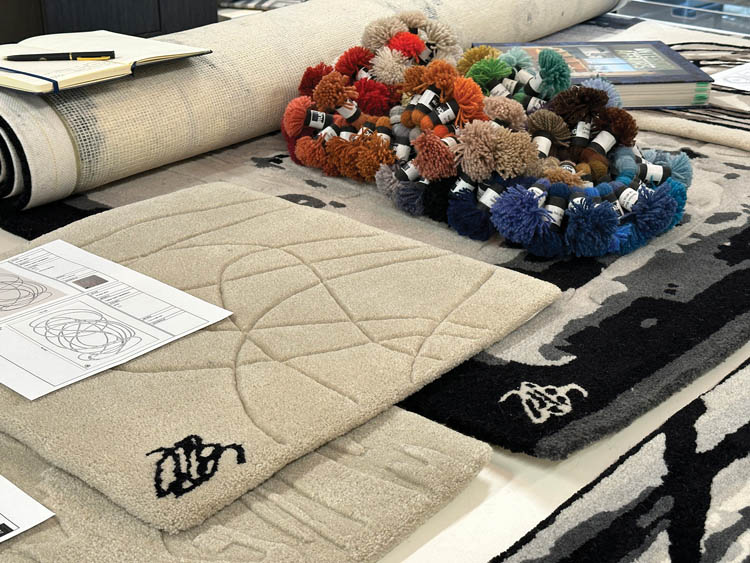
But here’s the distinction. AI is my assistant. It is not my designer. Today, homeowners are uploading photographs of their rooms and asking AI to redesign them. It’s an exciting way to explore possibilities and visualize ideas.
But a beautiful rendering is not the same as a successful design. AI doesn’t know how morning light transforms a room, whether traffic flow works, if furnishings are properly scaled or how a family naturally lives within a space. AI gives answers. Designers ask better questions.
Every project begins with a conversation and a sketch. Before selecting a single finish, I want to understand how my clients live. Those conversations shape every design decision that follows. Artificial intelligence builds upon what already exists. It studies millions of images and completed projects, then creates new combinations from recognizable patterns. The results can be beautiful—but many begin to feel remarkably alike.
Another quality AI can’t replicate is discovery. Designers spend years cultivating relationships with artisans, galleries, craftspeople and trusted vendors. We search stone yards for extraordinary marble and quartzite, discover beautifully figured woods, source artful furnishings and curate original artwork that gives a home its identity. AI can search a database. Designers search the world.
The future of design isn’t about choosing between people and technology. It’s about using each for what it does best. Technology can make the design process more efficient. Only people can make it meaningful.
Faith’s Design Tips
- Use AI as a creative partner—not your designer. Let it organize ideas, compare products and visualize possibilities.
- Start with your lifestyle. Before choosing finishes or furnishings, define how you want your home to function and feel.
- Question every AI suggestion. Ask whether the layout truly works, the scale is correct and the materials fit your architecture.
- Look beyond the screen. Visit stone yards, showrooms, galleries and local artisans. Great design comes from discovery as much as inspiration.
- Invest in timeless elements. Natural stone, beautifully figured woods, handcrafted furnishings and original artwork bring depth and authenticity that trends can’t replicate.
- Remember that the best rooms tell your story—not AI’s.
Faith Berger is a St. Louis-based artist, working in acrylic, mixed medium collage, and the co-author of It’s About Time, No. 1 on Amazon in Woman’s Survival. Visit her website at faithberger.com, find her on Instagram faithberger.art, or reach her via email at faith@faithberger.com.