
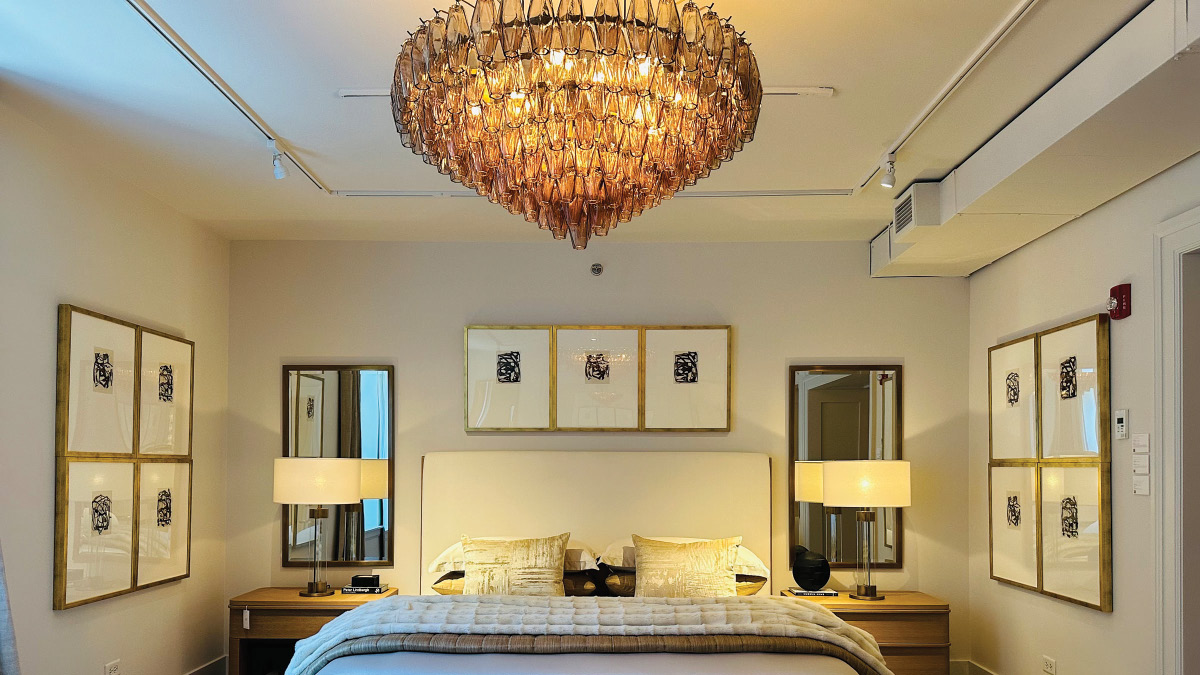
Ceilings have always fascinated me. We carefully consider walls, floors, furnishings, art and lighting. Then we look up and often find the familiar finish: ceiling white. It has become such a common design convention that we rarely stop to consider the possibilities above us. I see the ceiling differently. It is, after all, the fifth wall—an opportunity to complete the composition of a room and allow the eye to travel seamlessly through the space.
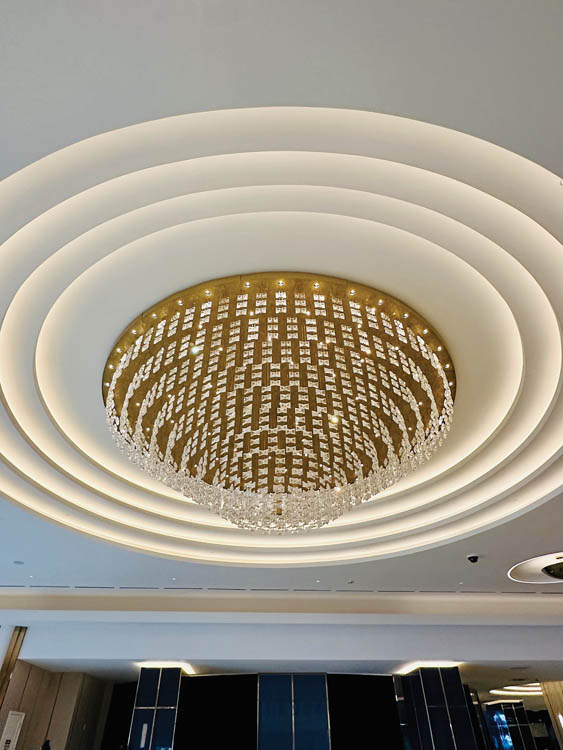
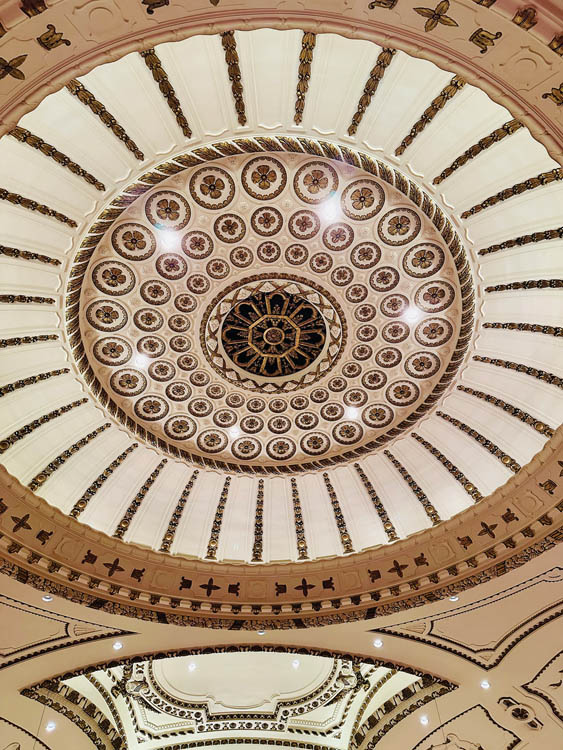
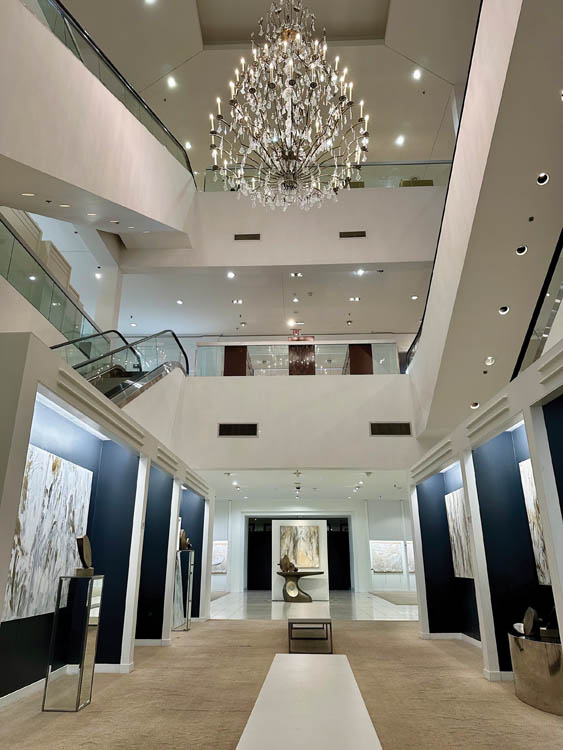
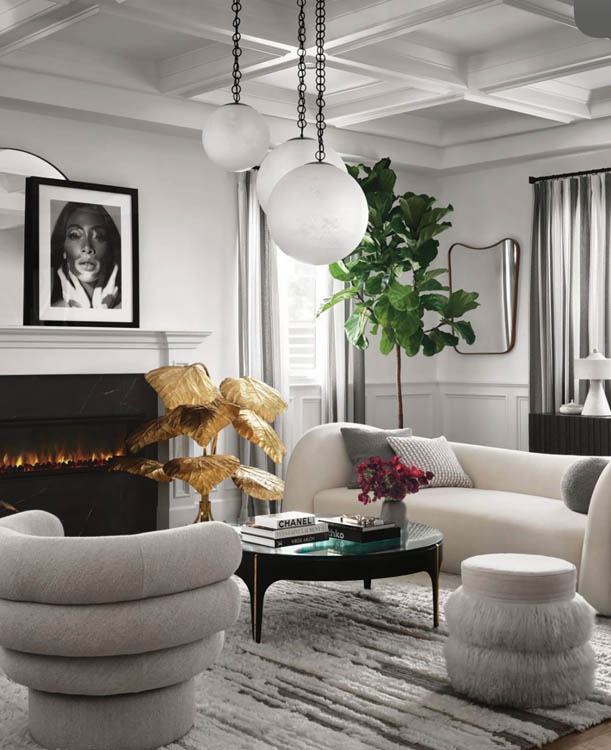
Sometimes the answer is beautifully simple. I love continuing the wall color onto the ceiling or choosing a related tone. The boundaries soften, the eye continues and the room feels more cohesive and enveloping. Other spaces invite us to do more. We experience a room through more than its furnishings. We experience its height, scale, light and proportion. The ceiling becomes part of something larger: designing the volume of the room itself.
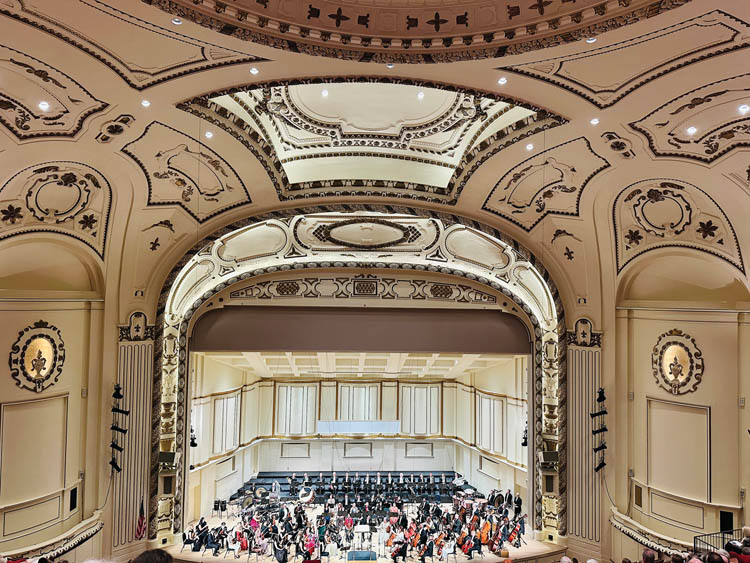
For centuries, great European interiors celebrated this idea. Ceilings were integral to the architecture—painted, frescoed, coffered, gilded and sculpted. Today’s interpretation can be decidedly modern. A coffered or beamed ceiling adds dimension. Layered planes can sculpt the space overhead. Wallpaper, with its current popularity, has naturally found its way onto the fifth wall, bringing pattern, texture and personality overhead. Trends will inevitably shift, but treating the ceiling as part of the complete composition is timeless.
Proportion should always lead the decision. A soaring public space offers an opportunity for extraordinary scale and drama. An entrance foyer can create a memorable sense of arrival. In a bedroom, carrying a beautiful color overhead can create intimacy and a cozy, cocooning effect.
And then there is light. I previously wrote about lighting’s ability to transform an interior. Ceiling design takes that conversation further. Concealed strip lighting within coves or sculpted architectural layers can emphasize depth and shadow, make planes appear to float, and allow light itself to become part of the architecture. White can be beautiful, too. A thoughtfully designed white coffered ceiling uses geometry, dimension, light and shadow while allowing the room below to shine. The opportunity is to make the ceiling intentional.
The next time you enter a room, look up. Consider where your eye travels—and where it stops. The fifth wall can whisper or command attention, create intimacy or grandeur, simplicity or drama. When it is considered as thoughtfully as everything below it, the result is a complete design that fascinates from every angle.
Faith’s Tips
- Consider the ceiling the fifth wall. Include it in the design plan from the beginning.
- Explore dimension. Coffers, beams, molding and sculpted or layered planes add architectural interest.
- Think beyond ceiling white. Continue the wall color or explore a complementary tone for continuity.
- Explore the surface. Paint, wallpaper, plaster and other finishes can introduce color, pattern and texture overhead.
- Integrate lighting and architecture. Cove and strip lighting can accentuate shape, depth and shadow.
- Consider the experience. A foyer may call for drama and a sense of arrival, while a bedroom may benefit from intimacy and enclosure.
- Design with proportion in mind. Let the height, scale and purpose of the room guide your choices.
- Complete rather than compete. Let the fifth wall enhance the entire composition.
Faith Berger is a St. Louis-based artist, working in acrylic, mixed medium collage, and the co-author of It’s About Time, No. 1 on Amazon in Woman’s Survival. Visit her website at faithberger.com, find her on Instagram faithberger.art, or reach her via email at faith@faithberger.com.