

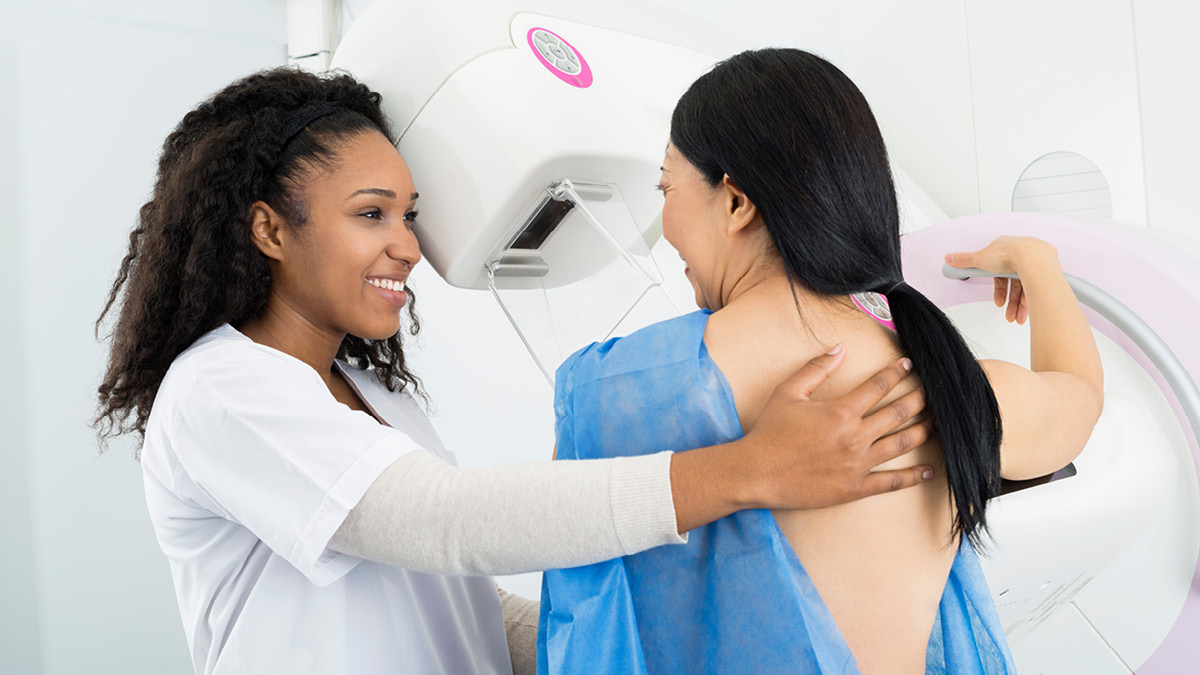
a.i. & breast cancer | A new AI-based technology developed at Washington University School of Medicine is helping predict women’s risk of developing breast cancer. The system, called Prognosia Breast, analyzes both 2D and 3D mammograms to estimate the likelihood that a patient will develop breast cancer over the next five years. The software has now received the FDA’s Breakthrough Device designation, which means it will go through an expedited review process for full market approval. “We’re excited about the potential of this technology to improve risk prediction and prevention of breast cancer broadly, no matter where a woman is getting screened,” co-developer Dr. Graham A. Colditz says. “The long-term goal is to make this technology available to any woman having a screening mammogram anywhere in the world.”
treating arthritis
Researchers at Shriners Children’s St. Louis have discovered a new way to potentially minimize flare-ups and symptoms while stopping the progression of arthritis. The treatment uses chronotherapy, a method that is based on the body’s circadian rhythm. The team developed circadian-based gene circuits that can be programmed into stem cells to align with a patient’s natural circadian rhythm and deliver anti-inflammatory drugs at a prescribed time. “For diseases like rheumatoid arthritis, the sooner you diagnose and treat the condition, the more you can prevent inflammation that damages the joints,” director of research Dr. Farshid Guilak says. “If the body can receive medication ahead of those flare-ups that therefore prevents joint damage, then the disease won’t progress.”
expanding hepatitis b treatment
New research from Saint Louis University recommends expanding treatment for patients with hepatitis B (HBV). The disease kills more than 3,000 people every day, and HBV is responsible for half of all liver cancer cases. While the disease cannot be cured, current drug treatments are safe and effective at slowing its progression and reducing its transmission. “These medications are good drugs that are being badly underused,” says John Tavis, Ph.D., professor of molecular microbiology and immunology. “Less than 3% of all people infected with HBV are receiving treatment, and the evidence suggests that many more people could benefit from treatment. If we get people on medication earlier, the net disease and death rate is going to be much less.”
physician satisfaction
Mercy is one of four U.S. health care systems to earn 2025 KLAS Arch Collaborative Electronic Health Record (EHR) Breakthrough Recognition. The designation was determined by reviewing the experience scores of health systems across the country. A major factor in satisfaction was Mercy’s implementation of an A.I. assistant to help physicians cut down on paperwork and concentrate on working with patients face-to-face. “This national recognition is a clear indicator that our caregivers are extremely satisfied, which in turn makes for happier patients,” says Dr. Todd Craig, Mercy vice president of clinical informatics. “There’s no doubt the work we are doing at Mercy is improving patient care and reducing physician and provider burnout.”