

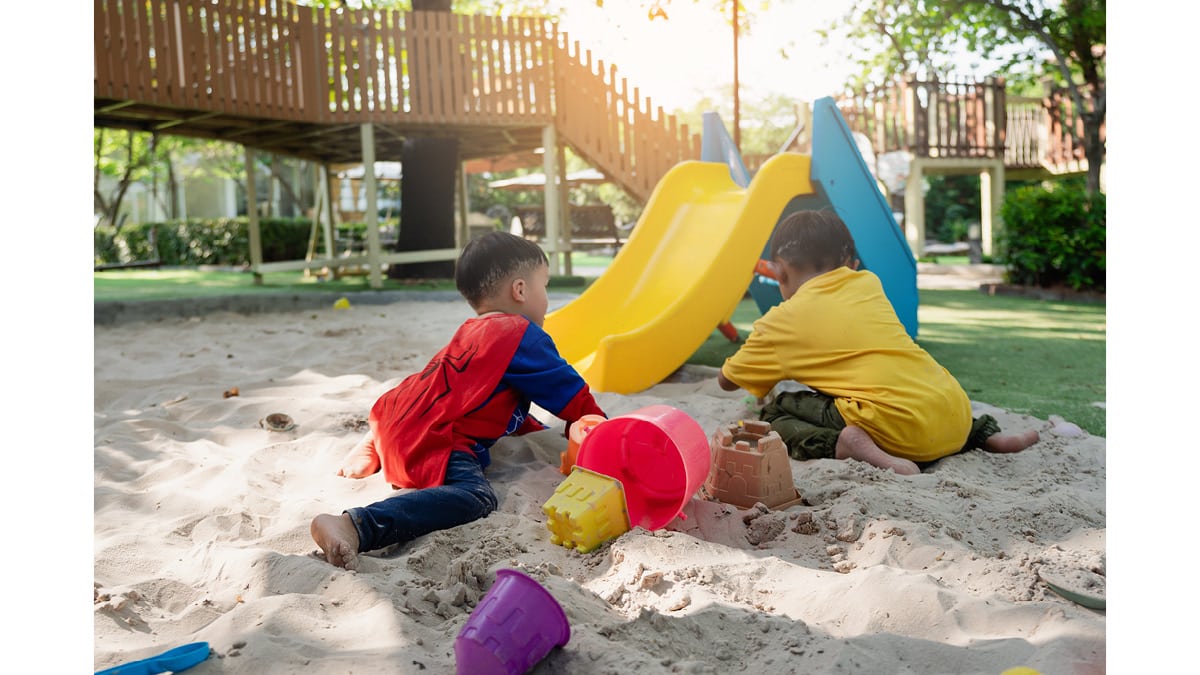
My generation learned lessons by having lots of free time playing outdoors without adult supervision. Unfortunately, free play began to decline in the 1980s and accelerated in the 1990s in large part due to parent’s fears about kidnappers and sex offenders; the term “stranger danger” first appeared in our lexicon in the early 1980s. In addition, due to a 1983 report titled, A Nation At Risk, we began to believe that our children were falling behind academically compared to other countries.
As a result, recess was shortened or cut out entirely, homework increased and was given to younger grades, and the school year lengthened. The money-making youth sports industry blossomed with the result of taking kids off the streets and into adult supervised travel sports teams. We lost good old-fashioned free play in the outdoors.
What kids need is self-directed play where they can do activities they freely choose for their own sake, not to win applause or trophies. When parents, teachers and coaches get involved in children’s play, it becomes less free, less playful, less beneficial and less fun. Adults have a tough time stopping themselves from directing, protecting and taking over. Kids need the opportunity to handle problems and conflicts without calling in adults to fix or rescue.
Children also need to play with some degree of physical risk because it teaches them how to look after themselves and each other. Kids will take on the responsibility for their safety when they are actually responsible for their safety, rather than relying on the adult guardians hovering over them. And when things go wrong, even if they get hurt, they can usually handle it without the need to call in an adult.
A healthy human childhood with a lot of autonomy and unsupervised play in the real world sets children’s brains to operate mostly in what author Jonathon Haidt calls “discover mode,” and these experiences allow them to develop the ability to handle the challenges and risks of daily life. We need to keep them as safe as necessary, not as safe as possible.
Many of my generation’s best times during childhood were spent in this manner: having freedom, opportunities to be self-responsible, time out in the real world making decisions and taking full responsibility for the consequences of these choices—both good and bad.
It’s high time we allow today’s children to experience unstructured play out in the real world, especially outdoors in nature. That is the best place for them to learn critical life lessons like collaboration, social skills, problem-solving, self-responsibility, taking responsibility for their safety and using their imaginations to handle boredom and create their own fun. Sandbox, anyone?
Tim Jordan, M.D., is a Behavioral Pediatrician who counsels girls aged grade school thru college. Listen to his weekly podcast, Raising Daughters, to gain information on raising strong, resilient girls. For more info on Dr. Jordan’s retreats, summer camps and books visit drtimjordan.com.