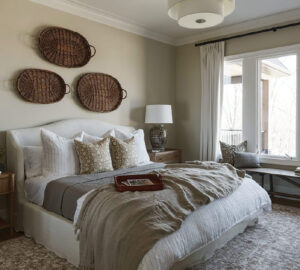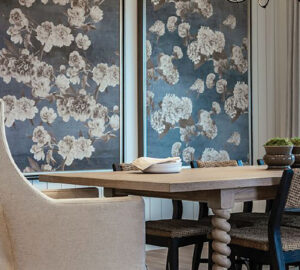

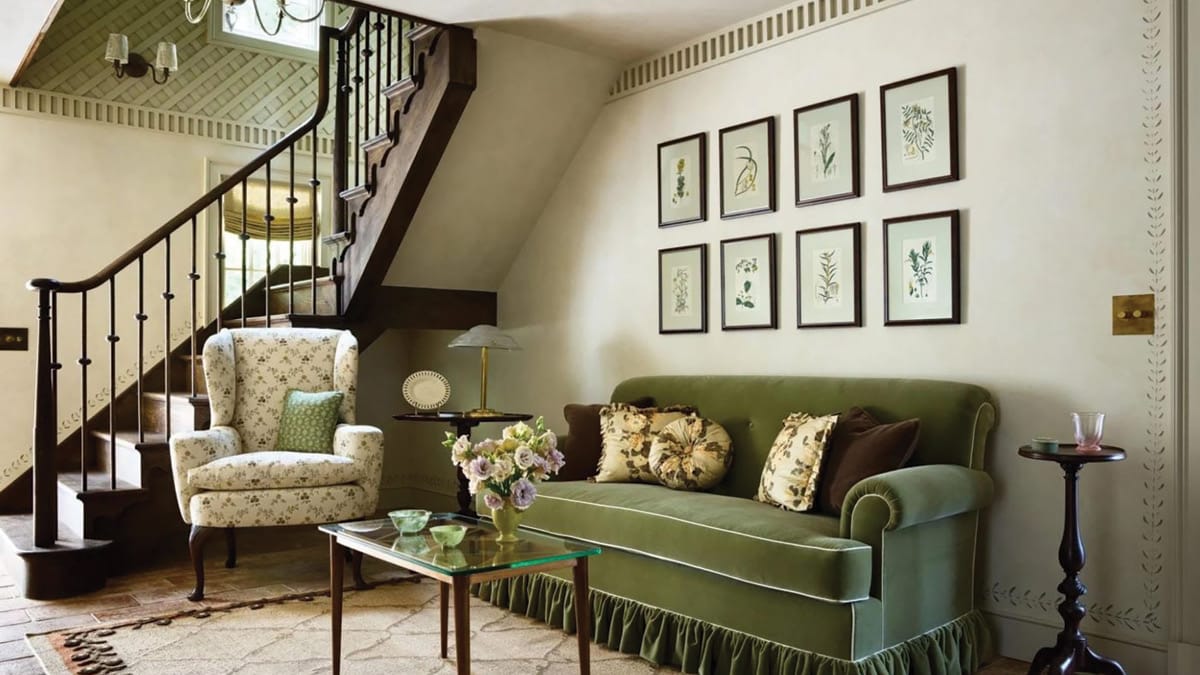
Quick answer: Traditional interior design is a timeless style rooted in 18th- and 19th-century European decor, defined by symmetry, rich wood tones, layered textiles and classic furniture silhouettes. At its core, it prizes comfort, order and a sense of history: rolled-arm sofas, antique-inspired case goods, warm color palettes and accessories arranged in balanced pairs.
Traditional style isn’t going anywhere, but it isn’t staying the same either. What once felt like your grandmother’s formal sitting room has evolved into something far more personal and wonderfully livable. It’s become one of the most sought after looks again, as more people look for warmth, character and homes that feel like they’ll stand the test of time.
What sets today’s traditional homes apart is that they aren’t filled overnight. They’re intentionally collected. Every piece is chosen with purpose, whether it’s a vintage find discovered at an antique market, something collected while traveling, a family heirloom or a thoughtfully selected new investment. Those layers of old and new are what give a traditional home its richness and sense of history.
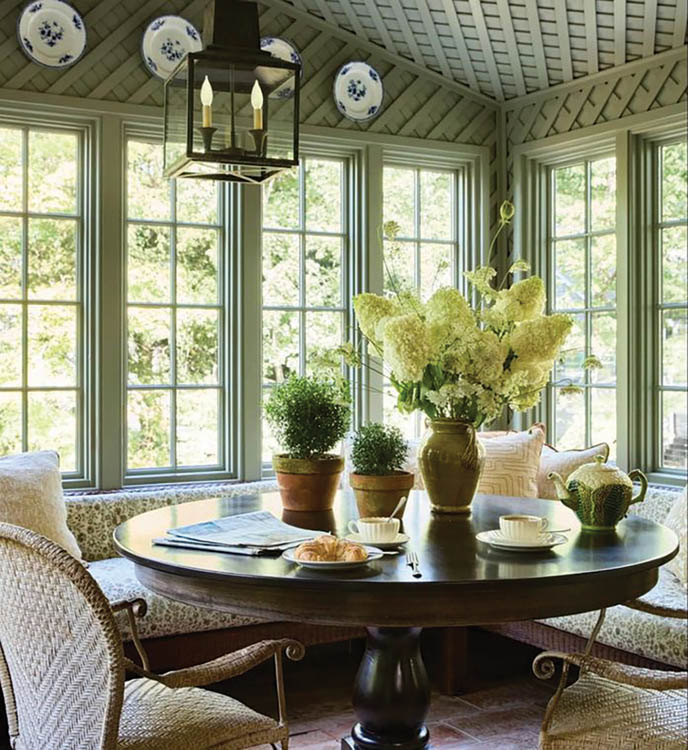
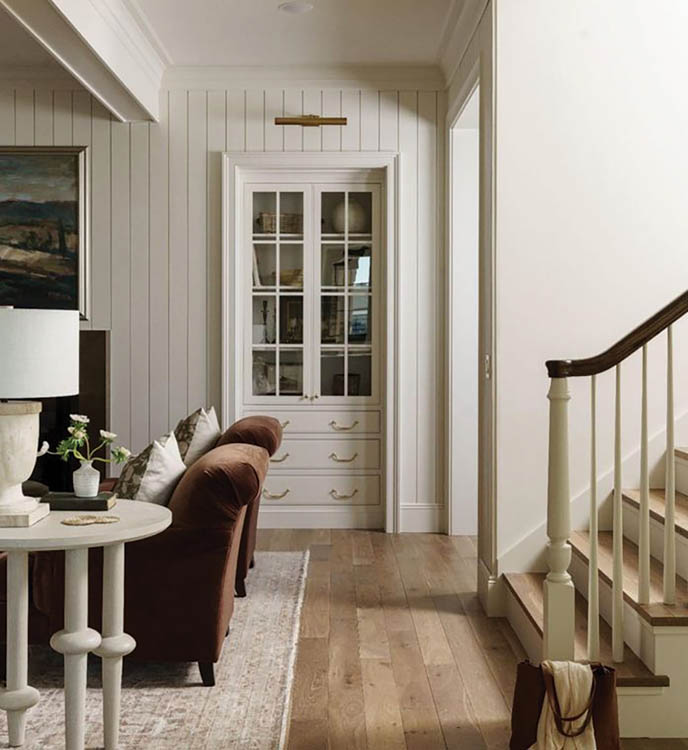
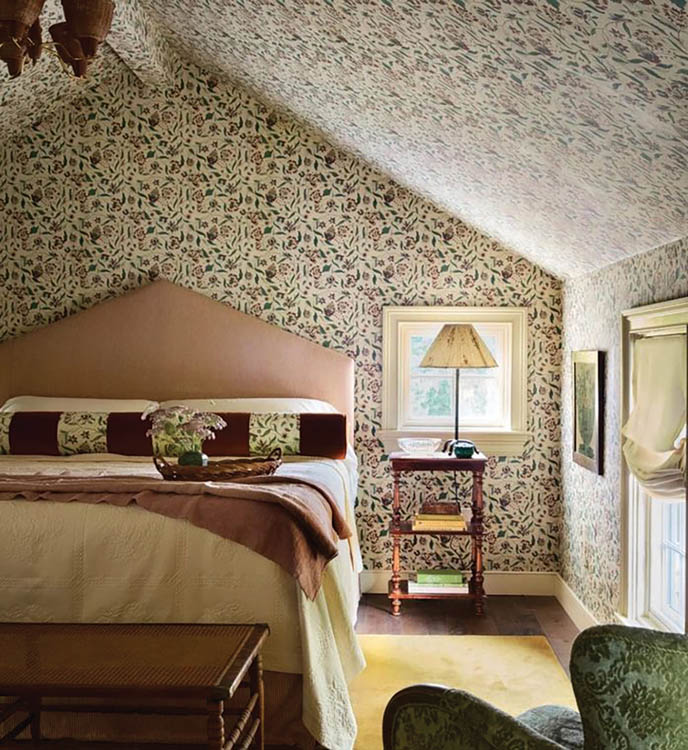
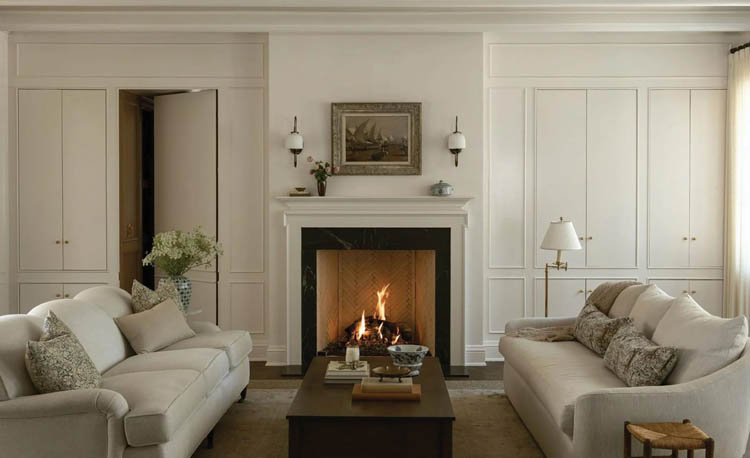
What defines traditional interior design?
While traditional interiors can take many forms, the best ones tend to share these defining characteristics:
- Classic furniture silhouettes: Rolled arms, turned legs, tufted upholstery, wingbacks, cabriole curves; shapes borrowed from English and French furniture history.
- Rich, warm materials: Deep and mid-tone woods (mahogany, walnut, cherry, oak), brass and bronze, and natural stone.
- Layered textiles: Damask, floral, plaid and stripe, layered across drapery, upholstery and rugs, with plenty of velvet, linen and wool for texture.
- Curated accessories: Antique-inspired lamps, framed art in thoughtful arrangements, porcelain, books and the heirloom pieces that make a room feel like yours.
What ties it all together is a sense of comfort and longevity. Traditional interiors are designed to outlast trends, favoring quality, craftsmanship and pieces that feel just as relevant years from now as they do today.
Where does traditional style originate?
Traditional interior design draws from European decor of the 1700s and 1800s, mostly English and French, along with the formal Colonial and Neoclassical interiors that followed in America. It borrows the proportions of classical architecture, the craftsmanship of period furniture makers and the layered, collected feeling of grand historic homes. Knowing that origin makes the “rules” click into place: the symmetry comes from classical architecture, and rich woods and textiles come from an era when furniture was built to last generations.
Photos
1-3: Design: @moorehousedesign | Photo: @jaredkuziaphoto | Styling: @studio.jennlilly
4: Design: @wdesigncollective, @maddiekienedesigns. @mariannembrown | Styling: @anndesan, @sararonna | Photo: @lauren.lee.photo | Build: @grovehomesutah | Architecture: @clayton_vance_architecture
5: Design: Jesse Bodine
Scout & Nimble is a retail site and blog that aims to make expert design accessible to all. Follow at blog.scoutandnimble.com.