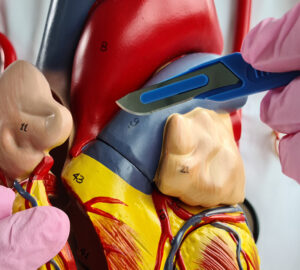


heartburn and alcohol use disorder | Research from Saint Louis University has uncovered a connection between frequent heartburn—clinically known as gastroesophageal reflux disease (GERD)—and a higher incidence of being diagnosed with alcohol use disorder (AUD). The disorder contributes to nearly 178,000 deaths each year, but AUD often goes undiagnosed, especially in primary care settings. The study found that patients with GERD had an 18% higher chance of being diagnosed with AUD. The research team believes frequent heartburn could be an effective marker to begin screening for AUD . “If we know GERD patients are at higher risk, we can start asking the right questions and offering help sooner,” says Dr. Kimberly Schiel, lead author and acting chair of family and community medicine at SLU’s School of Medicine.
social conflict among teens
Approximately 20% of U.S. teens experience a mental health disorder each year, and that number has been on the rise. A new study from Washington University School of Medicine has revealed that social conflict is one of the strongest predictors of near- and long-term mental health issues in teens. This includes family fighting and bullying from peers. The study also found there are differences in how boys and girls experience stress related to peer conflict, with girls more and worse mental health challenges. “Understanding which youth are most likely to go on to develop larger mental health concerns before they experience strong functional decline is critical to mitigating potential damage,” says co-senior author Nicole Karcher, PhD, an assistant professor of psychiatry at WashU Medicine.
hereditary testing insights
Working with genetic testing company Tempus, Mercy’s Center for Precision Medicine is launching a new screening tool to identify those at high risk for cancer. The program focuses on germline DNA mutations, which can result in greater risk of developing various health conditions, including hereditary cancers like breast, ovarian, prostate and pancreatic varieties. “Cancer patients are offered genetic testing for treatment purposes but also to see if they have mutations that could have been passed down to their own children,” says Dr. Jay Carlson, Mercy medical director for oncology and Mercy Research clinical chair. “Mercy is now offering a genetic risk tool more broadly to help patients better understand potential inherited cancer risks for themselves and their families.”
alzheimer’s and circadian rhythm
Alzheimer’s disease is known to mess with patients’ daily rhythms, suggesting a link between the disease and the circadian system. Researchers at Washington University School of Medicine have new insights into that connection. Looking at mouse models, they found that amyloid accumulations in the brain—a characteristic of Alzheimer’s—impacted hundreds of genes in brain cells known as microglia and astrocytes. Of the 82 genes that have been associated with Alzheimer’s disease risk, around 50% are controlled by the circadian rhythm. These findings may provide experts the opportunity to discover new ways to identify treatments that target these genes and prevent the progression of the disease.