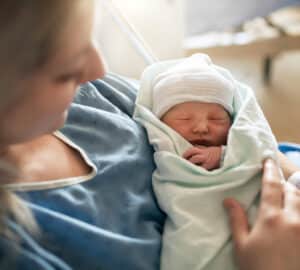


outstanding care | St. Luke’s Hospital has received national recognition for its exceptional patient care. It earned the 2026 Healthgrades Outstanding Patient Experience Award, ranking in the top 10% of hospitals nationwide for patient experience. St. Luke’s is the only hospital in Missouri to achieve this distinction for 16 consecutive years. “Earning this recognition for 16 consecutive years reflects the culture of excellence our team has built across St. Luke’s,” says Andrew Bagnall, president and CEO of St. Luke’s. “Every interaction matters when it comes to the patient experience, and our physicians, nurses, clinicians and support teams remain deeply committed to delivering compassionate, personalized care at every stage of the patient journey.”
diagnosing dementia
An AI-powered blood test may transform the diagnosis of dementia and provide greater clarity for treatment decisions. Researchers at Washington University School of Medicine in St. Louis have developed an AI-based classifier that distinguishes between four common causes of dementia: Alzheimer’s disease, Parkinson’s disease, frontotemporal dementia and dementia with Lewy bodies. With more than 90% accuracy, the noninvasive tool can separate the diseases from each other and typical cognitive changes related to aging. It also can detect when a patient is experiencing more than one disease process simultaneously. Further validation in larger, more diverse populations and tracking patients over time is needed before the test is ready for clinical use.
hepatitis b research
A researcher at Saint Louis University is being recognized for his seminal contributions to the study of the Hepatitis B virus. John Tavis, Ph.D., professor of Molecular Microbiology and Immunology, received the Distinguished Award in Hepatitis B Research at the International HBV Meeting. Tavis and his team of researchers have been studying the replication mechanisms and enzymology of the virus for more than 30 years. “This award is deeply gratifying to me because it was conferred by my peers who understand Hepatitis B virus biology the best,” he says. “I’ve spent my entire career working with them, arguing with them and listening to their work, so getting this recognition for my work means a lot to me.”
brain cancer vaccine
Research at Washington University School of Medicine shows that a personalized vaccine may be effective against glioblastoma, a fast-growing and incurable brain cancer that affects four in 100,000 people in the U.S. The results of a phase 1 trial conducted at Siteman Cancer Center indicate the vaccine caused no serious side effects and prolonged patients’ survival compared to historical outcomes of treatment with surgery and chemo-radiotherapy. “This kind of vaccine is a first for glioblastoma, and it is exciting to think how we can leverage this individualized therapeutic DNA cancer vaccine platform to make a positive impact on the lives of patients who are fighting this disease,” says Dr. Tanner M. Johanns, lead author of the study and an assistant professor in the Division of Oncology in the John T. Milliken Department of Medicine.