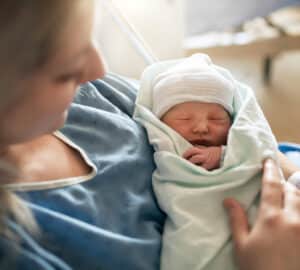

genetics & autism | Researchers at Washington University School have received a $11.85 million grant to study the role of genes in autism and similar diagnoses. The team will use mouse models to investigate the growing number of neurodevelopmental and psychiatric disorders known to be caused by a single gene mutation. The Washington University Scalable Mouse Assay Center will help further understand these complex diagnoses. “Over the last decade, there has been remarkable success in discovering new forms of autism caused by single gene mutations in humans,” says principal investigator Joseph Dougherty, Ph.D. “Ten years ago, scientists had identified maybe three single-gene mutations that each cause autism. Today, that number is over 300, demonstrating that there are many genetic routes to this diagnosis.”
a major impact
After 15 years, Pedal the Cause has donated $51 million to support cancer research at Siteman Cancer Center and Siteman Kids at St. Louis Children’s Hospital. For every $1 the cycling fundraiser generates, another $14 is obtained from outside sources, meaning the event has been the catalyst for bringing more than half a billion dollars to St. Louis-based cancer research. “The generosity of Pedal the Cause, including donors, sponsors, riders, volunteers and others, is an investment in science, health, our community and ourselves,” says Dr. Timothy J. Eberlein, M.D., director of Siteman Cancer Center. “The tens of millions of dollars raised since 2010 have launched multiple new approaches that have reduced the burden of cancer on our patients. Together, this relationship is making cancer a chronic disease.”
using a.i. for neurosurgery
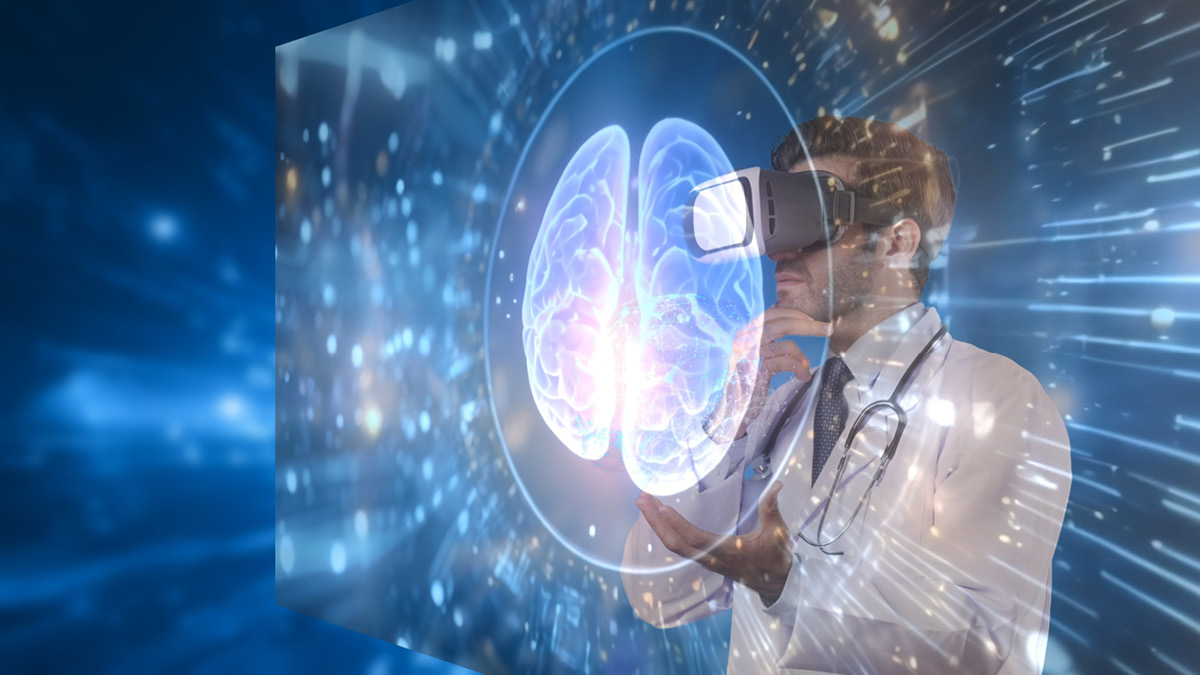
The FDA has authorized the use of A.I.-based brain-mapping software developed at Washington University School of Medicine. The Cirrus Resting State fMRI Software rapidly maps the brain to locate sensitive areas that control speech, vision, movement and other critical functions with the aim of more precisely guiding neurosurgeons during delicate operations. The technology will be brought to market by Sora Neuroscine, Inc., a WashU startup company. “This is going to be a sea change for clinical imaging and brain mapping,” says developer Dr. Eric C. Leuthardt, the Shi H. Huang Professor of Neurological Surgery and co-founder of Sora Neuroscience. “Now clinicians have access to a broader and more accessible way to look at brain function that can quickly provide insights across neurosurgery applications and for brain diseases, which will benefit patients.”
scoliosis innovation
Scoliosis affects between six and nine million children across the U.S. Shriners Children’s St. Louis is using an innovative treatment to help patients recover from intensive surgery. Dr. Scott Luhmann and Dr. Brian Kelly are two of only 70 orthopedic surgeons in the country that have been trained to use ApiFix Technology, an alternative to both spinal fusion and Vertebral Body Tethering that allows for recovery in as little as three months. “While spinal fusion patients are in the hospital for three days and have a longer recovery period due to the intensive nature of the surgery, ApiFix patients are only in the hospital one night and take much less pain medication, Luhmann says. “Patients are typically back to school in a week, so it’s a vastly different recovery.”