

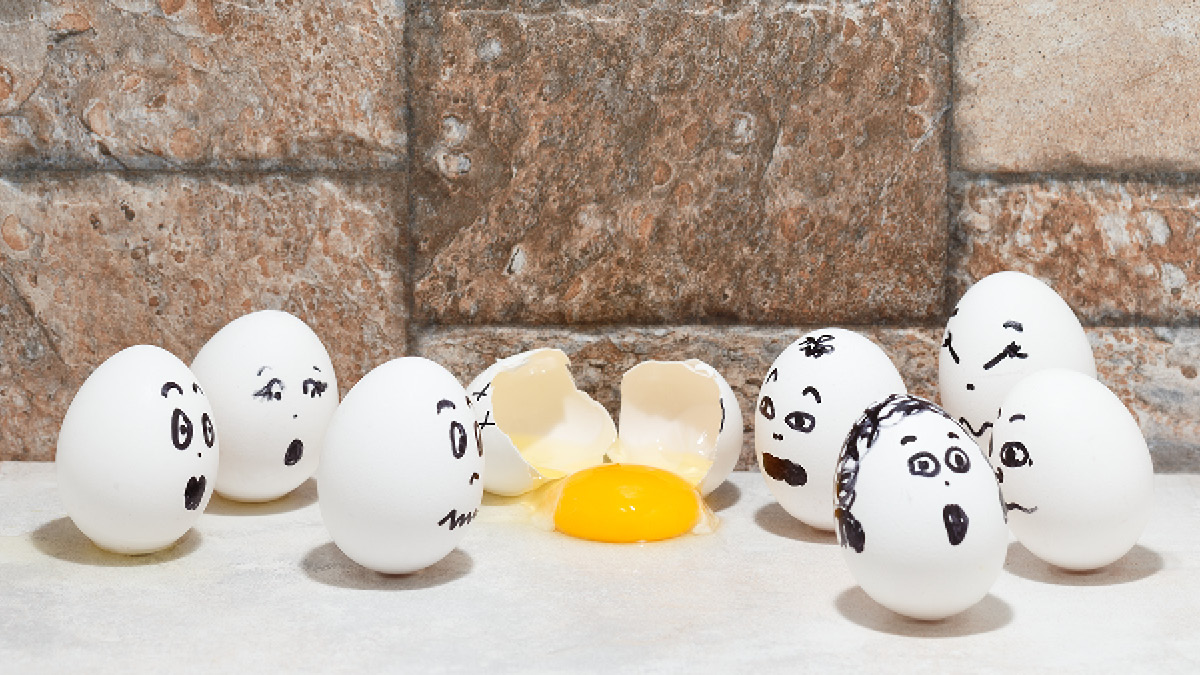
I recently had two weekend retreats, one with middle schoolers and one with high schoolers. A common theme that emerged was how hard it was to get through these years with their sense of self intact. The hallways of school contain so much judgment, criticism, body shaming, drama and a fixation on popularity. One major cost to all of this is that kids feel pressure to hide parts of themselves for fear of being judged, excluded or not fitting in. Believe it or not, I used the children’s nursery rhyme Humpty Dumpty as a metaphor for reclaiming lost parts of themselves.
Humpty Dumpty sat on a wall. Humpty Dumpty had a great fall.
Some common parts that kids hide from their peers are: a childlike sense of wonder; feeling carefree; their intelligence, interests and hobbies that are judged as childish or weird; parts they may not be ready to let go of such as playing with toys or coloring; admiring the way they look; or even being able to trust other people. Many teens lose the enjoyment of the present moment because so much of their lives become future oriented—doing activities because it will look good on college apps. Kids who used to love to dress in bright colors learn that it’s more acceptable to dress in black, white and browns. And they often end up losing their excitement about growing up. Like Humpty Dumpty, our kids experience quite a fall from what could be a fun, joyful period of growing up.
So, how can we support girls in putting themselves together again? One critical component is to focus on what you do have control over. You aren’t always in control of what happens to you or how peers treat you, but you are always in control of what story you create about adversities. Seventh grader Simone acquired a belief that she wasn’t good or loveable enough after her friend group ditched her. But I guided her to reframe that limiting belief with what was the truth: the group got mad at her because she wouldn’t join them in spreading false rumors about another girl. They didn’t like that they couldn’t control her.
Alex’s belief that she was fat came from her noticing that her thighs were larger than her friends. The truth was that she had muscular thighs from participating on a high-level swim team. She was strong, not fat. Natalia’s belief that she was ugly and fat began in the fifth grade when she became the first girl in her class to begin puberty. The truth she decided to believe was that she was curvy, not fat.
All the king’s horses and all the king’s men, couldn’t put Humpty together again.
You get the point. One of the best ways to reclaim your authentic self is to reframe any faulty, limiting beliefs about yourself that you’ve picked up from life experiences. You don’t need to give up your thoughts, interests, wardrobe, opinions or appearance in order to fit in. If you show up at school as your true self, you will attract friends who like you for you, not some watered-down version of you. Those will be true friends who love you for you, the kind that will stick around through good times and bad. You will like and love this true version of you much better as well.
Tim Jordan, M.D., is a behavioral pediatrician who counsels girls aged grade school through college. Listen to his weekly podcast, Raising Daughters, to gain information on raising strong, resilient girls. For more info on his retreats, summer camps and books, visit drtimjordan.com.