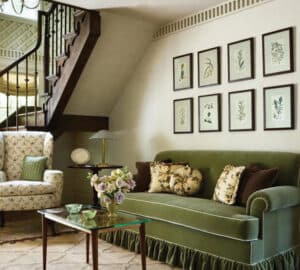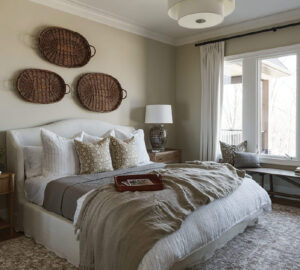

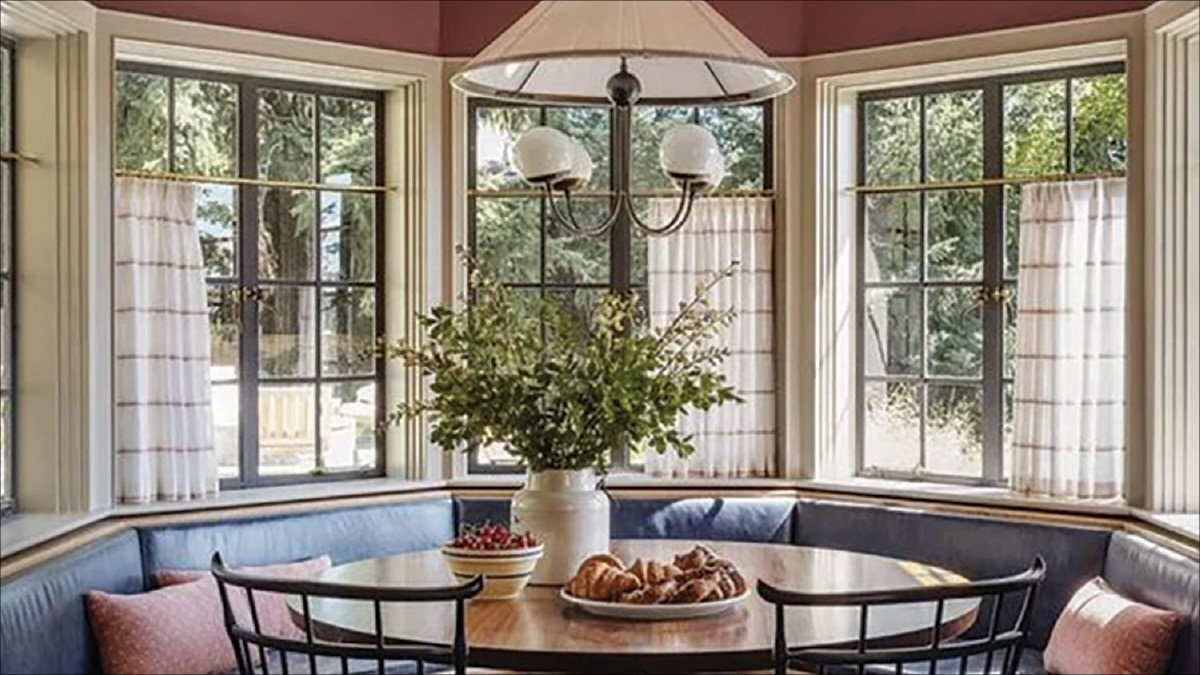
Traditional isn’t one look, it’s a family of them. Most rooms people call “traditional” are really leaning on one of four sub-styles, each with its own furniture cues and palette. Knowing which one you’re drawn to makes every other decision easier: you stop shopping “traditional” in general and start shopping the version that actually fits your home. Here are the four we work in most and how to spot each one.
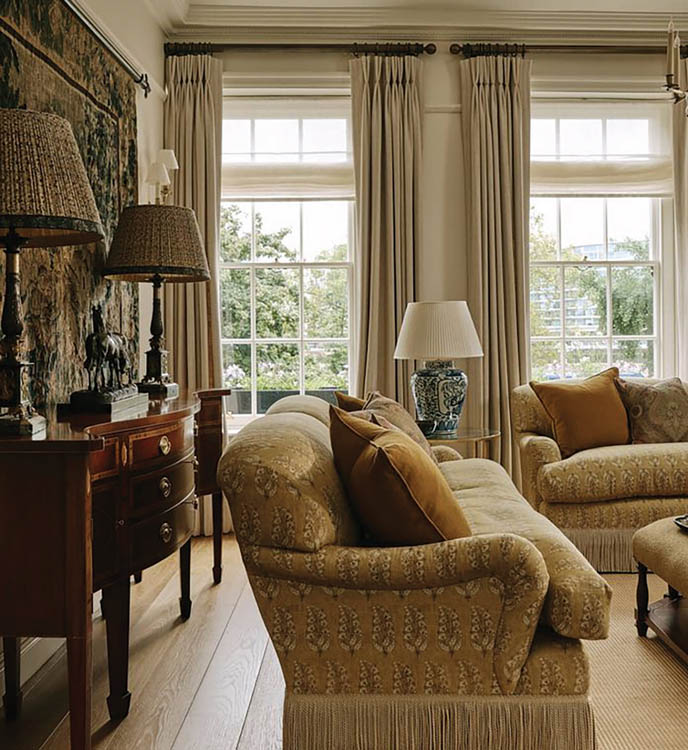
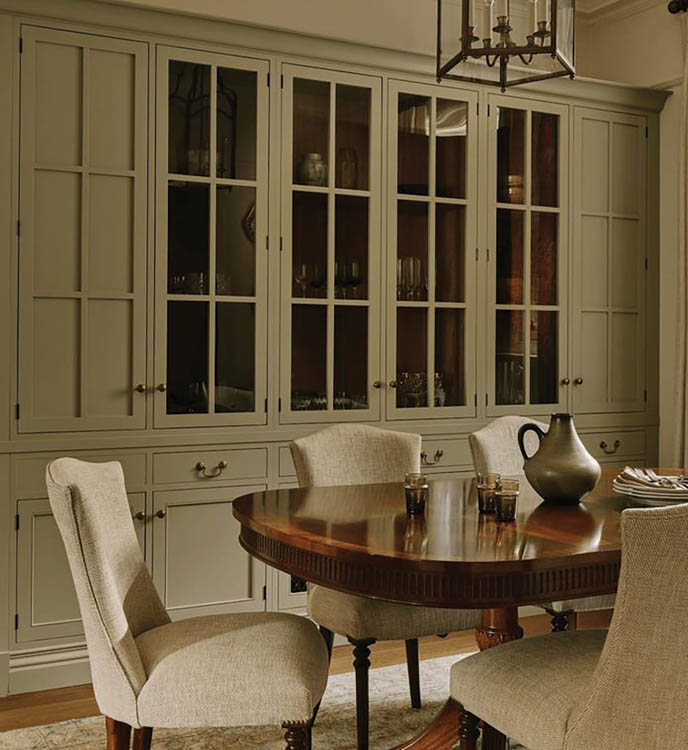
English Traditional
The most pattern-rich of the five. English Traditional is built on deep upholstery and layered patterns: a Chesterfield or rolled-arm sofa, floral chintz, antiques collected over years and color that reads rich rather than bright.
It’s the library-and-drawing-room look: tufted leather, brass nailhead, a floral on the drapery paired with a stripe on the pillows. The palette runs deep and warm, so nothing feels stark. Done well, it looks like it’s been added to for generations, not bought in a season.
Palette: deep greens, burgundy, navy, cream
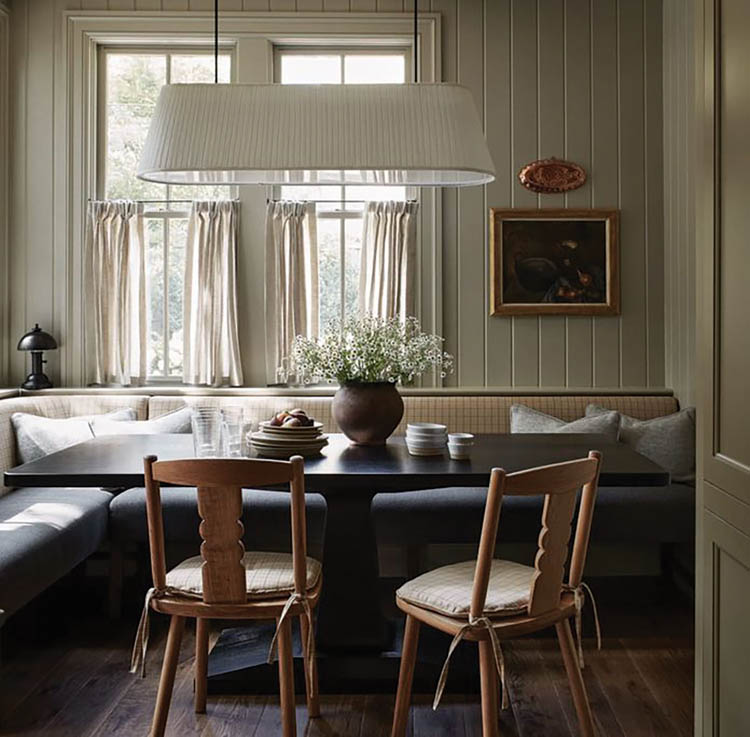
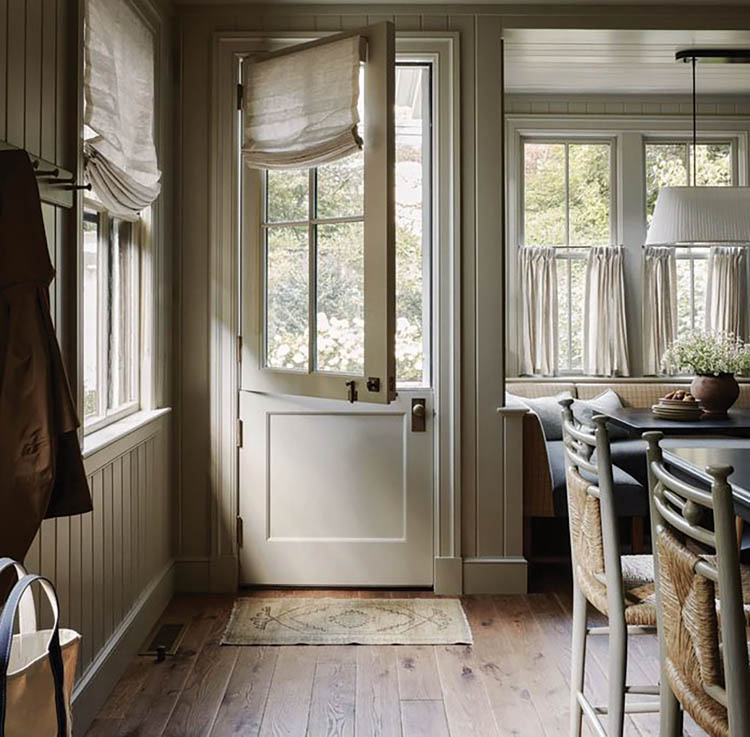
French Country
The softest and most relaxed, French Country trades formality for warmth: carved wood, gentle curves, gently distressed finishes and airy toile or gingham pattern.
Think a farmhouse outside Provence: a cabriole-leg chest, a little gold leaf worn at the edges, warm neutrals lifted with soft blue and ochre. It’s traditional that feels lived-in rather than grand, the version that’s easiest to settle into if formal isn’t you.
Palette: warm neutrals, soft blue, ochre
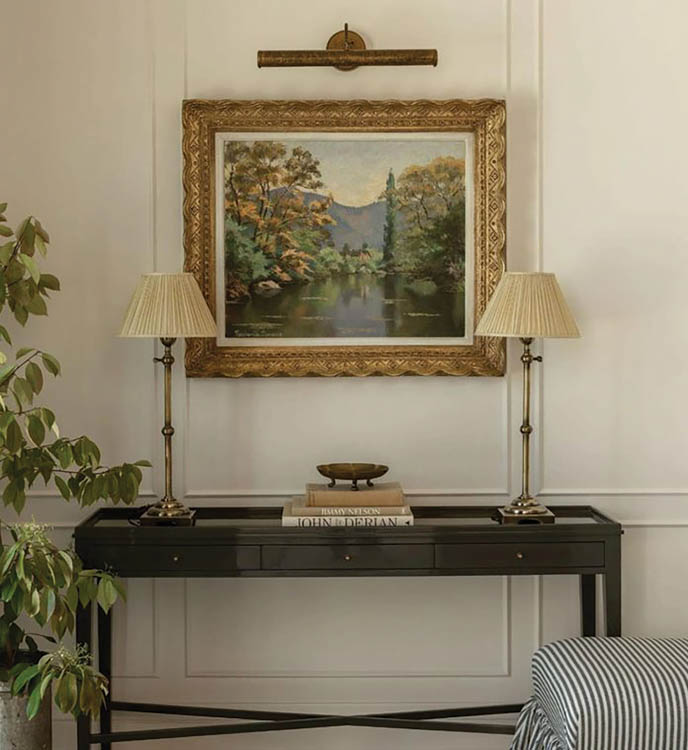
Neoclassical
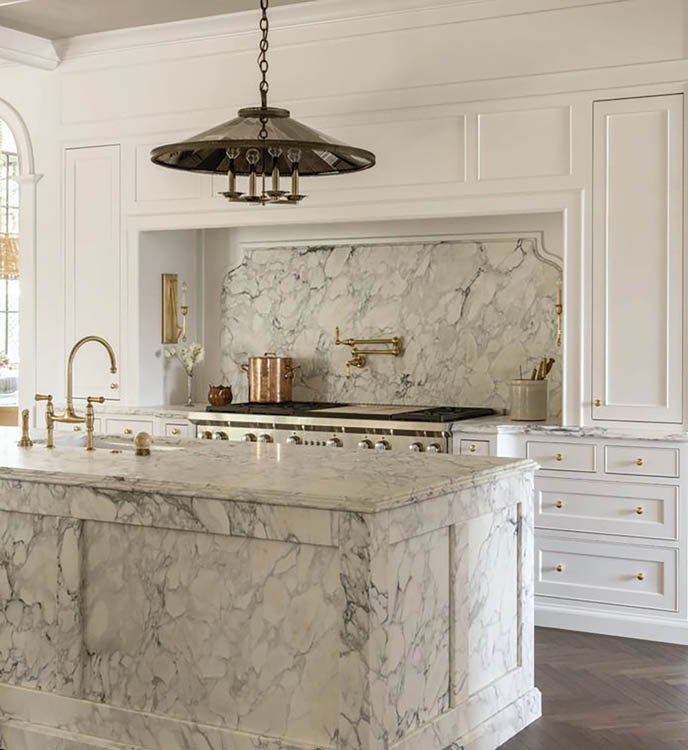
The most symmetrical and refined. Neoclassical leans on classical architecture—columns, moldings and balanced silhouettes—in a restrained ivory, gold and soft-grey palette.
This is the dressiest end of traditional: matched pairs and clean proportions borrowed from Greek and Roman forms, and finishes that read polished rather than cozy. A demilune console centered under a mirror is the whole idea in one vignette.
Palette: ivory, gold, soft grey
Colonial
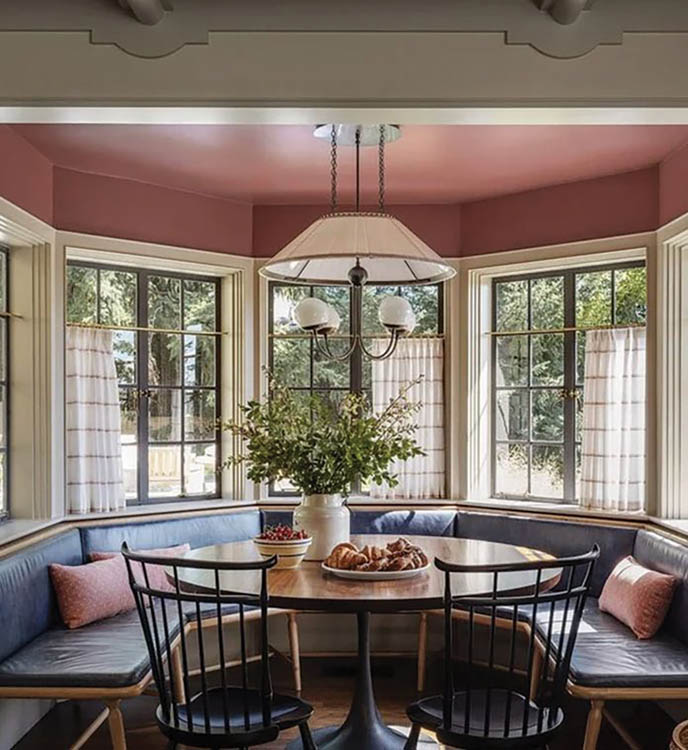
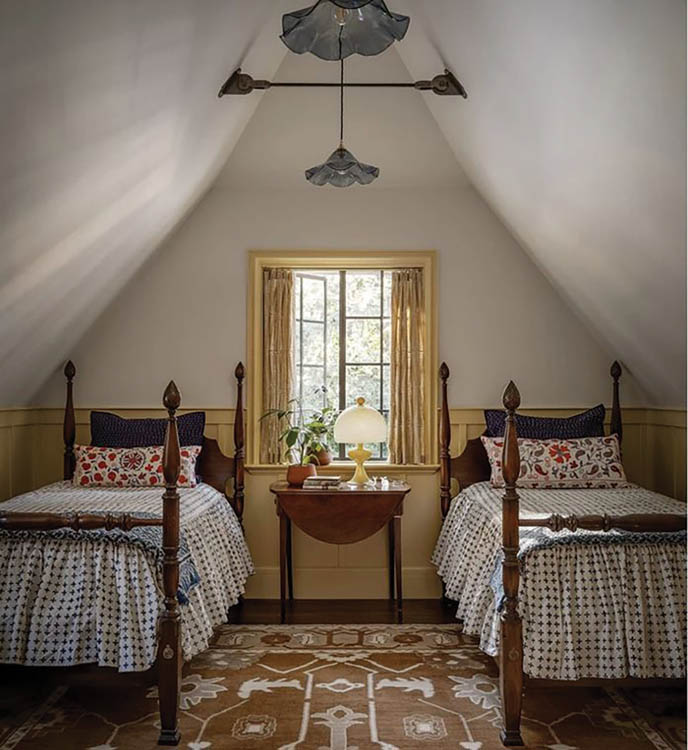
The most practical. Colonial is early-American traditional: honest wood furniture, spindle and Windsor chairs and simple, unfussy silhouettes.
Less ornament, more craftsmanship. Warm wood tones, a muted blue or barn red as the accent, and shapes that have stayed in American homes for two-plus centuries because they work. It’s traditional, but stripped to its useful bones.
Palette: warm wood tones, muted blues and reds.
Photos
English: Design: @simshilditch
French: @wdesigncollective | Photo: @jaredkuziaphoto | Build: @paynebouchierfinebuilders | Architecture: @anniemoumou | Styling: @anndesan @sararonna
Neoclassical: Design: @wdesigncollective @maddiekienedesigns @mariannembrown | Styling: @anndesan @sararonna | Photo: @lauren.lee.photo | Build: @grovehomesutah | Architecture: @clayton_vance_architecture
Colonial: Design: @jhinteriordesign | Photo: @aaronleitz
Scout & Nimble is a retail site and blog that aims to make expert design accessible to all. Follow at blog.scoutandnimble.com.