
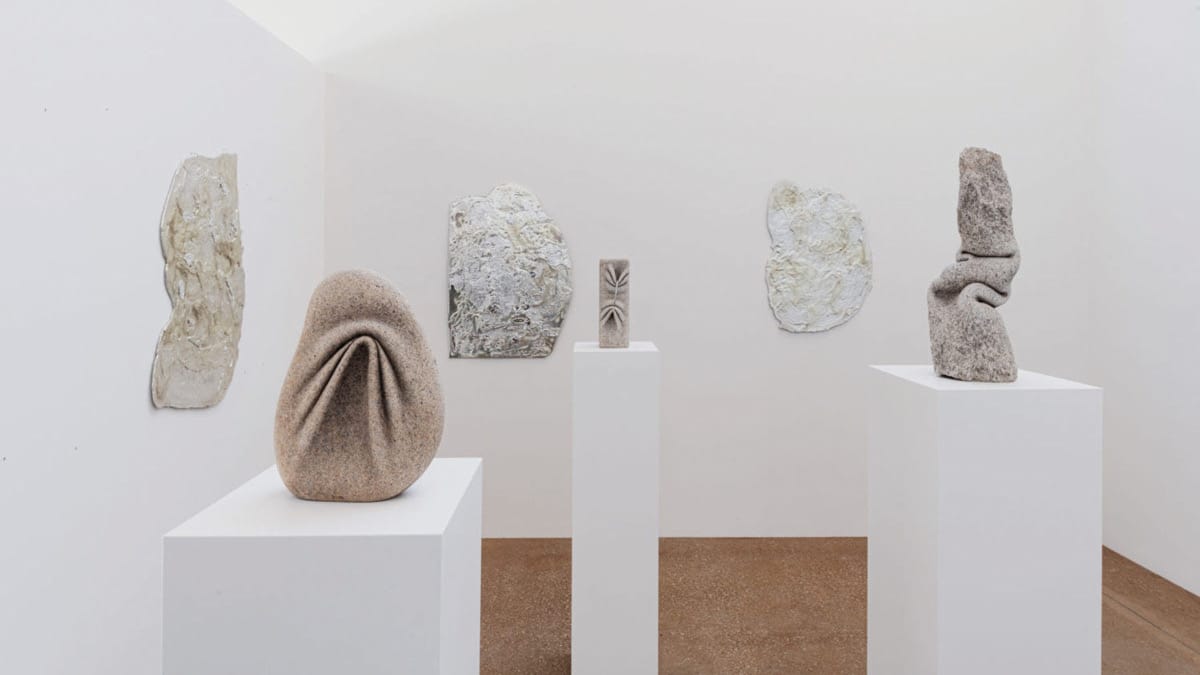
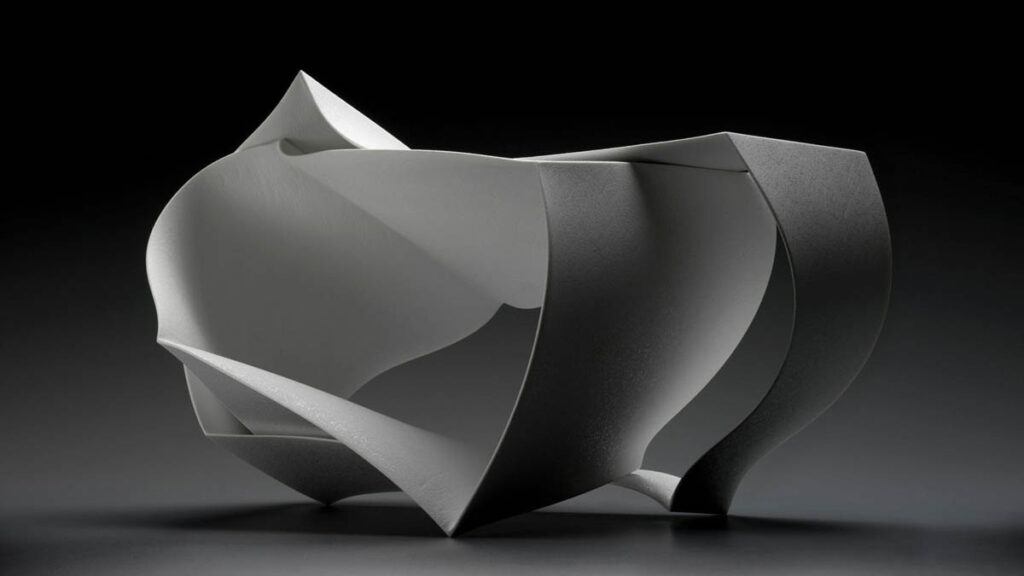
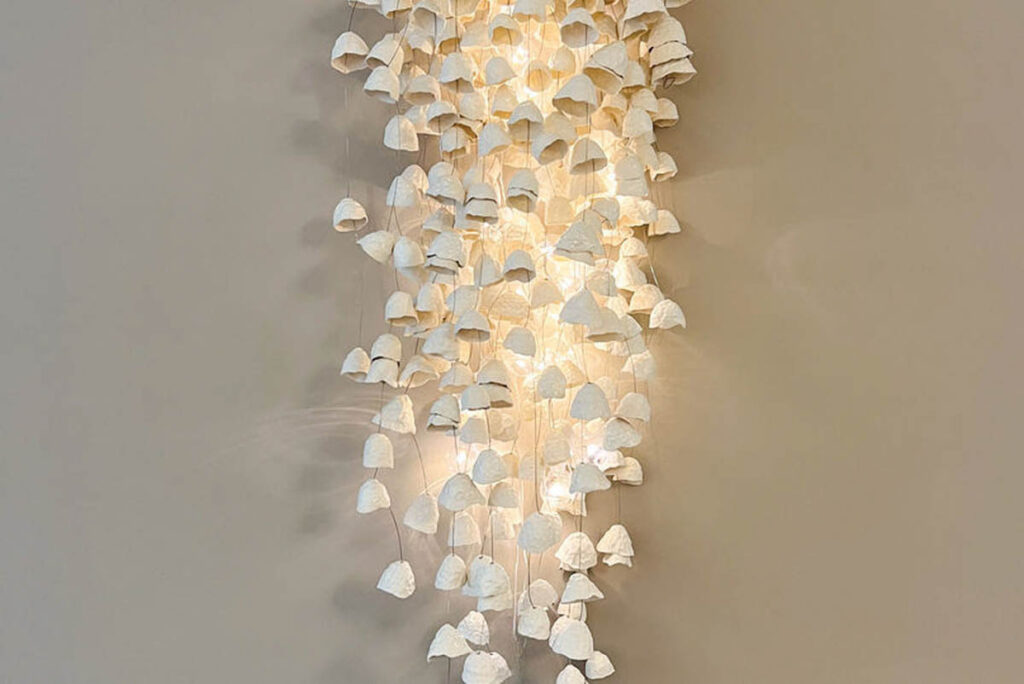
As much as I love art in all its forms—painting, textiles and the luminous magic of art glass—the world of ceramics holds a singular charm. Ceramics bring texture, dimension and a tactile connection to the hand of the artist. The range is extraordinary: from sculptural vessels with architectural lines to centuries-old forms shaped by ancient traditions. Adding ceramics to your collection elevates a space in the most subtle, compelling way. They soften geometry, enrich surfaces and tell stories through glaze, scale and form.
Collecting ceramics is a deeply enriching endeavor that blends art, history and craftsmanship. Whether you’re drawn to the touch of a hand-thrown vase, the archaeological whisper of early pottery or the bold innovation of contemporary sculptural work, ceramics open a world that is both timeless and endlessly evolving. This guide offers a refined pathway to building a collection that reflects your personal aesthetic and your appreciation of the medium’s depth.
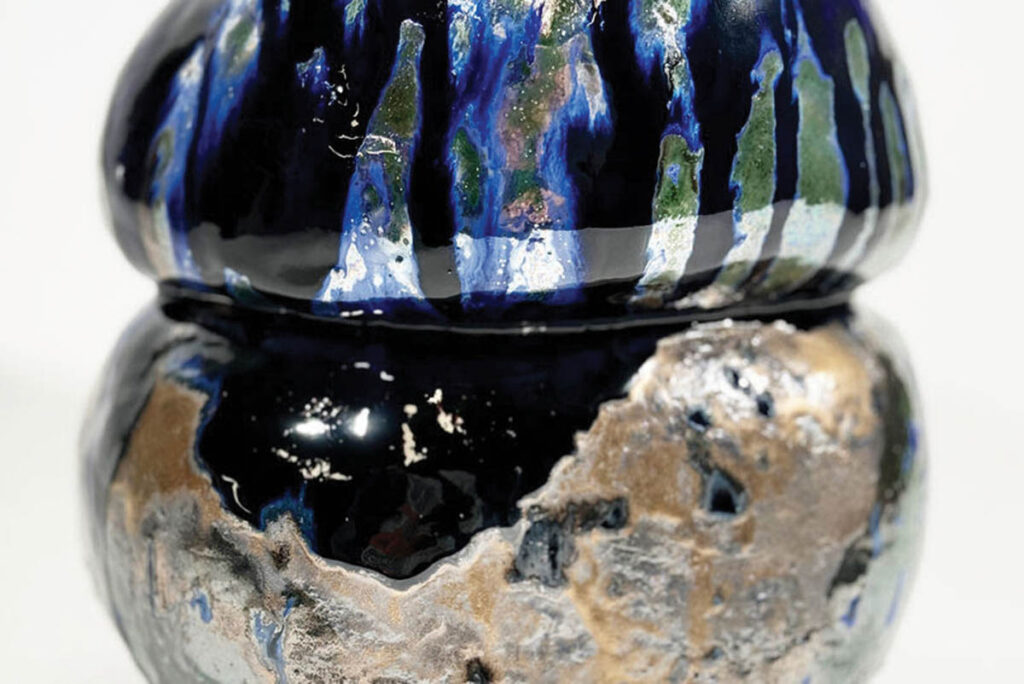
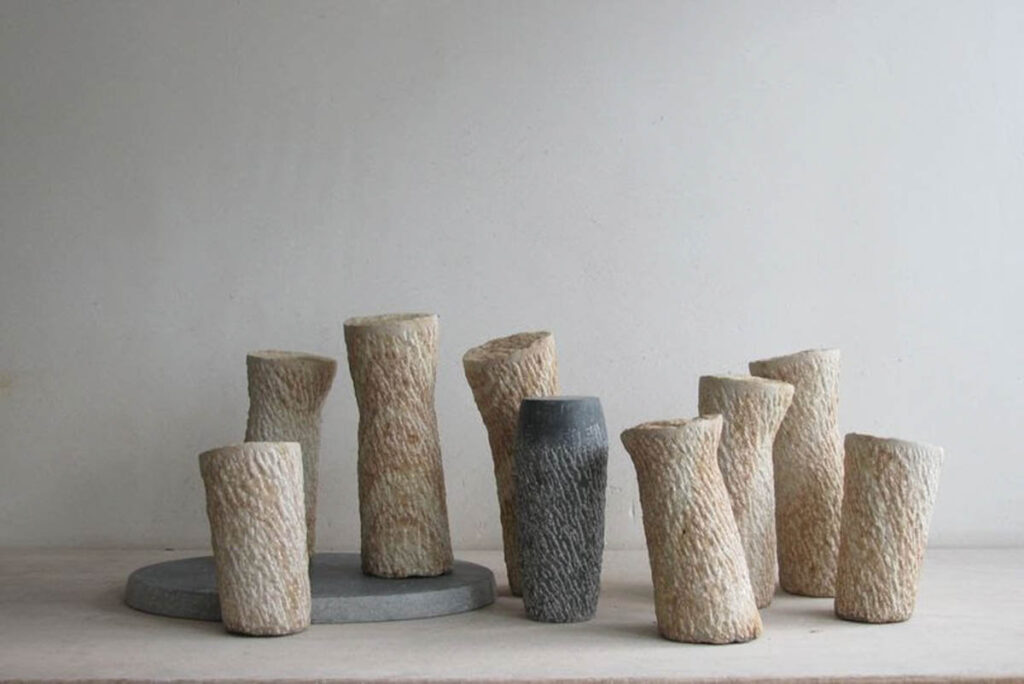
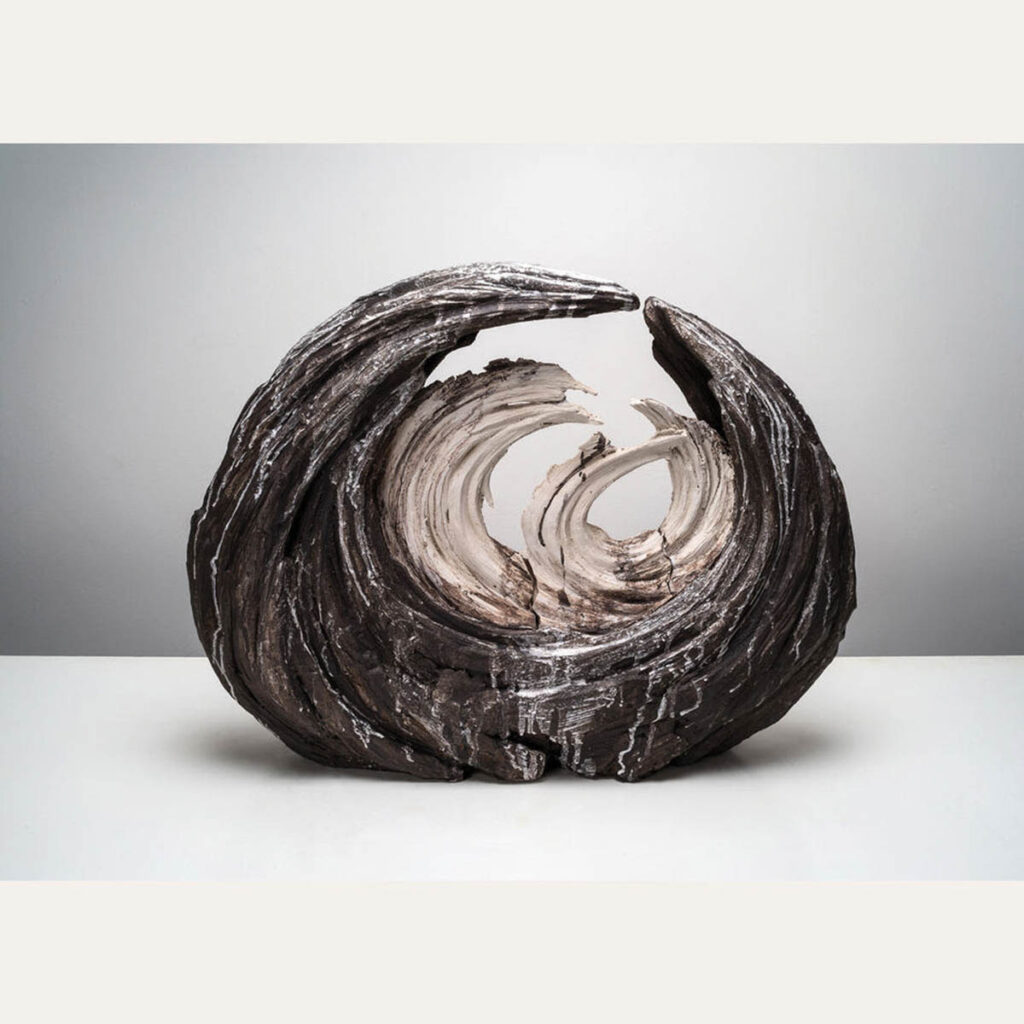
Understanding the Medium: A Foundation in Ceramics
Ceramics begin with clay—malleable, humble and ancient—transformed by fire into enduring works of art. The medium falls into three principal categories: earthenware, stoneware and porcelain, each with unique textures and personality.
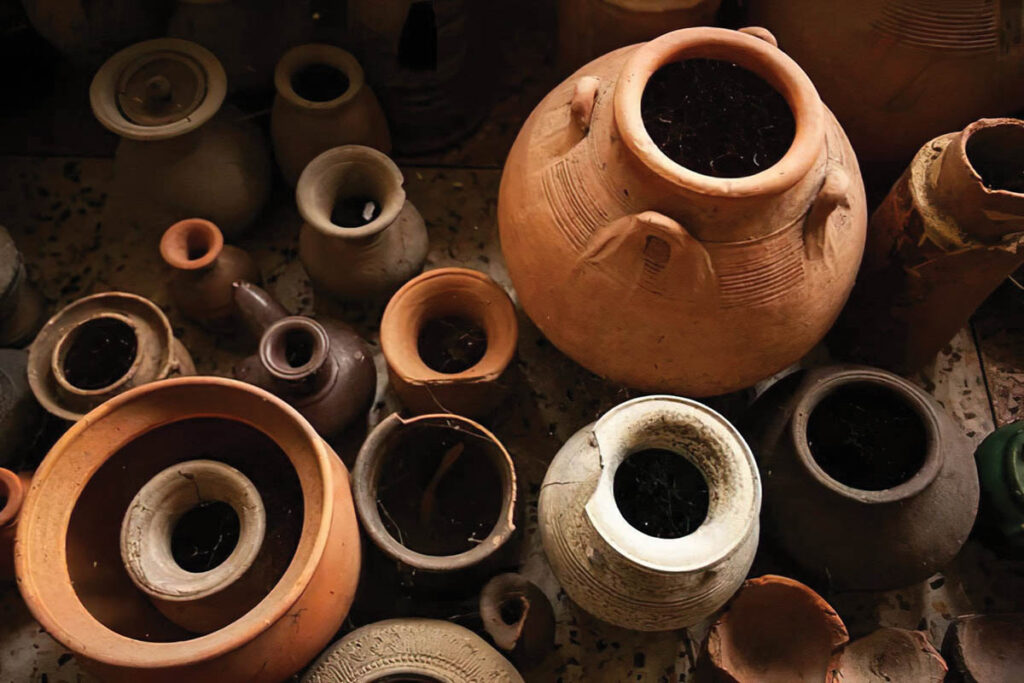
Earthenware, fired at lower temperatures, carries an earthy softness and warmth. It has been used across civilizations for functional vessels and expressive forms, and its tones enrich interiors with organic quietude.
Stoneware, fired between 1,200–1,300°C, is non-porous and remarkably durable. It is the backbone of both functional ware and sophisticated studio work. Japanese Oribe pottery—with its iconic green glazes, abstract brushwork and gentle asymmetry—beautifully illustrates stoneware’s marriage of utility and expressive design.
Porcelain, the most refined of the three, is fired at 1,300–1,400°C for a luminous, glass-like translucence. Originating in China during the Tang Dynasty, porcelain later captivated Europe and inspired storied manufactories such as Meissen and Sèvres.
Techniques such as wheel-throwing, hand-building and slipcasting each leave their signatures on the final form. Glazes—from the smoky crackles of raku to the serene jade tones of celadon—add another layer of artistry. When form, technique and glaze converge, the piece transcends craft and becomes sculpture.
Budgeting & Market Savvy: Balancing Passion and Prudence
A thoughtful ceramic collection grows from both intuition and informed decision-making. Understanding value, quality and long-term appreciation ensures your collection remains both meaningful and smart.
Entry Level
- Begin with contemporary makers whose craftsmanship is strong and rising.
- Smaller forms—cups, bowls, petite vases—offer accessible entry and strong presence.
- Attend open studios, university sales or ceramic fairs to discover emerging talent.
Mid Range
- Seek signed, limited-edition works from established studio potters.
- Explore focused traditions—Oribe, Scandinavian modernism, American studio pottery.
- Evaluate glaze quality, form refinement and condition to ensure value.
High End
- Consider museum-quality works or rare antiquities with strong provenance.
- Review documentation, exhibition history and authenticity.
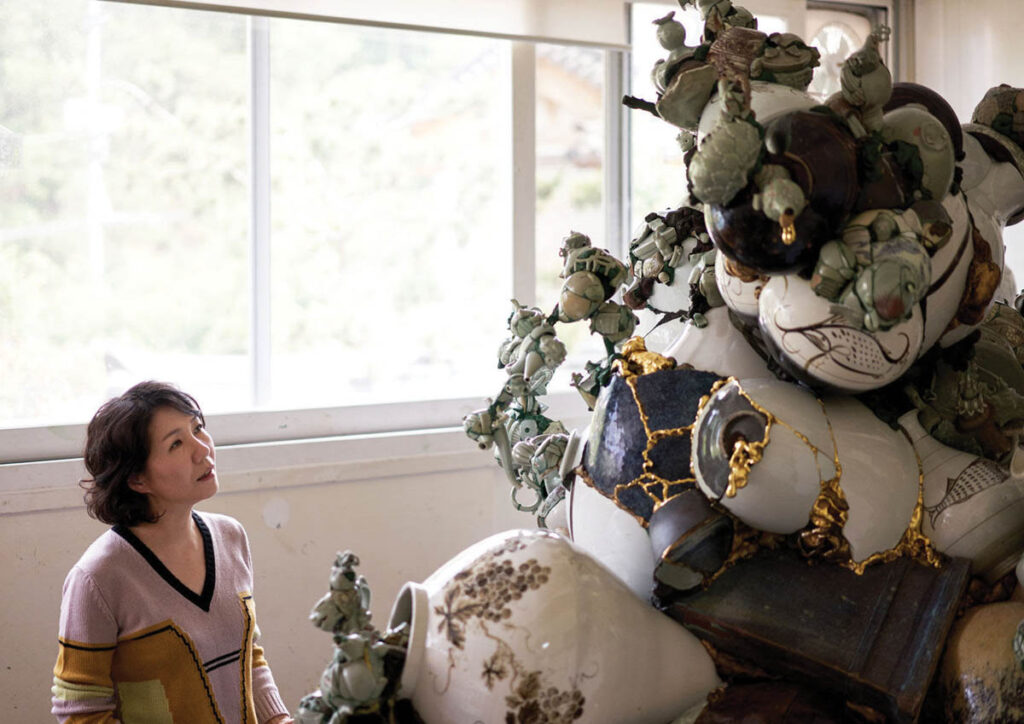
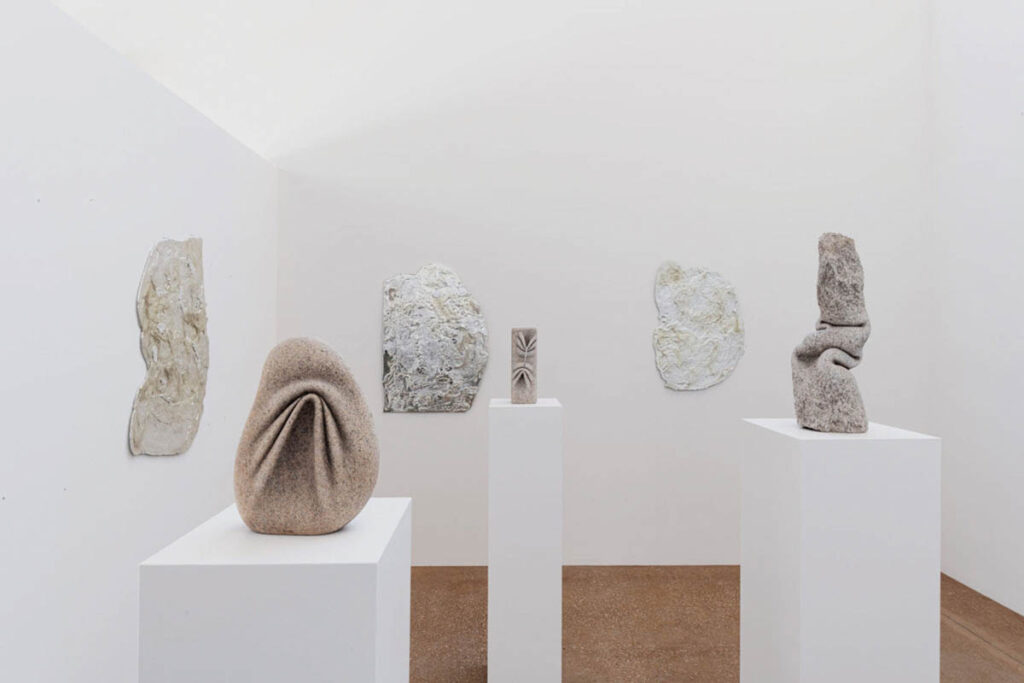
- Sculptural ceramics can function as architectural centerpieces with lasting investment potential.
Collecting ceramics is a journey of discovery and connection—each piece a testament to human creativity across time and culture. With curiosity, integrity and a discerning eye, your collection will enrich your home and inspire generations to come.
Faith Berger is a St. Louis-based artist, working in acrylic, mixed medium collage. Visit her website at faithberger.com, find her on Instagram faithberger.art, or reach her via email at faith@faithberger.com.