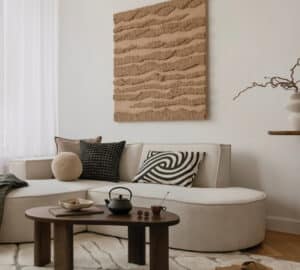

In this season of Beyond the Frame, we’ve explored how interiors are shaped not only by furniture but by atmosphere materiality and emotion. We’ve discussed ceramics and art glass, the importance of furniture placement and the growing desire to extend the home outward through outdoor rooms that reconnect us with nature.
Naturally, this conversation leads us toward sculpture, form and dimension. Today’s most compelling interiors are moving away from perfection and toward individuality—spaces that feel layered, collected and deeply personal.
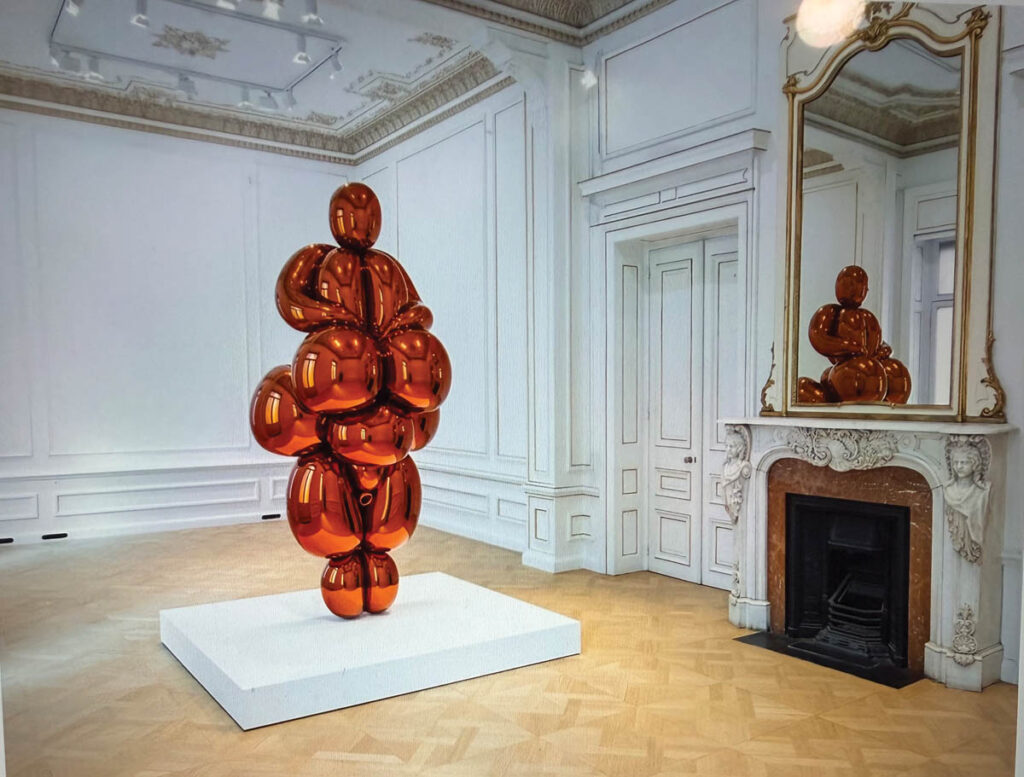
Sculpture Beyond Decoration
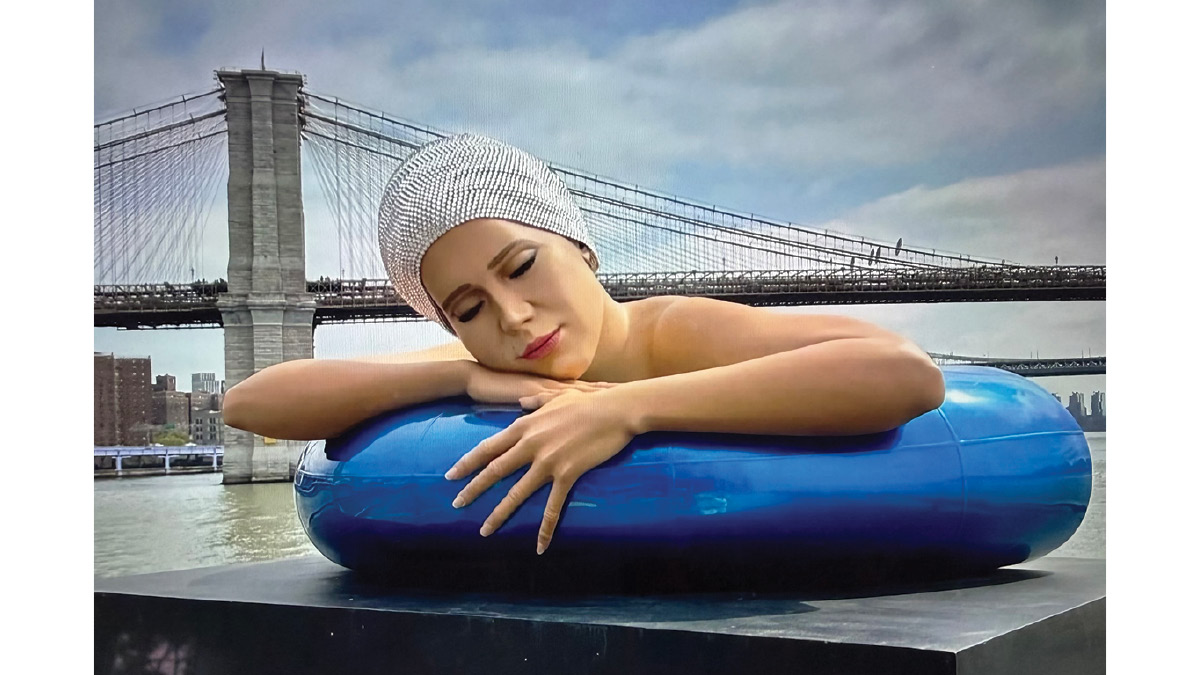
Unlike objects that merely decorate a room, sculptural forms introduce presence. They create movement, shadow, texture and visual pause.
Part of this shift reflects larger cultural changes. After years of increasingly digital living, people are gravitating toward environments that feel tactile and emotionally grounding. This movement is influencing everything from interiors to major art fairs, such as Art Basel where immersive installations and dimensional works continue shaping contemporary design dialogue.
Form, Scale & Emotional Presence
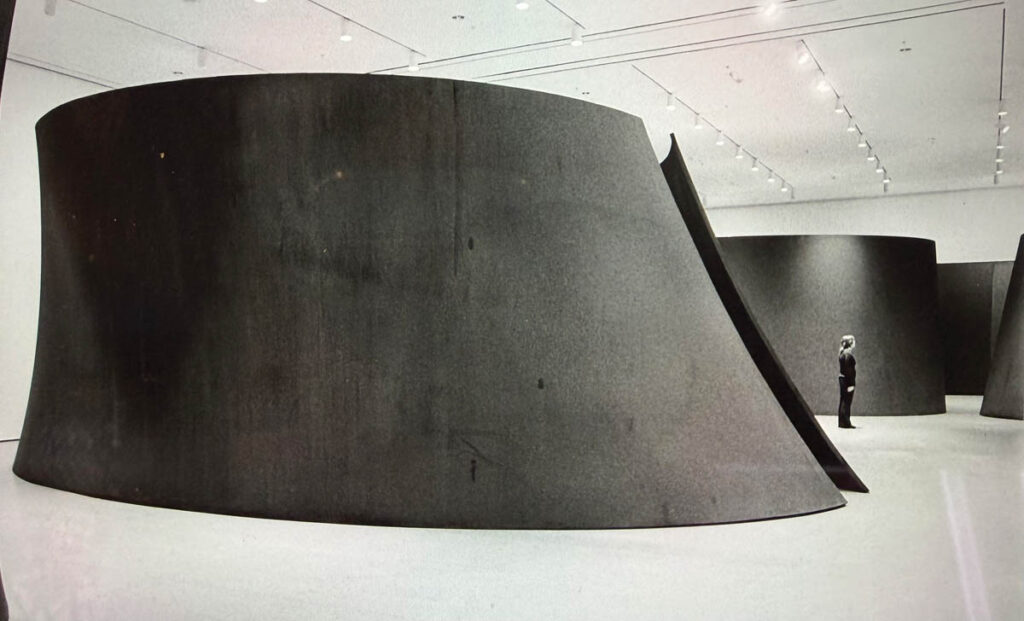
From the monumental steel works of Richard Serra to hand-formed ceramics and organic contemporary objects, sculpture continues to shape how we emotionally experience space.
A hand-formed ceramic vessel resting on a console, a sculptural bronze form illuminated at dusk or a carved stone object layered beside soft textiles can completely alter the emotional tone of a room. Increasingly, the most sophisticated interiors are not filled with more objects, but fewer and more meaningful ones.
St. Louis & The Dimensional Conversation
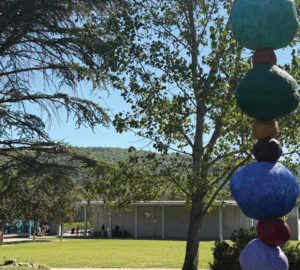
Here in St. Louis, events such as Counterpublic are drawing national attention through collaborative public installations that encourage interaction, reflection and connection. Institutions including Pulitzer Arts Foundation, Saint Louis Art Museum and Laumeier Sculpture Park continue to shape how we experience form, scale and space.
As St. Louis continues expanding its cultural dialogue through sculpture parks, museum exhibitions and public installations, the conversation surrounding dimensional living feels more relevant than ever. These experiences quietly reshape how we begin to see our own homes.
FAITH’S TIPS FOR LIVING WITH SCULPTURE
- Rather than searching for sculpture that “matches” a room, look for pieces that create contrast and conversation.
- Sculpture does not need to arrive on a pedestal to feel important. Some of the most compelling moments happen unexpectedly and quietly.
- Allow sculpture to interact with natural light whenever possible. Light and shadow reveal texture and dimension throughout the day.
- Outdoor sculpture should feel connected to the landscape rather than placed upon it. Weathering and patina often enhance beauty over time.
- One sculptural piece placed intentionally often creates more impact than multiple decorative accessories competing for attention.
Living Beyond Trend
The most memorable interiors are not simply designed — they are felt. Sculpture introduces stillness, dimension and emotional resonance in ways that transcend trends.
Faith Berger is a St. Louis-based artist, working in acrylic, mixed medium collage, and the co-author of It’s About Time, No. 1 on Amazon in Woman’s Survival. Visit her website at faithberger.com, find her on Instagram faithberger.art, or reach her via email at faith@faithberger.com.