
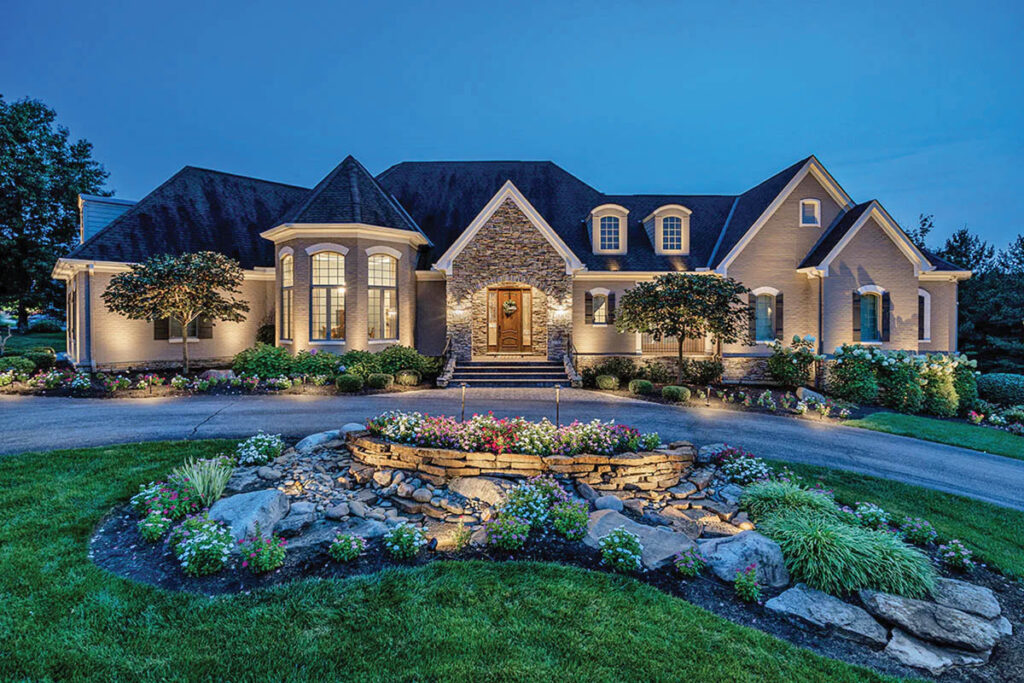
As the boundaries between interior and exterior spaces continue to dissolve, outdoor design in 2026 is no longer an afterthought—it is an extension of how we live, gather and restore. Today’s most compelling landscapes are conceived with the same intention as interiors: layered, purposeful and deeply connected to both environment and well-being.
Outdoor Rooms: A New Way of Living
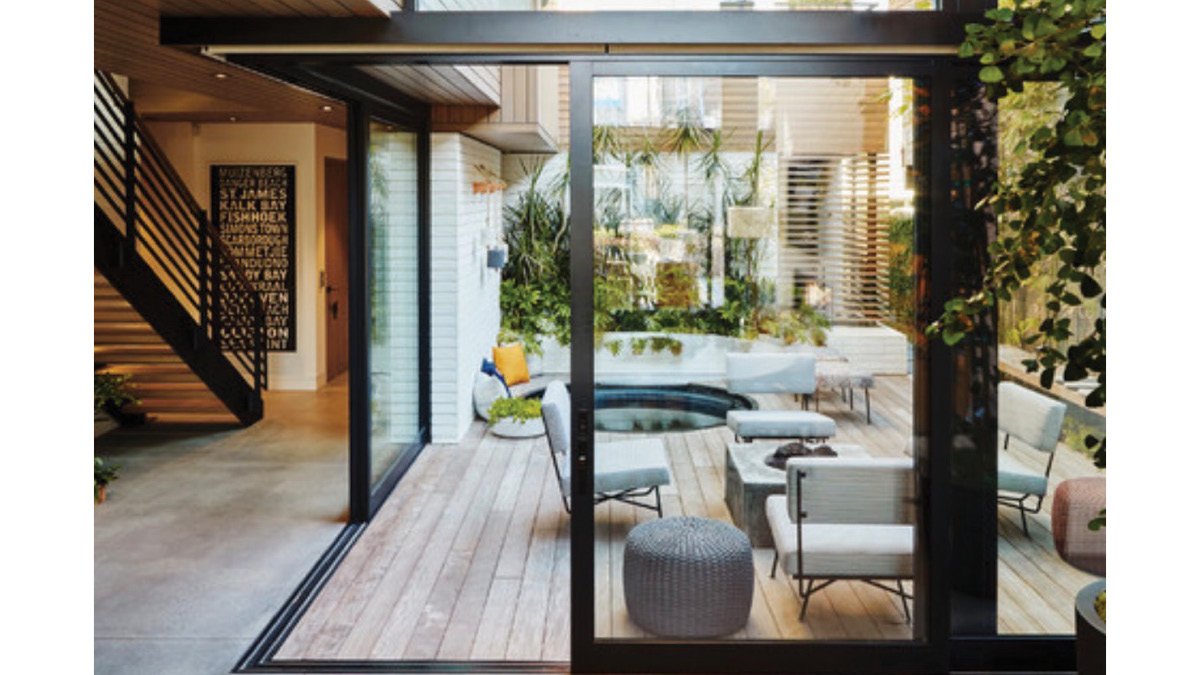
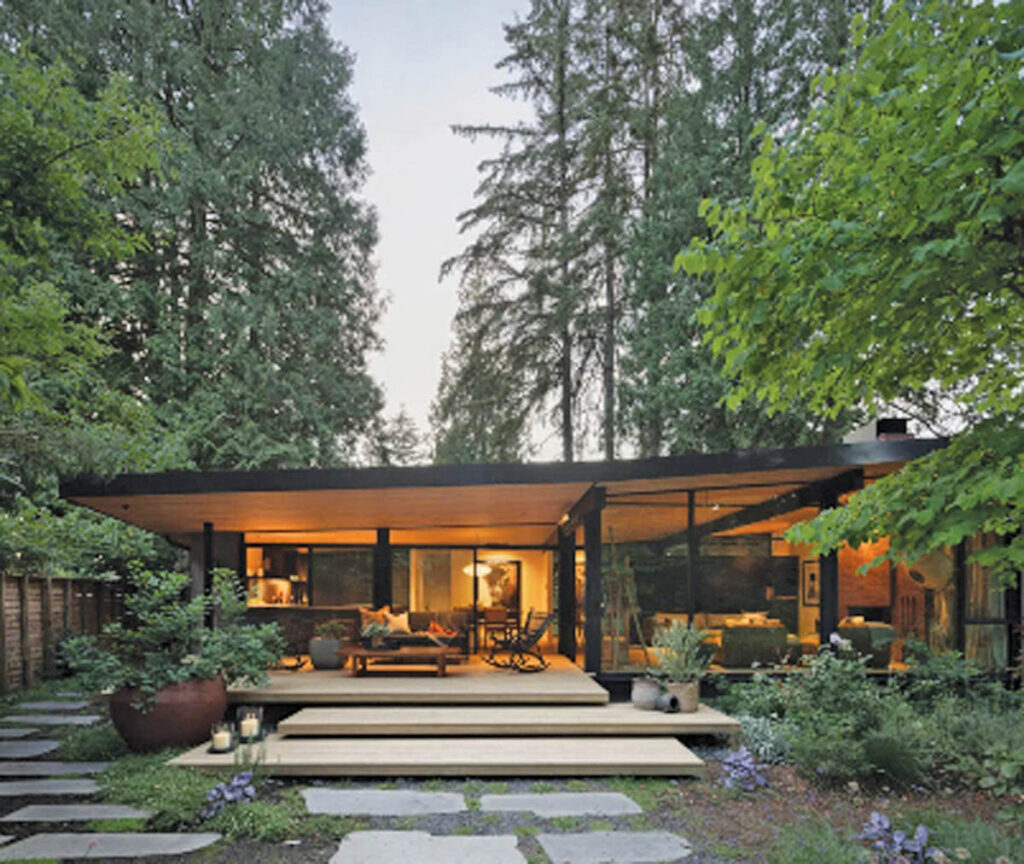
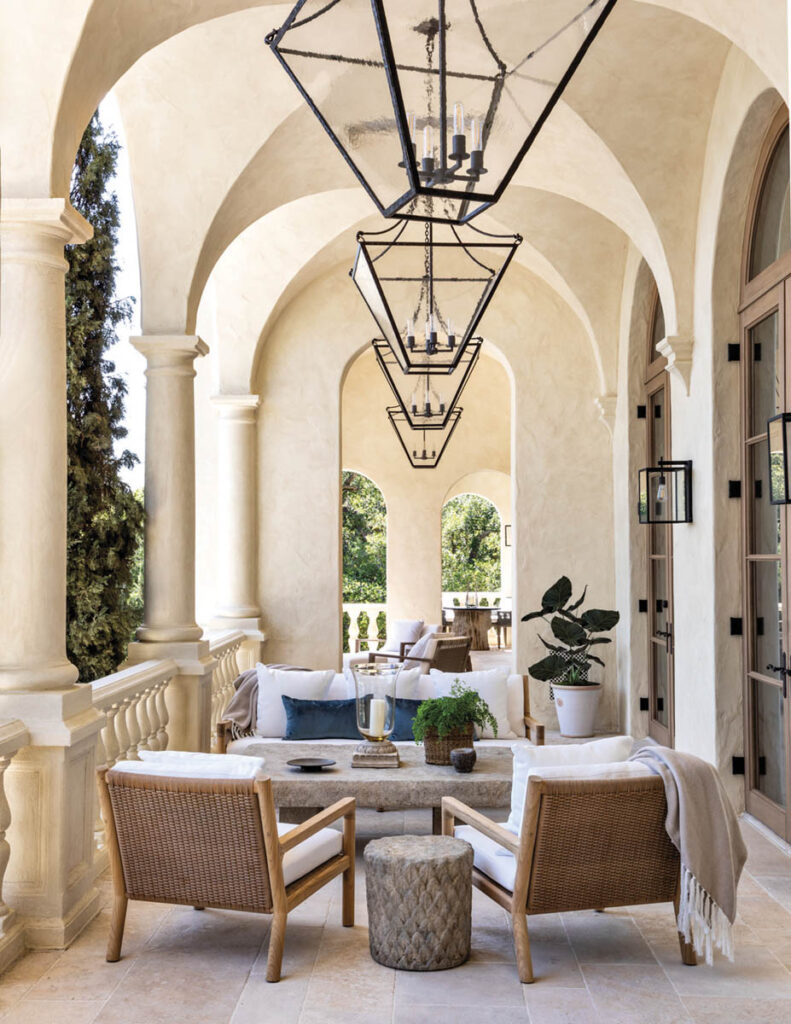
We are seeing a shift toward outdoor rooms—spaces that function as true extensions of the home. Whether it’s a dining terrace, a quiet garden for reflection or a fully realized outdoor kitchen, these environments are designed with structure, flow and emotional impact in mind.
Much like interiors, outdoor spaces are no longer created solely for function, but for how they make us feel—calm, connected and restored. These environments become a form of emotional architecture, shaping not only how we live but how we experience our surroundings.
Materiality & Form: Designing from the Ground Up
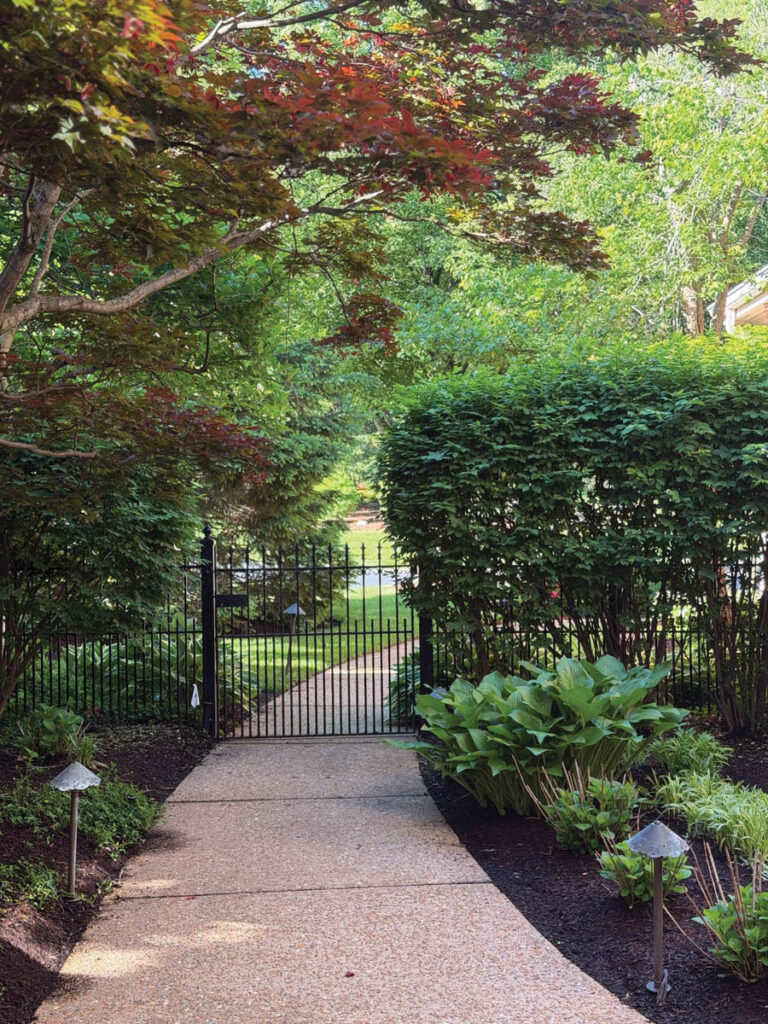
Just as we anchor interiors with art, rugs and lighting, the outdoors calls for its own foundational elements. Stone pathways, sculptural ceramics and thoughtfully placed plantings create rhythm and movement.
Inspired by Japanese design principles, restraint and balance become essential, allowing materials like natural stone, wood and clay to speak with quiet strength. As with collecting art, the most compelling outdoor spaces are curated rather than filled—each element chosen with intention, allowing texture, form and negative space to create harmony.
Sustainability as a Design Standard
Sustainability is at the forefront of landscape design. Homeowners and designers alike are embracing choices that support ecological health and long-term resilience. Native plantings, pollinator gardens and perennial-focused landscapes not only reduce maintenance but actively contribute to local ecosystems.
Designing with climate in mind is no longer optional—it is integral.
Technology, Quietly Integrated
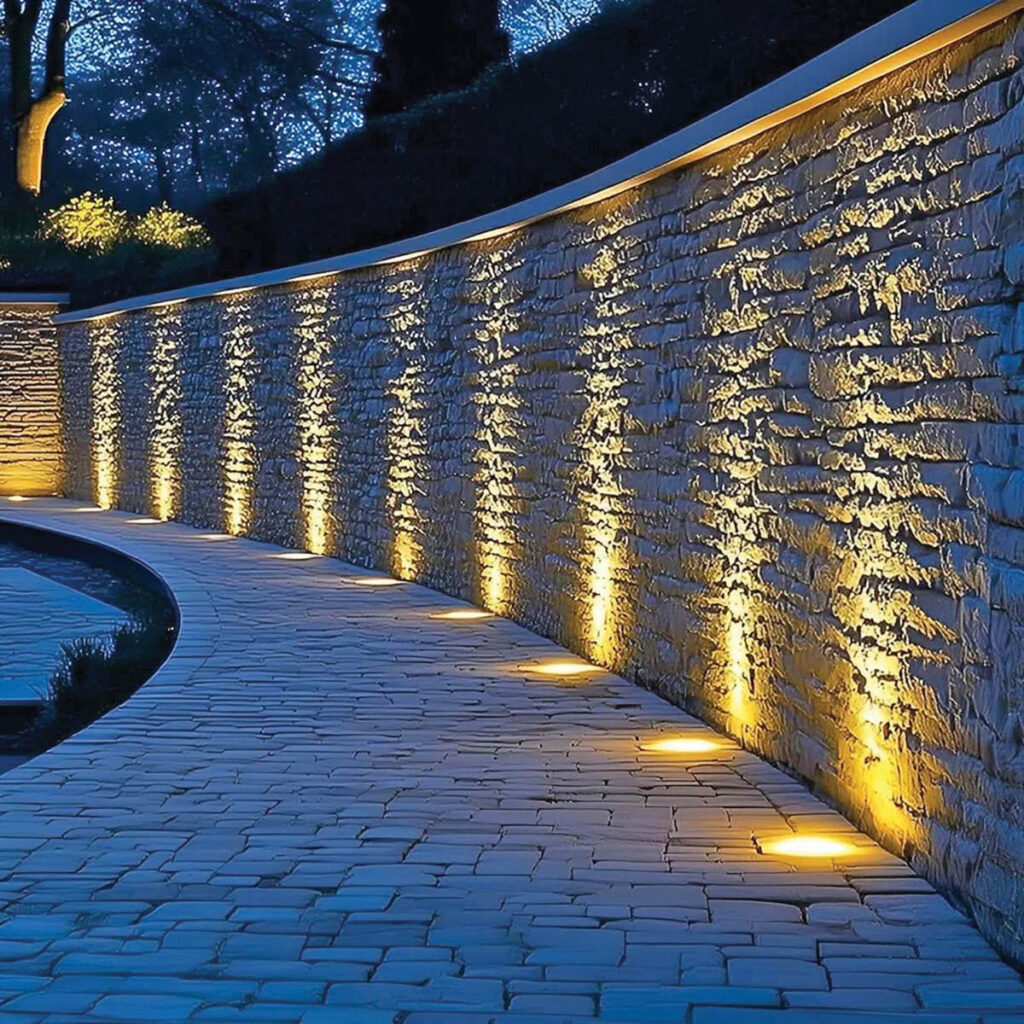
Technology plays a refined and increasingly invisible role. Smart irrigation systems monitor soil moisture and weather patterns, ensuring water is used efficiently. Low-profile lighting enhances ambiance while minimizing energy consumption, creating spaces that feel intimate, layered and quietly luminous after sunset.
Living Beautifully, Indoors and Out
Ultimately, these outdoor environments shape how we live. They invite us to cook, dine, gather and unwind, blurring the line between shelter and sky. A well-designed outdoor space is not just beautiful; it is restorative.
When approached with the same discipline and creativity as interiors, the result is a seamless experience—one that feels cohesive, elevated and deeply personal.
Faith’s Tips for Outdoor Living
- Think in “rooms” — Define spaces for dining, lounging and quiet retreat.
- Anchor with materials — Stone, wood and ceramics create structure and permanence.
- Layer plantings — Combine perennials with seasonal accents for depth and movement.
- Design for sustainability — Incorporate native and pollinator-friendly plantings.
- Use lighting intentionally — Subtle, low-profile systems create warmth without glare.
- Integrate technology — Smart irrigation and lighting enhance ease and efficiency.
- Embrace restraint — Allow negative space and natural materials to create calm.
Faith Berger is a St. Louis-based artist, working in acrylic, mixed medium collage, and the co-author of It’s About Time, No. 1 on Amazon in Woman’s Survival. Visit her website at faithberger.com, find her on Instagram faithberger.art, or reach her via email at faith@faithberger.com.