
When preparing a home for the market, one of the key steps is staging. But what exactly does that entail? We’ve got some simple tips to highlight your home’s strengths so it shines for buyers—both indoors and outdoors.
outdoors
- Paint your front door. Your front door is a big part of your home’s first impression, and a fresh coat of paint can have a big impact. Black is the classic choice, and navy blue is another neutral option. If you’re looking to add some flair, consider red, yellow or sage green. When picking your color, make sure you look at it in natural light. If you pick it based on how it looks indoors, you’re not going to get an idea of the final look.
- Add seating areas. The inclusion of seating areas allows potential buyers to envision how they might use your outdoor spaces. If you have a front porch, consider adding a rocking chair, porch swing or bistro table. For the back patio, you may add an outdoor sectional paired with a coffee table or chairs and a side table. It will make your spaces feel cozier while also highlighting their versatility.
- Update the lighting. Outdoor lighting plays an important role. It not only adds ambience, but it’s also important for safety. Use lighting to highlight the impactful features of your front yard, such as up-lighting a tree or spotlighting your home’s address numbers. Make sure any paths or other high traffic areas are well lit to avoid accidents. Solar lights, lanterns and pathway lighting all offer the perfect blend of function and style.
- Clean up landscaping. If your yard looks overgrown, it’s going to be a distraction. Go with a clean, manicured look. Make sure the grass is mown, plant beds are weeded, and fresh mulch has been added. If you’re worried your landscape is lacking, potted plants and seasonal flowers can be an easy way to add dimension and color. Use them to frame your entryway and freshen the exterior.
- Create a welcoming path. A walkway leading straight to your home’s entrance will welcome potential buyers. Clean up any existing path with fresh landscaping and lighting. If you don’t already have one, you can easily add one with large pavers or stones.
indoors
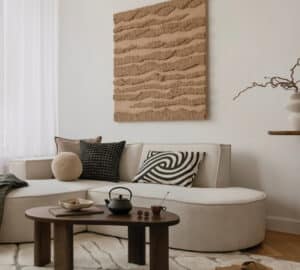
- Limit the color scheme. Color can add a lot of life to a home, but when it comes to staging, it can make a house look chaotic and visually noisy. Make your home more neutral by focusing on black, white, grey and beige as the foundation for your color palette. This does not mean you can’t use color anywhere, but show restraint. Pick one color story per room. This can be a single color or a complimentary pairing of a few hues. You want potential buyers to be able to envision themselves in your home.
- Focus on symmetry. We naturally find symmetry and repetition aesthetically pleasing. A quick and easy way to elevate the design of your home is to fall back on these design principles. Symmetry creates a sense of calm and order, while also making spaces feel more spacious and luxurious. Create a central focal point, such as a fireplace or bed, and balance your staging around it to create a visually appealing environment.
- Add an office space. Spots dedicated to schoolwork or working from home are a big plus. Attract buyers by creating a home office. You don’t have to dedicate an entire room if that’s not viable. Add a desk space to a bedroom, the kitchen or a corner of the living room. You can even get creative with places like closets, under the stairs or the upstairs landing.
- Show off storage. Your closets might not be the first thing to come to mind when staging, but storage is a big priority for buyers. Declutter your closets and cabinets. Organize the remaining items in baskets, bins or other storage systems to highlight the versatility of these spaces. You also want to consider adding potpourri sachets to clothing and linen closets, so buyers are greeted by a fresh smell when they take a peek inside.
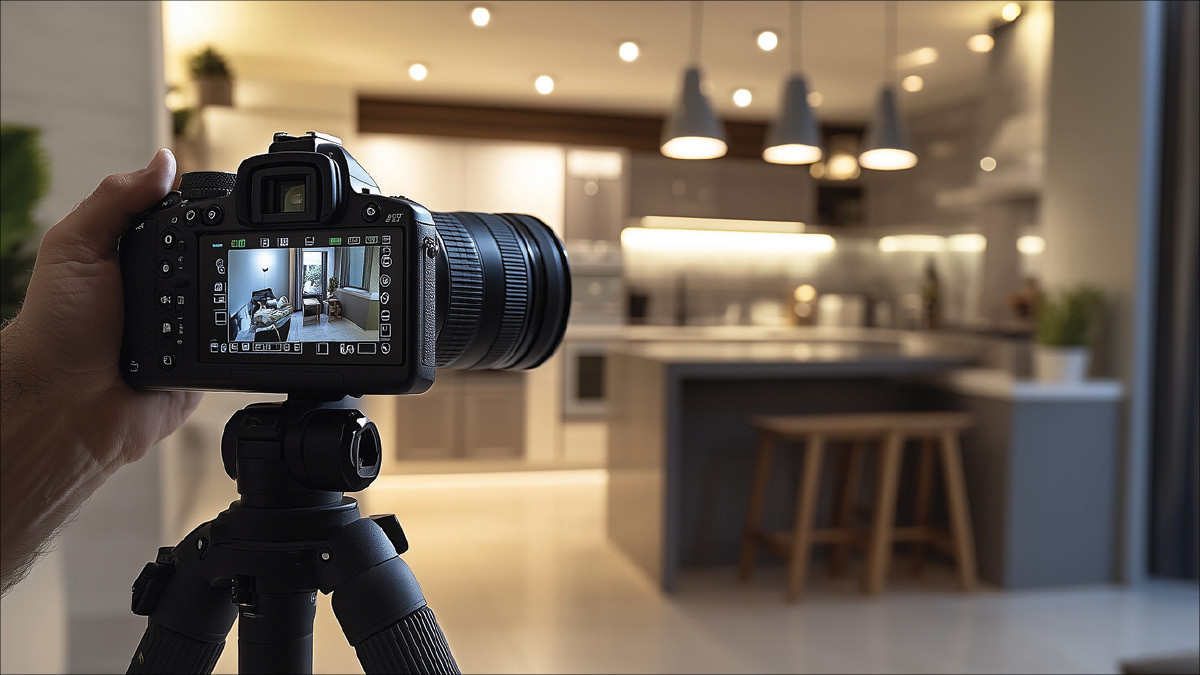
- Consider the camera. A big part of listing your home is the photos. When staging, you’ll want to think less about function and daily living and more about how spaces will look in photographs. What angles look right to show off the best features of the house? How is the lighting? Luckily, you’ve got a camera in your pocket, so take the time to look at your work through its lens. It will help you see any errors.