

Sometimes, it can be easy to become set in our ways. We fall into routine and forget about the benefits of stretching ourselves outside of our comfort zone. As we age, it’s especially important that we don’t forget to explore new things and stay engaged. Hobbies aren’t just a way to fill time—they can have major benefits for our physical and mental health.
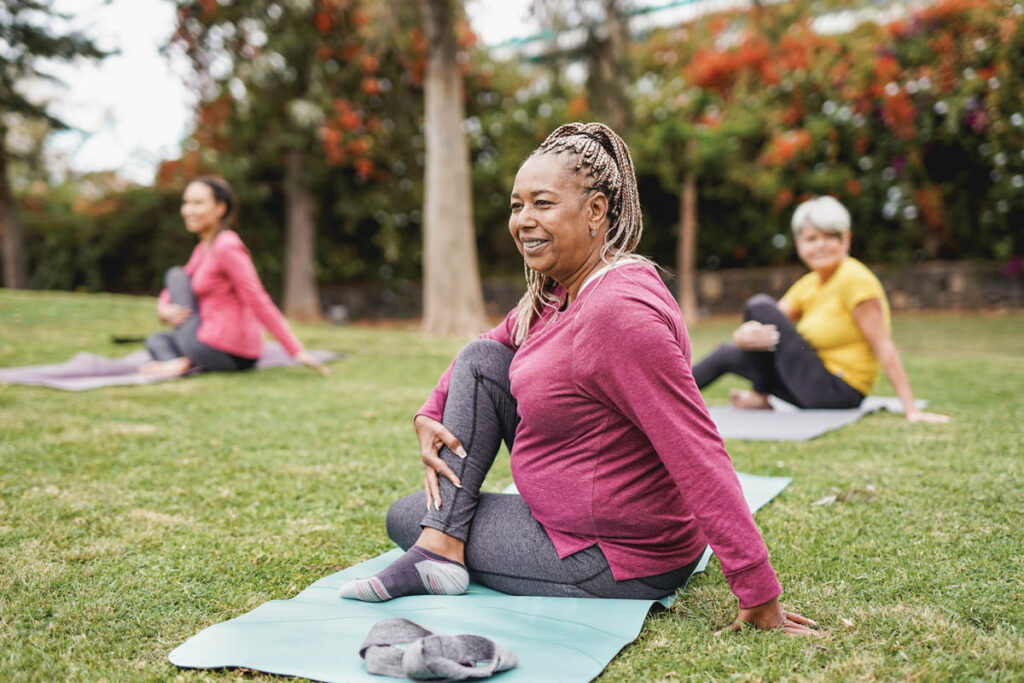
yoga
Yoga is a hobby that research shows can have big benefits for seniors. As we age, we naturally lose bone density. Research has found that as a weight-bearing activity, yoga helps slow bone thinning, reducing the risks of osteoporosis, particularly among postmenopausal women. It also can help improve your joint health, protecting you from disorders like carpal tunnel syndrome and arthritis. Falls are another serious issue that older adults face—according to AARP, they’re the leading cause of injury, with a senior visiting an emergency room for fall-related treatment every 11 seconds. With its slow, measured movements and strength-building component, yoga helps improve balance, tone muscle and increase proprioception, or awareness of position in space.
Along with physical benefits, yoga can help improve mental health. Studies have shown that regularly practicing yoga can lead to reduced anxiety. It induces a relaxation response that reduces your heart rate, lowers blood pressure and eases respiration. This can help moderate your body’s response to stress. Yoga also can improve cognitive function. Studies have shown that it has a greater impact on enhancing mood than other forms of exercise thanks to a boost in the production of the brain chemical GABA, which helps calm nerves.
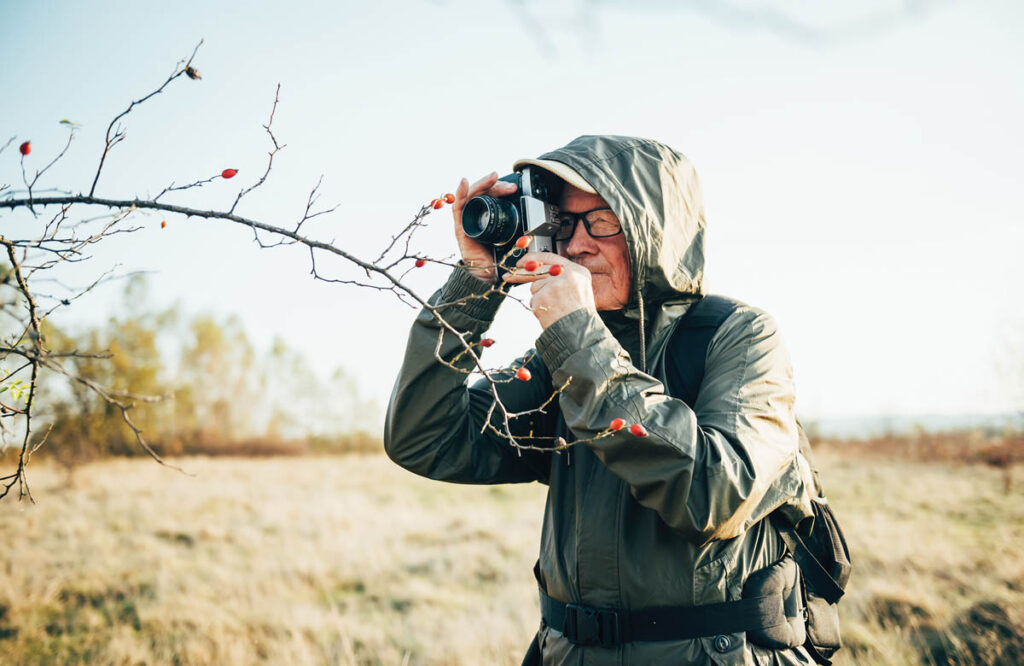
photography
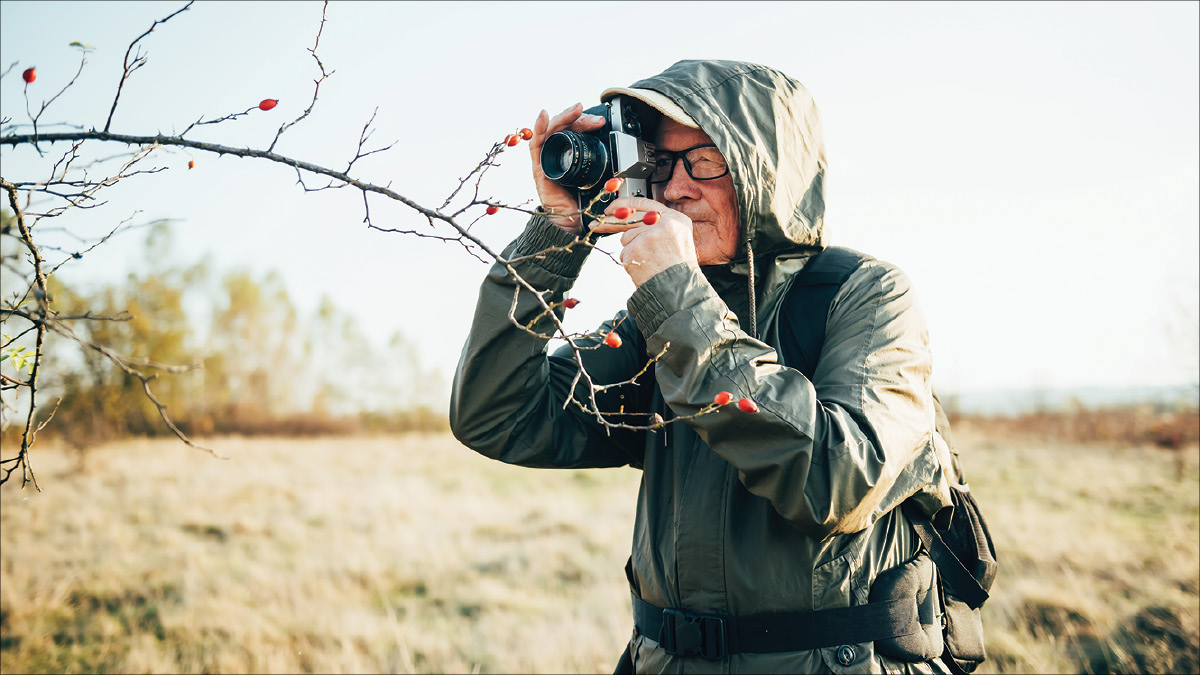
Thanks to smartphones, photography is one of the most accessible forms of art—we carry a camera around with us all of the time! Creative expression is great for physical and mental well-being. Research indicates that it offers aging adults a sense of purpose, while helping maintain concentration, improving coordination and boosting mood. Creating art as part of a community through clubs or classes also is a great way to combat the increased isolation that can accompany our later years.
Photography in particular often gets you out of your home and into nature, encouraging physical activity. It also comes with the bonus of capturing memories, and it can aid in your cognitive health in several ways. Not only can it be enjoyable to look back at photos you’ve taken, reviewing them can help combat cognitive decline and aid in recollection. Additionally, learning new skills and mastering techniques can strengthen abilities like memory and focus.
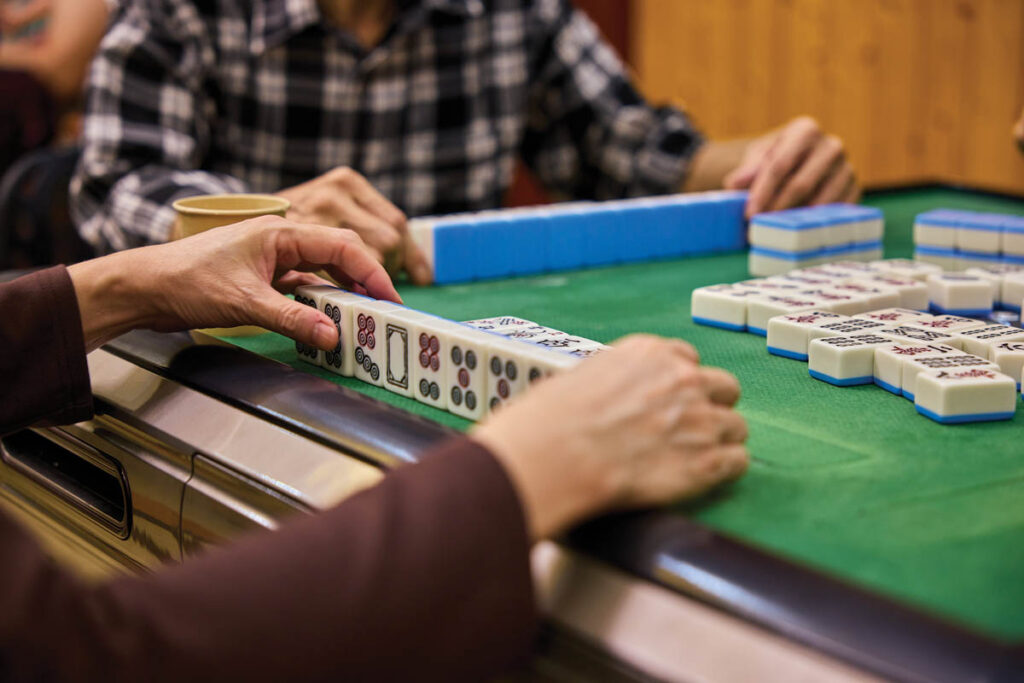
mahjong
Mahjong is growing in popularity in the U.S.—and it’s not hard to see why. It’s more than just a fun pastime, the game can have several mental, social and physical benefits, especially for older adults. Whether you’re a beginner or an expert, tackling this tile game regularly can make a positive impact. There are many variations, but most feature four players using tiles to create certain combinations. A mahjong set usually consists of 144 tiles based on Chinese characters and symbols. At the start of a game, each player usually receives 13 tiles. In turn, they draw and discard tiles until they have a winning combination.
Research suggests that regularly playing mahjong can help slow cognitive decline, improve executive function and decrease the risk of conditions like dementia. The patterns and strategies associated with the game can help sharpen both short- and long-term memory. Playing also requires concentration and strategic thinking, so it’s a great way to improve attention and reinforce problem-solving skills, which can decline with age. As a bonus, mahjong is a great way to connect socially, and it can provide the opportunity to relax and destress.