

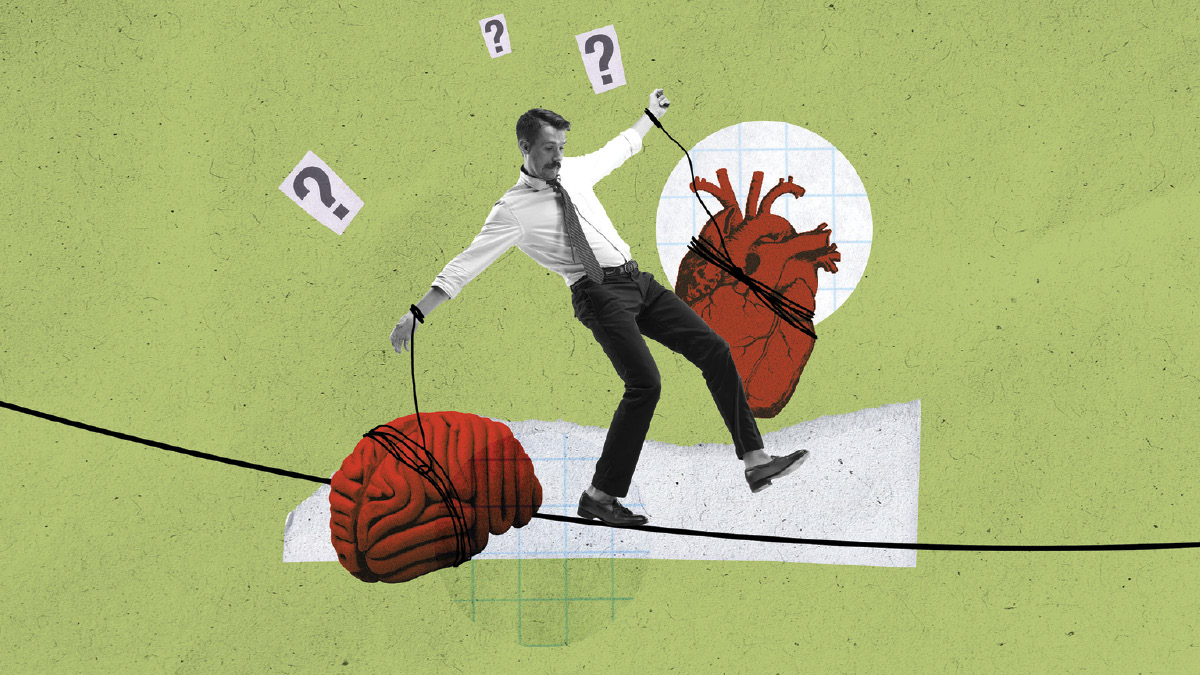
None of us are strangers to stress. From the classroom to the boardroom to the family room, stressors are all around us. Not only are they, well, stressful, but over time, they can have a big impact on our heart health. Stress has been linked to an increased risk for cardiovascular disease. Taking time to destress can help lead to a healthier version of you, both mentally and physically.
Is stress always a problem?
Stress can be beneficial. When faced with a daunting situation, your body releases adrenaline and cortisol. The hormones cause your heart rate to speed up, your breathing to increase and your blood pressure to rise. Known as our “flight or fight response,” these reactions prepare you to overcome the problem. It can even be life-saving in the face of danger. Long-term stressors, such as financial hardships, unhappy relationships or difficult work environments, can result in consistently high levels of stress hormones. The body never gets the chance to recover, and that can have a severe impact both mentally and physically.
How does stress affect the body?
Perhaps the most recognizable impact is the one it has on our mental health. The psychological effects can manifest in many ways, such as aggression, irritability, exhaustion, sadness and difficulty focusing. If left unchecked, stress can lead to larger problems, such as depression, anxiety or burnout. Long-term stress affects all systems of the body, including musculoskeletal, respiratory, cardiovascular, endocrine, gastrointestinal, nervous and reproductive.
When is stress chronic?
Unlike acute stress, chronic stress is a prolonged and pervasive feeling of pressure or being overwhelmed. It lasts for a matter of weeks or even months. Often it is caused by multiple factors, not a single event—such as being worried about a job interview, an upcoming deadline or a recent fight.
Does managing stress help heart health?
Research has linked chronic stress to cardiovascular disease. This correlation is likely for a variety of reasons. For example, stress raises your blood pressure, increasing the risk of heart attack or stroke. Stress also can lead to unhealthy coping mechanicisms, such as overeating or smoking, which in turn put you at greater risk for a cardiovascular event. Taking steps to manage your stress can help improve your health outcomes across the board, including your heart.
how the body reacts to stress
Stress can lead to negative habits that may increase your risk for stroke and heart disease. These behaviors include:
- Overeating
- Smoking
- Low physical activity
- Poor diet
- Poor weight management
- Lack of adherence to medication regimens
signs that stress is taking a toll
- Lack of energy
- Disrupted sleep
- Irritability
- Forgetfulness
- Headache
- Back strain
- Stomach pain
- Rashes
how to combat stress
- Take time for activities you enjoy. Even if it’s only for 10 or 15 minutes, doing something simple that makes you feel good can help relieve stress. Play with your kids or pets, catch up with a friend, stretch and move, garden or read a book.
- Get active. No matter your athletic prowess, physical activity can be a stress reliever. It gets feel-good endorphins pumping along with other neural chemicals that boost your sense of well-being. Exercise also can help refocus your mind off of stressful situations.
- Eat better. When we’re stressed, we may crave junk food or other comfort dishes. This can actually heighten the negative side effects of stress because our bodies are working overtime, so we need more nutritious food to meet the demand. Avoid stress eating and try to maintain a healthy diet of regular meals.
- Aim for seven to nine hours of sleep. Stress can lead to bad sleep, which in turn can increase the negative effects of stress. To sleep better, opt for a dark and quiet environment, avoid too much physical activity close to bedtime and don’t eat or drink before you go to bed.
- Try different wellness therapies. Stress interventions include acupuncture, infrared sauna sessions, meditation, yoga and breathing exercises.
- Start a journal. Writing is a great way to manage stress. It can also help you sleep better. Write down what’s on your mind before bed and then set it aside for the next day.
- Take time for family and friends. Social connections can be very beneficial. Spending time with loved ones can distract you from stressors, or they can offer a sympathetic ear for you to vent your frustrations to.
- Defuse your stress in the moment. When faced with a stressful situation, take steps to calm yourself down. Try counting to 10, listening to chill music, taking three deep breaths using belly breathing or walking away from the situation for a while.
Source: American Heart Association