

ai and alzheimer’s | A global consortium co-founded by Washington University School of Medicine is bringing together academia, major pharmaceutical companies and philanthropic organizations. The Consortium for Biomedical Research and Artificial Intelligence in Neurodegeneration (C-BRAIN) has launched three open-source AI tools that are designed to accelerate Alzheimer’s research. “The brain is immensely complex, but artificial intelligence inspired by the human brain can find relationships within massive amounts of data that a single human mind simply cannot hold,” says Dr. Randall J. Bateman, the Charles F. and Joanne Knight Distinguished Professor of Neurology and founder of C-BRAIN. “Our expectation is that discoveries made over the next few years will be breakthroughs that wouldn’t be possible without AI.”
expanding maternal care
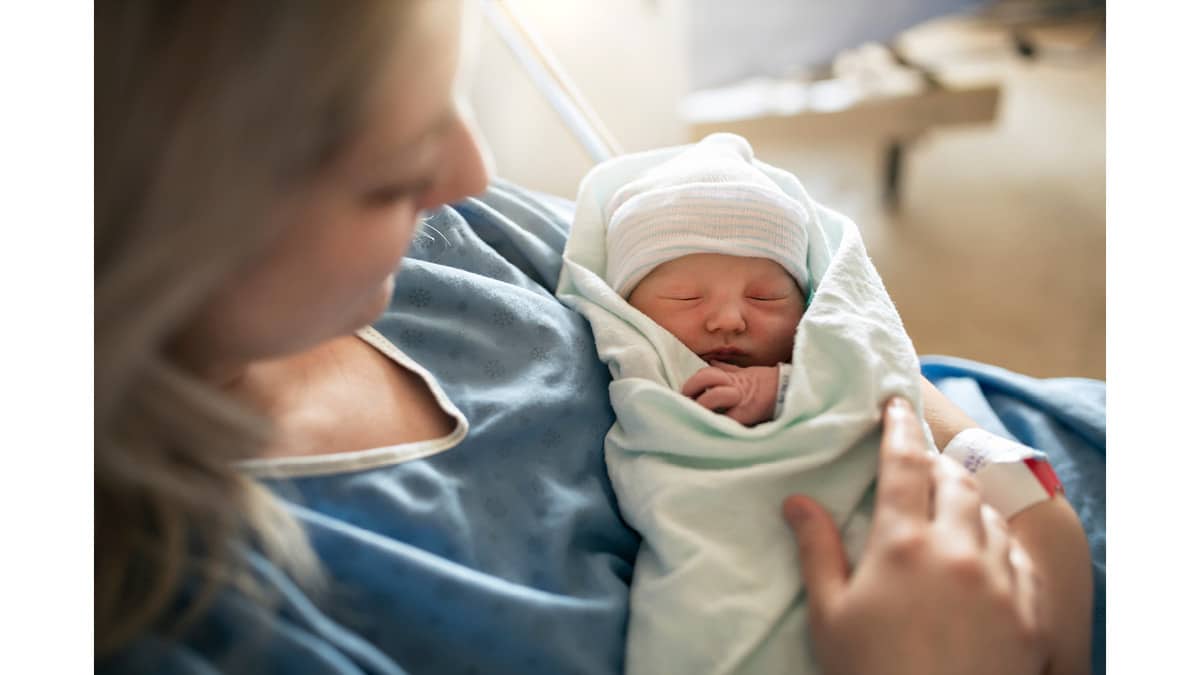
SSM Health has announced it will open the region’s first fully integrated maternal and newborn care center. Located in the new SSM Health Cardinal Glennon Children’s Hospital, the center will include labor and delivery services as well as a Level IV neonatal intensive care in one coordinated setting, allowing mothers and newborns to remain together in the same private room. “When clinically appropriate, the couplet care model allows mothers and newborns receiving intensive care to remain together in the same private room, supporting bonding, breastfeeding and maternal well‑being while maintaining the highest standards of clinical safety,” explains Dr. Hossain Marandi, MBA, FACHE, president of SSM Health Cardinal Glennon Children’s Hospital and system vice president, Pediatric Services. The center is expected to open in late 2027.
supercharging cancer medication
Researchers at Washington University School of Medicine have made breakthroughs with modern anticancer medications. Tumor-fighting drugs are often given to patients for whom chemotherapy has not worked because they only target one type of cancer cell at a time, limiting their effectiveness. The team has shown it’s possible to increase the potential effectiveness of these drugs so they self-assemble in the body and attack more than one target. “We’ve shown that when two cancer-targeting antibodies bind together inside the body, they accumulate at the tumor more effectively and improve treatment response,” says Patrícia M. Ribeiro Pereira, Ph.D., an assistant professor of radiology. “There is a lot of excitement here because we have shown that it isn’t necessary to create a whole new drug platform for each therapeutic target.”
endoscopy options
Mercy Kids has launched sedation-free transnasal endoscopy (TNE) for select patients, including kids. The procedure enables doctors to examine the upper digestive tract while patients remain awake, using a narrow, flexible scope inserted through the nose rather than the mouth. It eliminates the risks and reduces recovery time related to anesthesia for patients 5 years and older. “Sedation‑free transnasal endoscopy gives patients a safe, efficient option for evaluating upper GI concerns while getting them back to their daily activities much more quickly,” says Dr. Ryan Pitman, pediatric gastroenterologist. “It reflects our commitment to providing innovative care to prioritize accelerated therapies, comfort, safety and convenience.”