
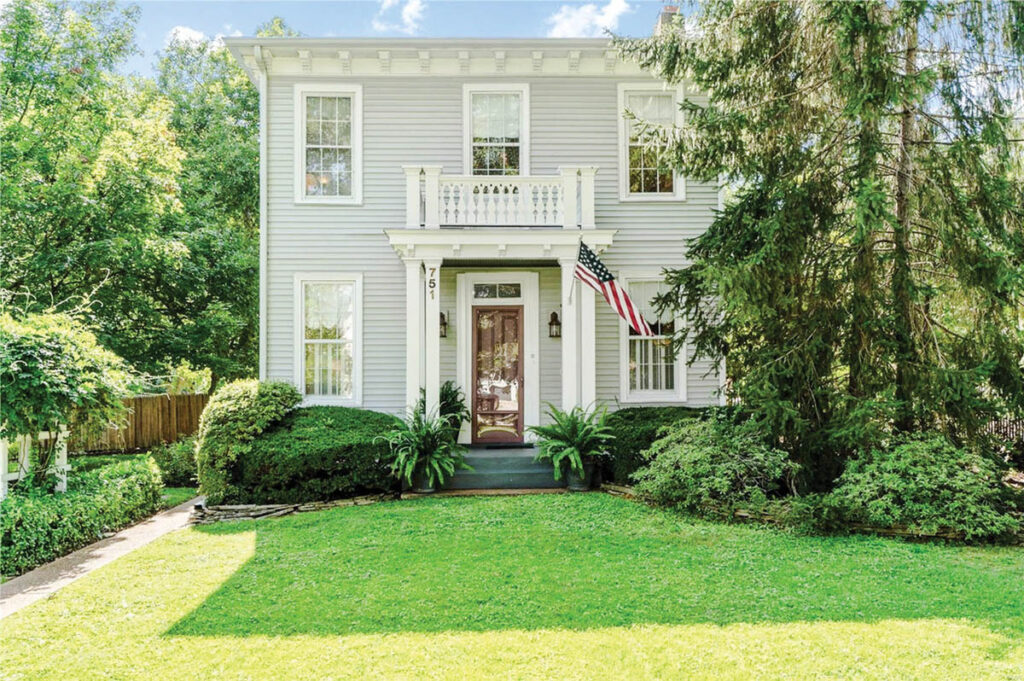
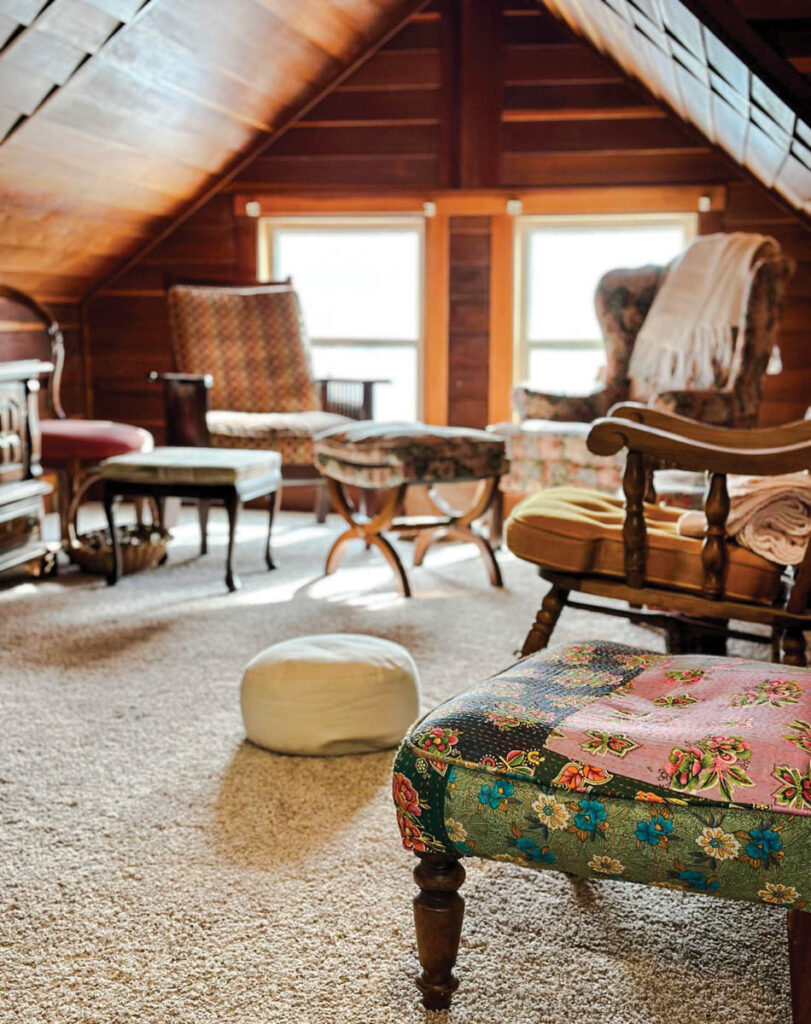
kirkwood | A kerfuffle has been brewing in this fine suburb, touching nerves about preservation, property rights and civic process. The controversy surrounds an antebellum home at 751 N. Taylor Ave. in the North Taylor Local Historic District. The current owner wants to raze it, claiming it’s unlivable, but a previous owner who’d lived there for almost 50 years begs to differ. She has said that more than $1.3 million was invested in maintenance and updates and argues the property is fully compatible with modern living. A nine-month demolition stay granted for the Marquitz-Garesche House, built in 1858, expired Feb. 23, at which point demolition could proceed unless blocked by the city’s Landmark Commission. The outcome depends on whether the commission denies or allows the demolition request. It’s not clear what type of home the current owner could build on the lot were the demolition to be given the thumbs up by the city. Meanwhile, many neighbors and city residents at large are having none of it, but it remains to be seen whether their opposition efforts—not to mention Kirkwood’s preservation codes—have teeth. A Change.org petition is calling on the city to stop the demolition. That may be as effective as wearing a protest T-shirt. A GoFundMe fundraiser is active to support potential legal action to block demolition and clarify whether the city is acting lawfully under its preservation codes. The fundraiser states online that more than 1,000 people have signed a petition in support of saving the house. But signing a petition and writing a check are two completely different actions. Kirkwood is caught between a brick and some hard wood here. What’s the effectiveness of historic district protections? What sort of new construction is allowable in districts so designated? This 168-year-old house has been cited alongside other recent preservation losses throughout the metro, contributing to a wider debate about how cities balance private property rights and historic preservation.

grandel theatre
Gimme Shelter, the title of a Rolling Stones song, is the perfect name for a classic rock concert at 7 p.m. March 14 to benefit Gratitude House, a nonprofit providing an elevated sober-living program for women in early recovery. It’s the latest in a concert series to raise funds and support to continue the mission of the only such facility in the county. When the Jason Nelson Band, a high-energy St. Louis cover band, hits the stage, you’ll think you’re hearing the Beatles and the Stones, the Eagles and Elton John, Hendrix and Bowie and other rock giants at the Grandel Theatre in Grand Center. Gimme Shelter continues a tradition that began in 2019 when a group of women in 12-step recovery launched the concert series to address the lack of quality living options for newly sober women trying to rebuild their lives. The concerts helped raise enough so that a beautiful, three-story Victorian home in Ferguson could be purchased, opening in December 2023 as Gratitude House. Women with at least 30 days of sobriety who are committed to 12-step recovery can be considered as residents and receive daily structure, professional guidance and neuroscience-based educational programming while paying just $125 per week in rent, which includes utilities and therapeutic support. The program is rooted in accountability, employment, community service and spirituality as the tools to reduce relapse and support long-term recovery. The organization also offers educational speakers, retreats and other community gatherings. Today, Gratitude House operates at or near capacity—demonstrating both the success of its unique model and the ongoing need for high-quality holistic aftercare. Proceeds from Gimme Shelter will support the organization’s operating costs and future growth as it works to serve more individuals in early sobriety. To learn more about Gratitude House, drop by gratitudehousestl.org; for tickets, visit metrotix.com/events/detail/gratitude-house.
u. city
The dust is beginning to settle inside and out of two major U. City projects at the western end of the Delmar Loop. Meanwhile, two projects in what we’ll call the Costco district, in the extreme northwest corner of the city (just inside I-170) at Olive Boulevard, will continue apace for an opening sometime in the next few months. One of the Loop projects means the police department will have moved from the ‘temporary’ trailers where it has been operating for about 10 years. The historic Annex and Trinity buildings are on the north side of Delmar directly behind city hall. The Annex has been rehabbed into a contemporary facility for the police department. Trinity will be primarily dedicated to municipal courts, house city staff and have space explicitly for community events. Phase II of the project will consist of parking lot improvements, landscaping and the addition of accessible routes, such as sidewalks. In the Costco district a grocery store and another big-box store both are being readied for opening in late spring or early summer. Dierbergs, directly across Olive from Costco, is on track to open this spring. Further east, and north of Olive, the region’s largest Target store should open in the same time frame. Rapidly growing demands for store pickups have been built into the parking lot design, while lots at other stores had to be retrofitted for this purpose.
notable neighbors
forest park
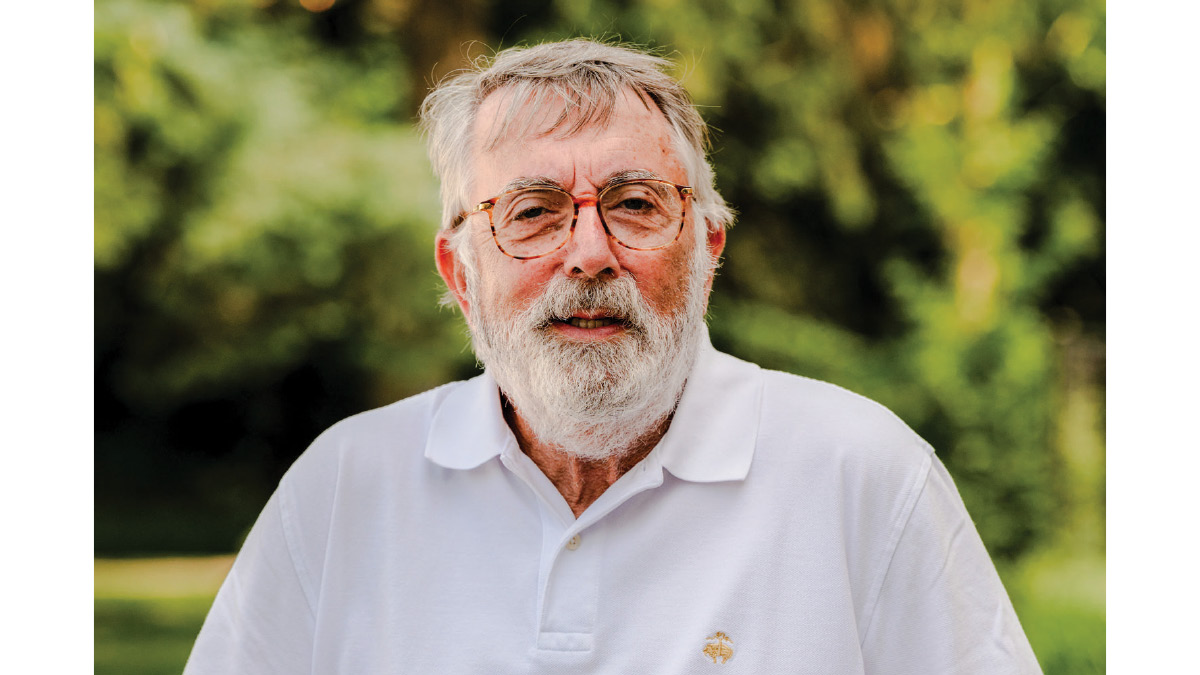
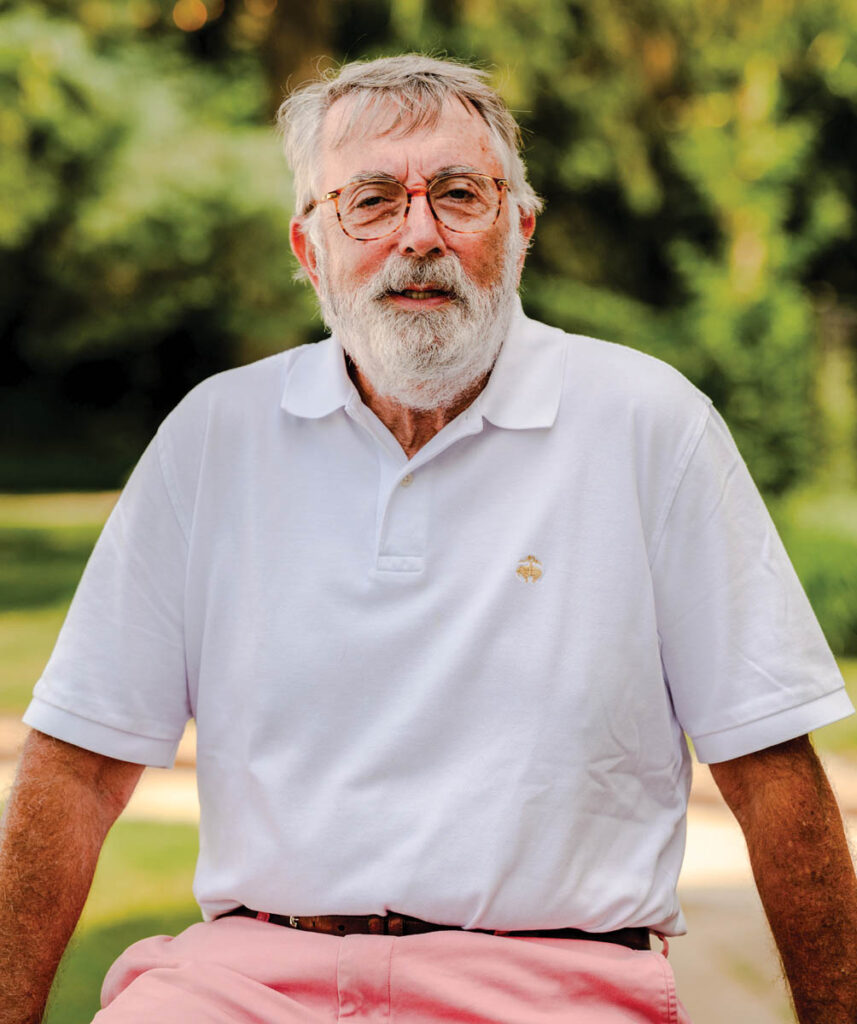
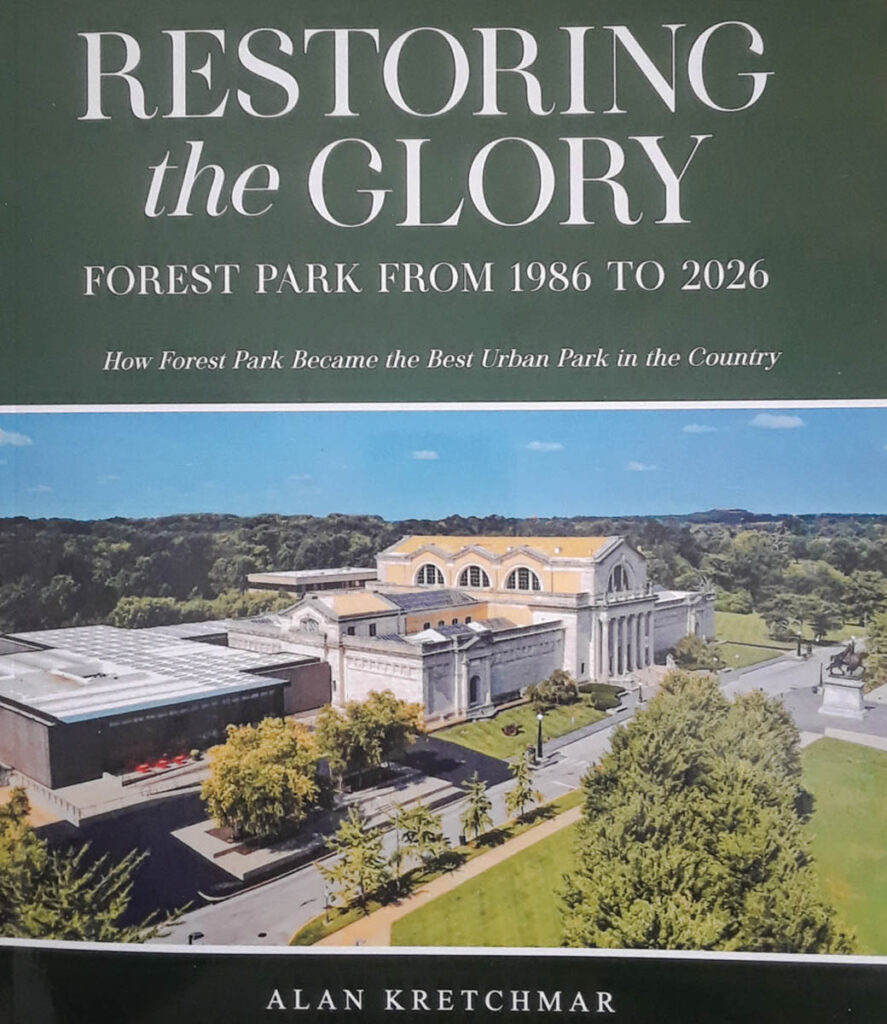
Located in the heart of St. Louis, Forest Park encompasses about 1,300 acres, making it one of the largest urban parks in the United States—over 1.5 times the size of Central Park in NYC. As it’s near and dear to us all, it’s especially loved by Alan Kretchmar, an ophthalmologist who practiced here for 35 years and retired in 2011. It’s also where he’s volunteered for the past 14 years, at the visitors center, and served as a tour guide. But it’s also where he used to lessen his pre-op stress: Kretchmar would walk through the park on his way to perform eye surgery at Deaconess Hospital, now defunct, where the OR windows faced the jewel of the Lou. But our jewel had become quite tarnished by the mid-1980s. It was in terrible condition, deteriorating from lack of upkeep because the city could not afford the routine maintenance, let alone the cost of capital improvements. Forest Park (1986), a fine volume about the Park’s first 100 years, ends on a sour note, as authors Caroline Laughin and Catherine Anderson warn about the possibility of a bleak future. “After discussing the original book with many visitors, I realized that a sequel was needed,” Kretchmar recalls. “But I didn’t think I was the one to write it.” Write it he has, however. Restoring the Glory: Forest Park from 1986 to 2026, explains how our favorite park was transformed to become the Best Urban Park in the Nation (according to USA Today), metamorphosing from a dilapidated, rundown space to the pristine expanse of today, loved by locals and visitors alike. The book focuses on a number of major changes that shaped the park today, like the creation of the Forest Park Master Plan. It details how a nonprofit, Forest Park Forever, was formed by concerned admirers, paving the way to financially restore it and cooperate with the city’s Department of Parks, Recreation and Forestry. Major improvements to park institutions have since been made, including the debuts of the St. Louis Science Center and the Living World at the Zoo, the construction of the East Building expanding our Art Museum, and an addition to the Missouri History Museum, the Emerson Center. It chronicles development of the Nature Reserves and the Taylor-Kindle river system to recreate the River Des Peres. It details propositions and referendums that posed competing visions for the park’s future. Henry S. Stolar, alderman for the Central West End (1969-73) was husband of the late Mary Goldstein Stolar, who assumed the position from 1973-81 and founded Forest Park Forever. He hailed the book as, “…absolutely spectacular. What a brilliant work of scholarship, organization, readability, and knowledge.” But Restoring the Glory also spotlights individuals who did their part to create the park we love: Relish vignettes of a man who took it on himself to introduce antique lighting; a woman who singlehandedly cared for a small lake on Lindell Boulevard for more than 15 years and a city worker who left her inheritance to restore statues throughout Forest Park. “I didn’t set out to write a book,” Kretchmar says. “It found me!” Forest Park celebrates its sesquicentennial in June. Meanwhile, you can find Kretchmar’s excellent book at the History Museum, Campbell House and several fine bookstores, including Subterranean Books, Leviathan Books and the Novel Neighbor. He has the demeanor of a very engaging tour guide, and would love to hear from T&S readers who want to know more about the book, the park and upcoming promotional appearances. You can reach him at kretchmar5@aol.com.