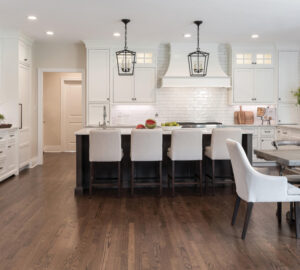


From creating a dream kitchen or adding a spa-like bathroom, a renovation can be an exciting prospect. However, it can also be a daunting one. Even working with the best designer, there’s a lot of moving pieces when it comes to tearing out and rebuilding a space. T&S spoke to designer Anne Marie Boedges, president of Anne Marie Design Studio, to learn her top tips for every homeowner to make sure they’re prepared before the walls come down.
1. Prepare a makeshift space you will need.
When gutting a kitchen, you won’t have your cooktop, oven, microwave or sink. Before this happens, create a space that can function as an alternative. If you have a laundry room, consider setting up a cooking station there. You can use the sink and add a table with a microwave, coffee pot, crockpot, electric skillet or other small appliances. Make sure your grill is ready to use. Figure out where you’re going to store your pantry items, and find a place to move your refrigerator while construction is happening.
Similarly, plan ahead if you’re starting a bathroom remodel. What will you use instead? How many people will be sharing the space? If you are going to have three people use a bathroom that is usually used by one, it’s going to take an adjustment. You’re going to have to figure out space for the extra toiletries, towels and other items.
2. Keep your air as clean as possible.
Construction is going to put a lot of dust in the air. We suggest that homeowners purchase cheap air filters for their furnace, so they can replace them often. Normally, you change them every quarter, but at the start of the project, you’ll be replacing them every few days because that’s when the biggest mess will happen. As the remodel continues, you can do it less frequently. We also recommend putting an air filter across the return air vent. This means clean air will be going to your furnace, even if demo or drywalling is happening. All that fine dust can have an impact.
3. Make considerations for your pets.
Most of the homeowners we work with have some sort of pet, and often they let them roam the house while they’re at work. That won’t be possible while the remodel is going on. We need animals out of construction space. Your pet also likely will experience distress due to the process. There are going to be lots of people in their house, lots of loud noises and lots of busyness that they just aren’t used to. The less disrupted they feel, the better. Figure out a space for them with a bed, toys and their food and water. You may also want to consider playing music or turning on the TV to distract from the noise.
4. Consider your clothes.
Think ahead about spaces you won’t be able to access because of the renovation. Two common ones are laundry rooms connected to kitchens and closets inside of bathrooms. Construction might disrupt your laundry access. Figure out if there is an alternative way to reach the space or prepare your clothes ahead of time. For closets, you may have to remove your clothes entirely. Pack them in advance of a project’s start. Using trash bags can be an easy way to protect clothing from dust. Since these spaces are adjacent to your remodel, you may want to consider including updating them at this time as well.
5. Plan your work, and work your plan.
Don’t make changes on the fly. Your renovation shouldn’t start until you and your designer have finalized the plan. Figure out your budget and timeline as well. Making any changes midway through it is going to cost more money, take more time and cause problems with coordinating different professionals. We project manage everything—when we know which team is coming in first, second, third and fourth. Don’t panic midway through the project. As they say, no one likes to see the sausage getting made. Looking at a half finished space is going to throw you off. Trust the process, trust the plan and trust your designer.