

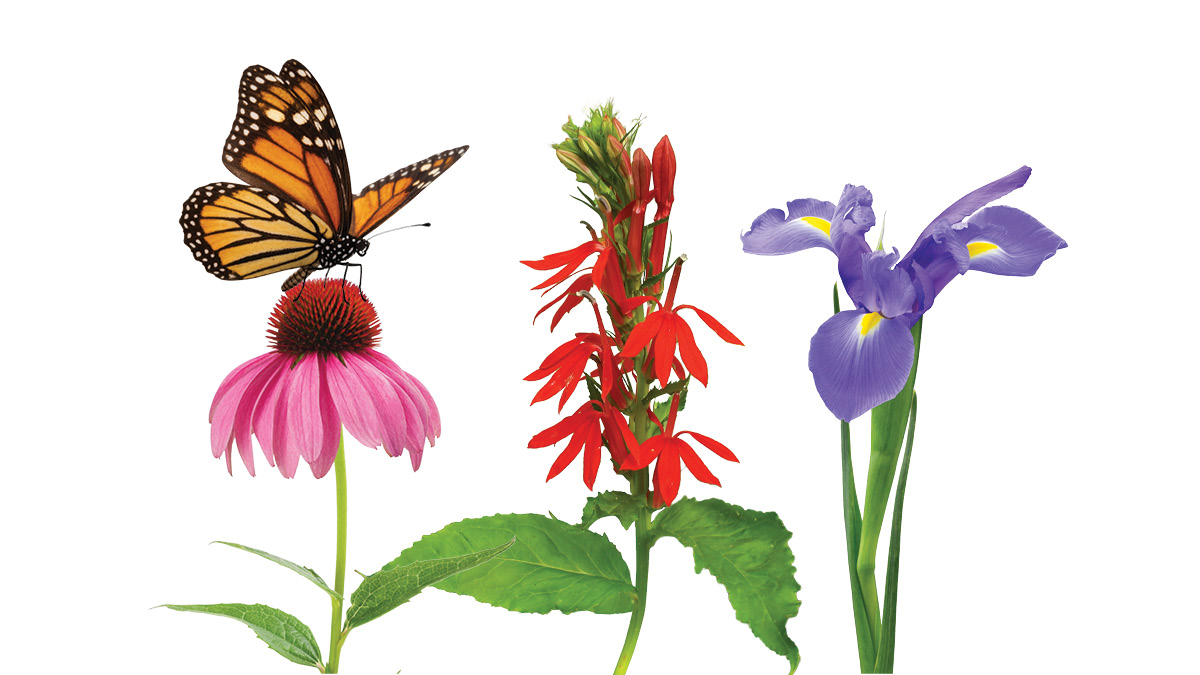
Be a friend to the bees, butterflies, moths and hummingbirds. A pollinator garden is a great way to create a beautiful, colorful outdoor space that also is eco-friendly.
pick the right location
Flowering plants can grow in both shady and sunny locations, but butterflies, bees and other pollinators love to bask in the sun. You’ll want to pick a spot that has full or partial sun. You’ll also want to consider the type of soil, such as sandy and dry versus clay-like and wet. Both sun and soil will determine the types of plants you can grow.
choose your plants
Missouri is home to more than 2,000 native plants. Not only are they adapted to St. Louis’ climate and soil, they feed and shelter wildlife that would not be able to survive without them. Here are just a few that are sure to attract and support pollinators.
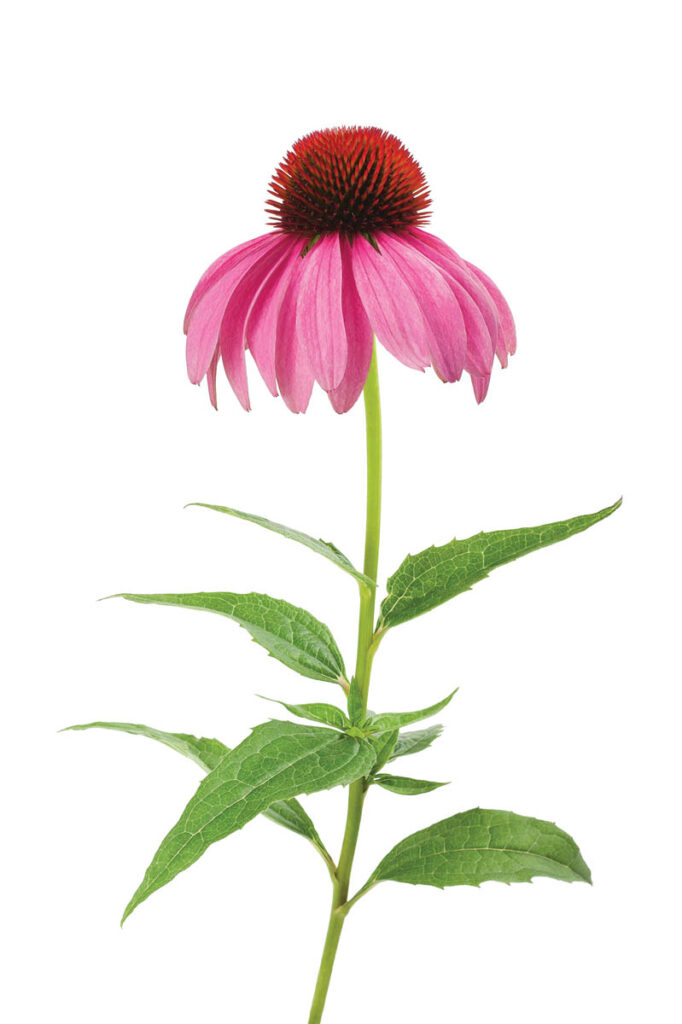
• Purple Coneflower: These large blossoms, which grow in woodlands throughout Missouri, are a great source of nectar for butterflies. They grow well in light shade but can handle full sun. Expect flowers in May through October.
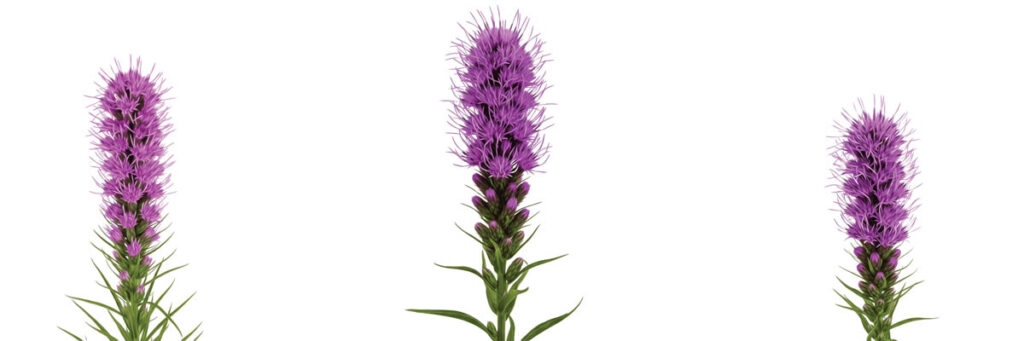
• Prairie Blazing Star: As this name implies, this plant grows on prairies or rocky ground. A favorite of pollinators like bumblebees, it grows best in average to moist soil and flowers from July to October.
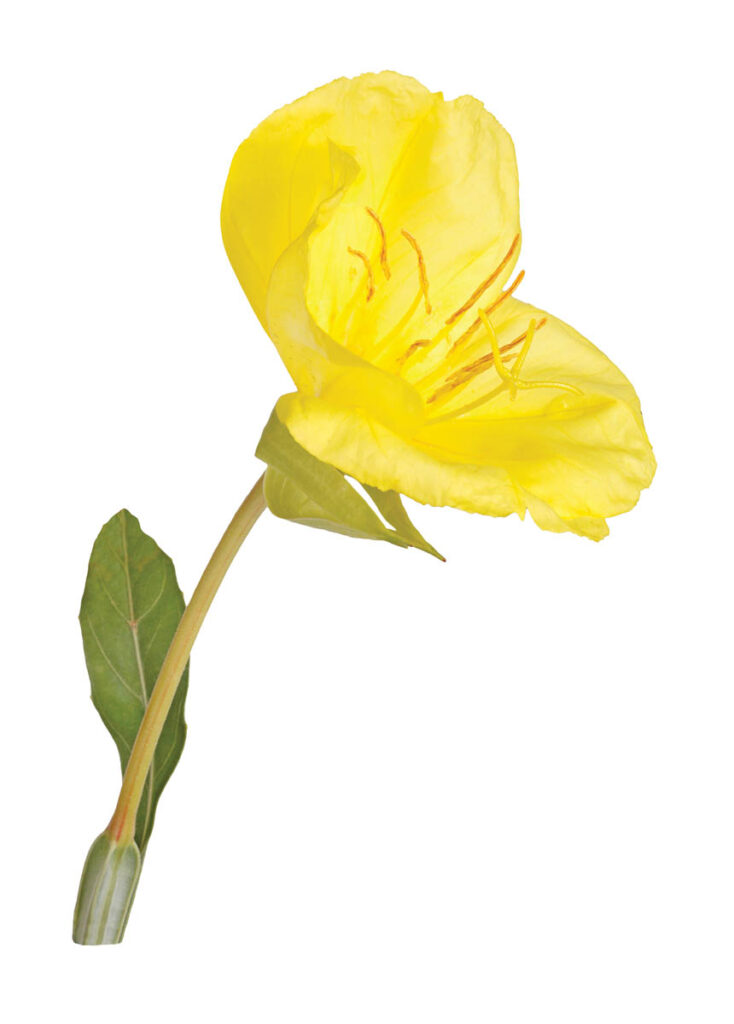
• Missouri Primrose: Also known as a glade lily, this plant grows naturally in glades, bluffs and rocky prairies. It flowers in May through August, and thanks to the blossoms opening in late afternoon, it’s loved by moths for night pollination.
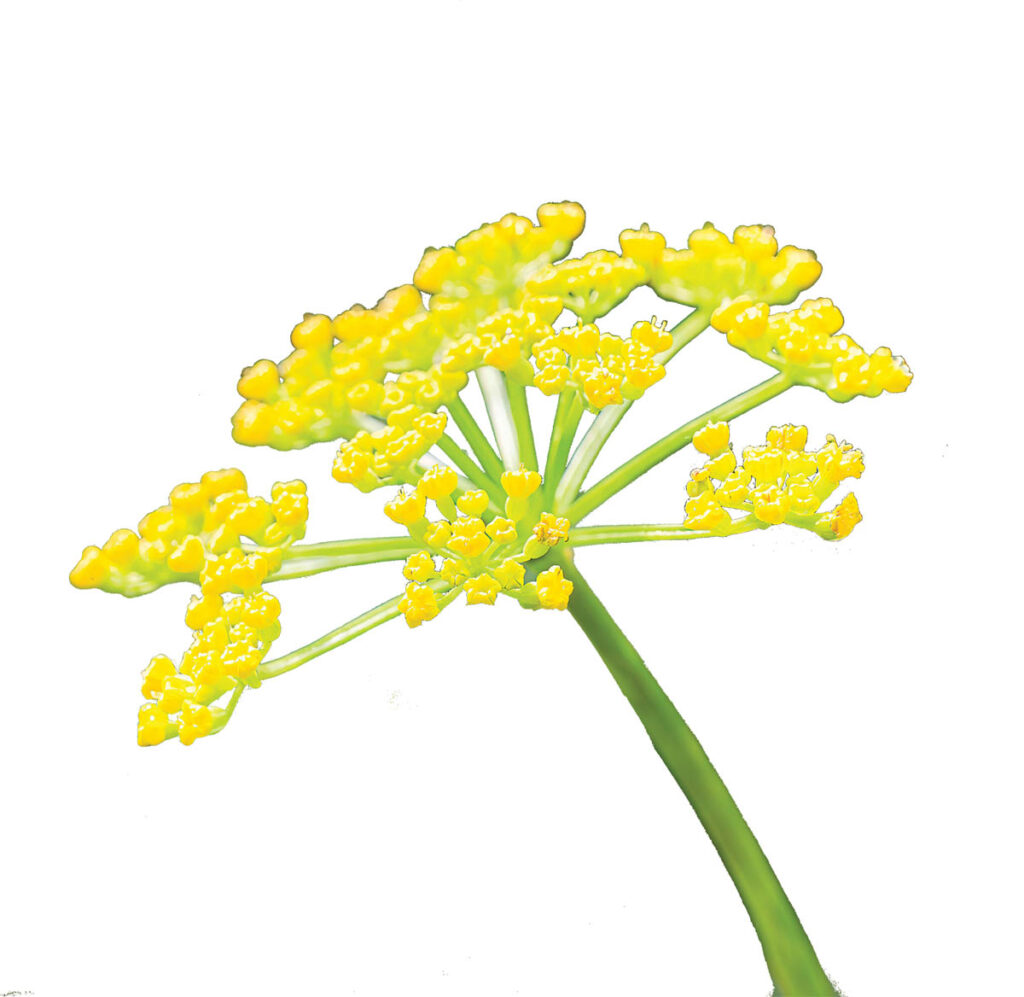
• Golden Alexanders: A member of the carrot family, this plant is host for black swallowtail butterflies. The long-lasting flowers bloom from April to June before becoming seed clusters. Unlike other native plants, it has glossy semi-evergreen foliage.
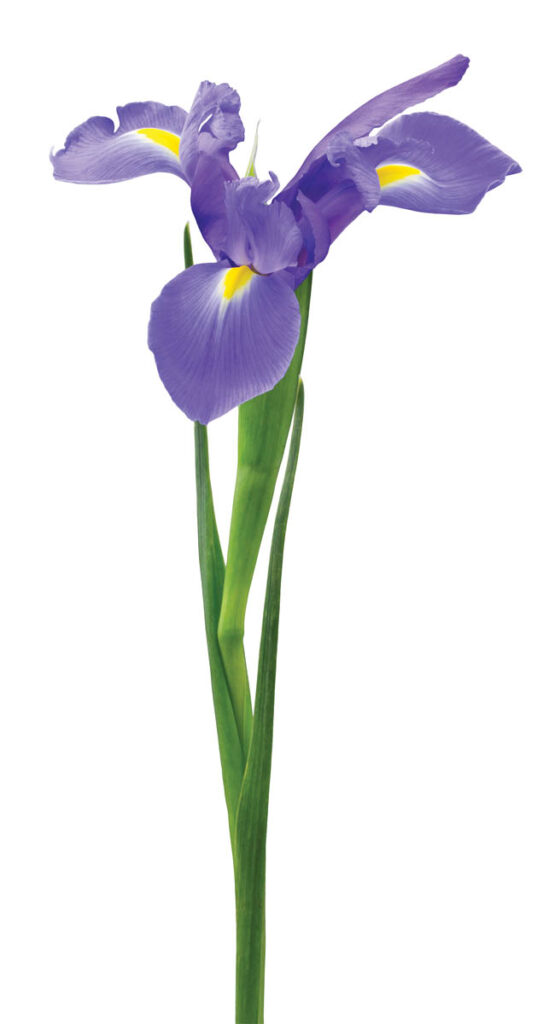
• Crested Iris: These small irises bloom in April and May and attract hummingbirds. They grow well in partially shaded areas and prefer well drained soil.
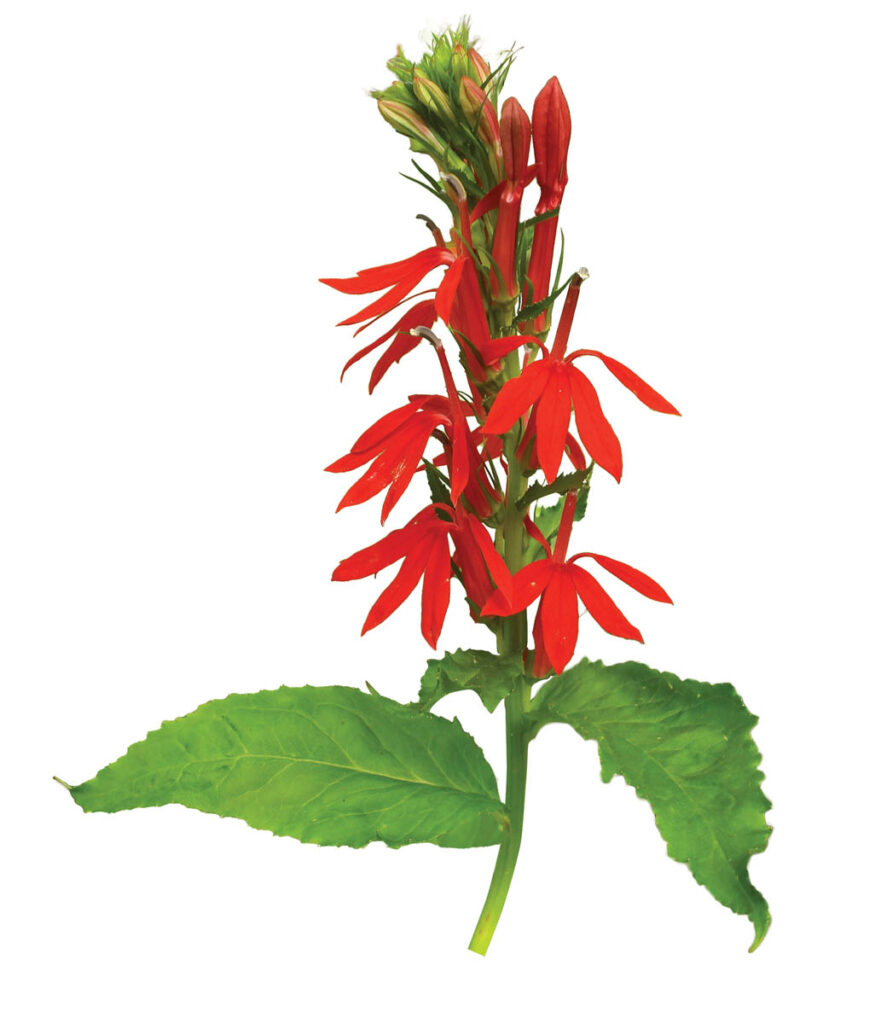
• Cardinal Flower: What better flower for the StL during baseball season? The cardinal flower grows throughout wet sites in the state, flowering July through October. It requires moderate shade but will tolerate sun if planted in rich soil. Don’t forget to water during dry periods.
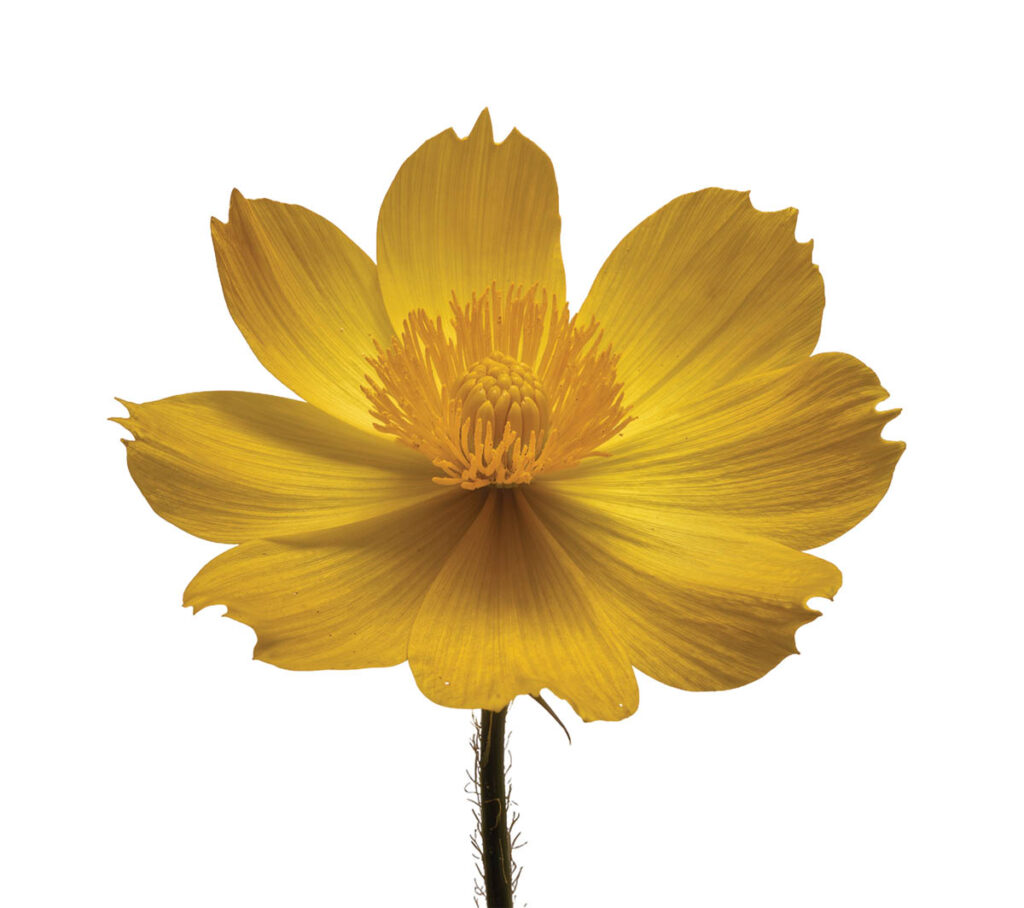
• Celandine Poppy: You find these flowers in March through May on the wooded slopes of central and southwest Missouri. Celandine poppies grow well in gardens if they have humus-rich soil.
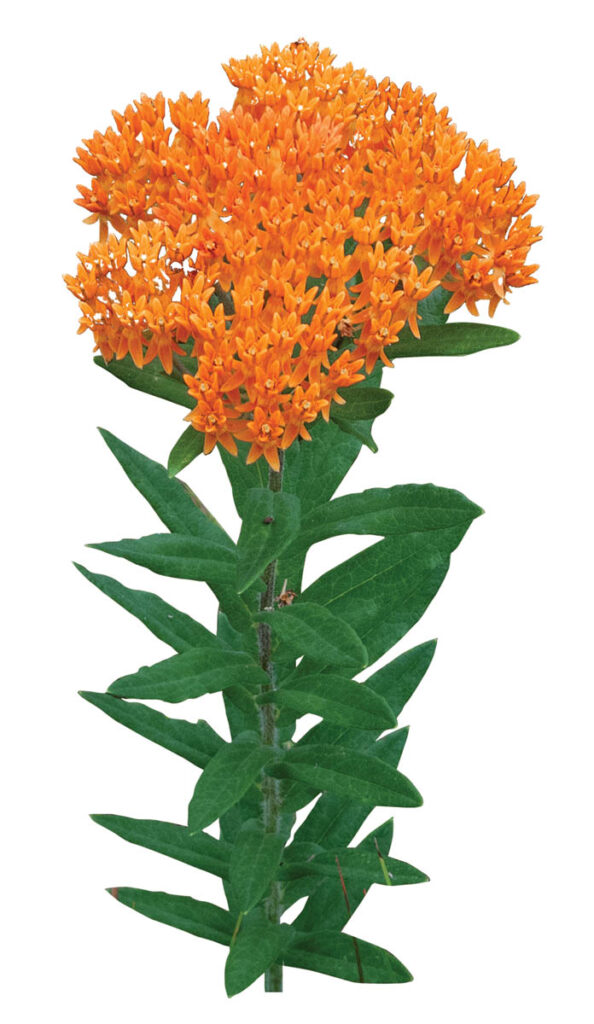
• Butterfly Milkweed: A great source of nectar for many butterflies, this vibrant wildflower also serves as a food source for Monarch butterfly caterpillars. Growing naturally in open, rocky areas, it flowers from May to September and thrives in well drained soil.
plants vs. seeds
Once you’ve picked your varieties, the next decision is whether to start with seeds or plants. Seeds are often the more economical option, but they take more time. Plan on dispersing them in fall or winter ahead of your growing season so they have time to germinate. If you want to get started now, small plants are the best way to go. They can bring pollinators to your yard during the same growing season.
lawn vs. container
If you’re converting a piece of your lawn into a pollinator garden, you’ll need to do some prep. Remove any grass or current plant cover, and then turn the soil to loosen it up. Containers also are a great option for adding pollinator-friendly plants to your outdoor space—especially if you live in an apartment or condo. For a happy medium, consider creating a plant bed. It can add lushness to your yard while still keeping your garden separate from your lawn. Whatever you choose, make sure to add nutrient-rich compost or soil to ensure your garden can thrive.
Sources: Missouri Department of Conservation, U.S. Fish and Wildlife Services