

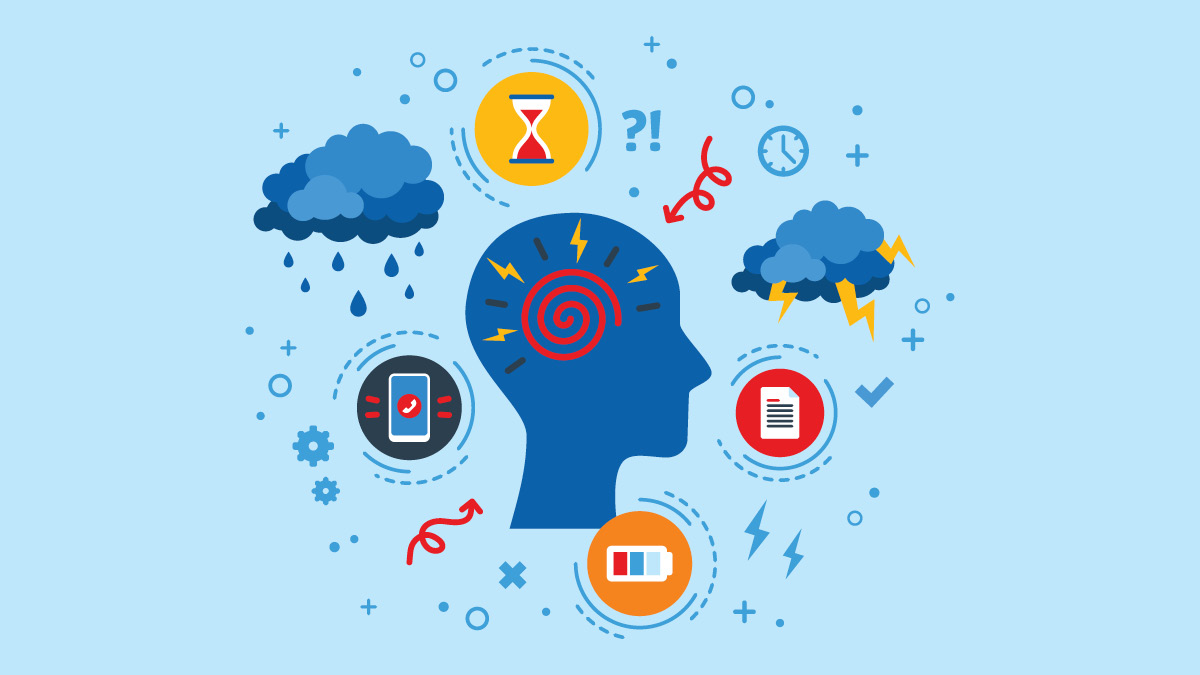
April is National Stress Awareness Month. While it may be impossible to completely avoid all the stressors of daily life, research shows that long-term or chronic stress can impact the body in devastating ways. While it may seem like an uphill battle trying to make space in your schedule for relaxation, recentering and stress management, there are some relatively simple ways they can be accomplished.
A small amount of stress can be beneficial, as it can motivate you to perform tasks and duties well. But when stress levels start to mount, your brain kicks into ‘fight or flight’ mode, signaling your body to release hormones that boost heart rate and blood pressure. Your muscles tighten, and your adrenal glands release stress hormones like cortisol and adrenaline.
These responses are intended to help your body deal with increased threats to its safety. But when work and family stressors come at you non-stop, your mind and body are never able to reset to a normal, relaxed state. Long-term stress may lead to problems like insomnia, headaches, heartburn, back pain, indigestion and heart palpitations. It also can contribute to behavioral issues like forgetfulness, poor concentration, indecisiveness, overeating and smoking.
The American Institute of Stress divides the body’s negative reaction to stress into three phases:
- Alarm Reaction: The initial shock caused by a stressor
- Resistance: Efforts to cope with or adapt to a stressor
- Exhaustion: Feeling overwhelmed or burnt out due to prolonged stress
Perhaps the most recognizable impact of stress is the one it has on our mental health. The psychological effects can manifest in many ways, such as aggression, exhaustion and sadness. If left unchecked, stress can lead to larger problems, including:
- Anxiety
- Restlessness
- Lack of focus
- Feeling overwhelmed
- Irritability
- Depression
Our fight-or-flight response also has a physical impact. Long-term stress affects all systems of the body, including musculoskeletal, respiratory, cardiovascular, endocrine, gastrointestinal, nervous and reproductive. Common side effects include:
- Muscle pain
- Change in sex drive
- Headache
- Chest pain
- Fatigue
- Stomach issues
- Trouble sleeping
tips for managing stress
- Simple stress avoidance techniques can help your mind and body adapt to the demands of everyday life. First, identify situations that make you feel irritable or upset, like waiting in long lines, sitting in traffic or being late for meetings. Then, work on ways of getting around them, like going to the store at off-peak hours, setting smartphone reminders or waking up a few minutes earlier.
- Defuse your stress in the moment. When faced with a stressful situation, take steps to calm yourself down. Try counting to 10, listening to chill music, taking three deep breaths using belly breathing or walking away from the situation for a while.
- Relaxation methods can lower blood pressure, stress hormone levels and breathing and heart rates. Meditation and breathing exercises are good examples, and they can be done almost anywhere, like your car or a quiet corner of the office break room. Yoga also can be beneficial.
- Exercise offers many benefits for combating the pressures of daily life. Being active reduces the body’s stress hormones and increases the production of endorphins, which act as natural mood elevators and painkillers. Studies also have shown that physical activity may reduce the stressful effects of anxiety and depression. Any type of exercise can help, from walking around the block at lunchtime to taking a vigorous fitness class.
- Eat better. When we’re stressed, we may crave junk food or other comfort dishes. This can actually heighten the negative side effects of stress because our bodies are working overtime, so we need more nutritious food to meet the demand. Avoid stress eating and try to maintain a healthy diet of regular meals.
- Take time for activities you enjoy. Even if it’s only for 10 or 15 minutes, doing something simple that makes you feel good can help relieve stress. Play with your kids or pets, catch up with a friend, stretch and move, garden or read a book.
- Positive goal setting can help mitigate the effects of stress. It’s easier to feel good about daily activities when you can check small and large accomplishments off of a list each day. Stress-busting goals can be set in any area of your life, including work, home, relationships, health and relaxation time.
- Seeing a cognitive behavioral therapist or other professional counselor can help you correct unhealthy psychological and emotional habits that contribute to stress.
stress stats
- According to the American Psychological Association, 69% of American adults report they could have used more support in 2025.
- Loneliness is a major source of stress in the U.S., with 54% of adults saying they experience social isolation.
- Around 69% of adults indicate that work is a significant source of personal stress.
- Other major sources reported by the American Psychological Association include:
- Future of the nation (76%)
- Economy (75%)
- Spread of misinformation (69%)
- Social division (62%)
- Rise of A.I. (57%)
- Relationships (48%)
- Rise of A.I. (57%)
- Social division (62%)
- Spread of misinformation (69%)
- Economy (75%)
- Future of the nation (76%)
- Other major sources reported by the American Psychological Association include:
Sources: Mayo Clinic, Harvard Medical School, American Institute of Stress, American Psychological Association